

Environmental DNA provides a wealth of information for conservationists, archaeologists and forensic scientists. But the unintentional pickup of human genetic information raises ethical questions.
Articles on Societal impacts
Displaying 21 - 30 of 30 articles

Despite the association of ‘Luddite’ with a naïve rejection of technology, the term and its origins are far richer and more complex than you might think.
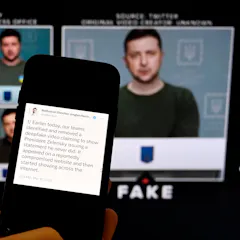
Powerful new AI systems could amplify fraud and misinformation, leading to widespread calls for government regulation. But doing so is easier said than done and could have unintended consequences.

Two experts in policy and technology who were also co-authors of an international climate assessment see reasons for optimism.
Our tendency to view machines as people and become attached to them points to real risks of psychological entanglement with AI technology.
Following the controversial births of the first gene-edited babies, a major focus of the Third International Summit on Human Genome Editing was responsible use of CRISPR.
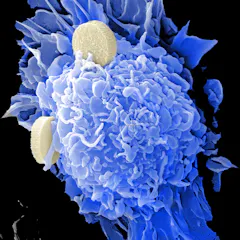
The proteins that cover nanoparticles are essential to understanding how they work in the body. Across 17 proteomics facilities in the US, less than 2% of the identified proteins were identical.

From warfare to entertainment and VR, brain-computer interface development has extended beyond prosthetics for patients with disabilities. Missing is full ethical consideration of the consequences.

From planting mangroves to dumping minerals in the ocean, there are lots of ideas for ocean carbon dioxide removal – and even more questions.
Thousands of ancient genomes have been sequenced to date. A Nobel Prize highlights tremendous opportunities for aDNA, as well as challenges related to rapid growth, equity and misinformation.
Top contributors
-

Professor of Advanced Technology Transitions, Arizona State University
-
Professor of Biodiversity, Earth and Environmental Science and Biology, Drexel University
-
Guest investigator, Woods Hole Oceanographic Institution
-
Postdoctoral associate, University of Florida
-
Associate Professor of Neuroethics, Penn State
-
Dean of the College of Science, Professor of Biochemistry, Rochester Institute of Technology
-
Professor of Animal Science, Adjunct Professor of Obstetrics, Gynecology and Reproductive Biology, Michigan State University
-
Assistant Professor of Sociology, University of Pittsburgh
-
Professor of World Arts and Cultures/Dance, University of California, Los Angeles
-
Professor of Bioinformatics, Rochester Institute of Technology
-
Associate Professor of Sociology, Princeton University
-
Professor of Policy Analysis, RAND School of Public Policy
-
Senior Astrophysicist, Smithsonian Institution
-
Associate Professor of Anthropology, Bowdoin College
-
Professor of Biomedical Ethics, University of Virginia