
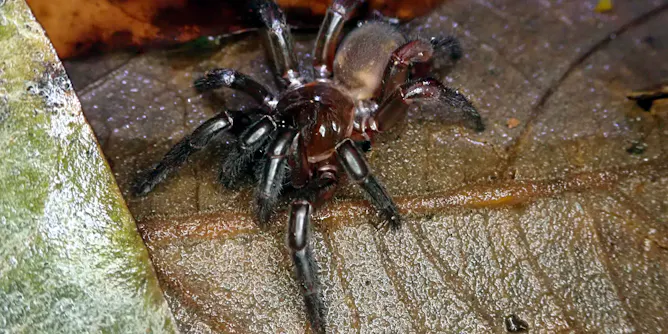
Trapdoor spiders that build unique burrows are found only in small areas of Queensland. But they don’t travel very far from their location, and that could put them at risk.
Articles on Species
Displaying 61 - 80 of 114 articles
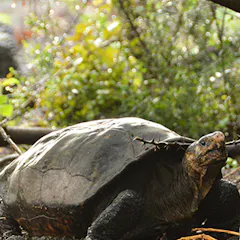
From the reappearance of giant bees to sightings of clouded leopards – can we ever be certain that a species has died out?
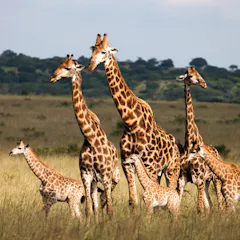
It can actually be very tricky to define a species, but in the 1900s, scientists found a pretty good way.
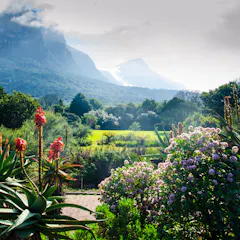
The colonial history of botanical gardens encouraged pride in indigenous flora and culture.
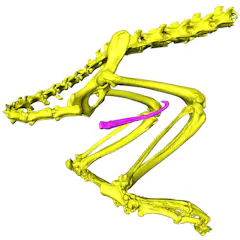
Our study used innovative 3D scanning and engineering-inspired computer simulations to understand the evolution of the penis bone in some mammals.
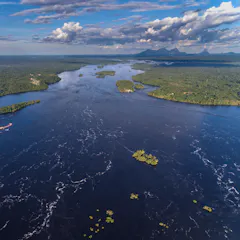
Rivers are natural boundaries for evolving populations. But scientists don’t agree whether they create new species or just help maintain them. Research using birds’ molecular clocks provides some answers.
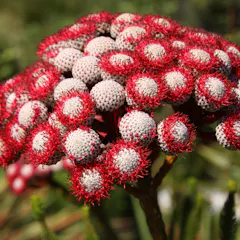
There is good news for plant conservation in South Africa and internationally.
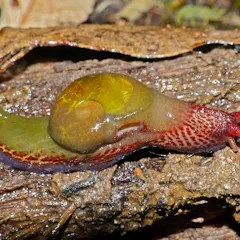
Scientists have been naming species after well-known people since the 18th century, often in a bid for publicity. But the issue deserves attention – 400,000 Australian species are yet to be described.
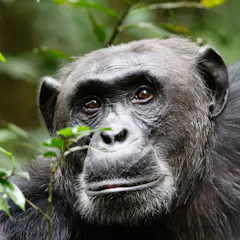
The short answer is no. An individual of one species cannot, during its lifetime, turn into another species. But your question helps us think about life, evolution and what it means to be human.
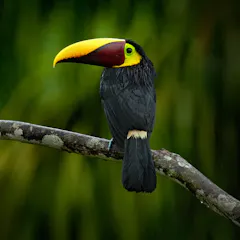
It is a delicate – and dangerous – moment for one of the world’s most ecologically important nations.
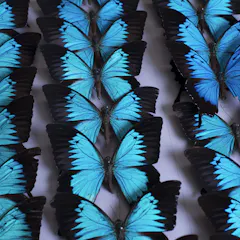
Australian taxonomy resources number around 70 million specimens, valued at over AU$5 billion. That’s big science.
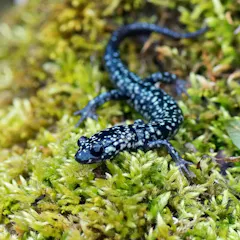
The fascination and admiration of the natural environment may draw people closer to it, but it’s crucial to remain responsible about any desire to own a piece.
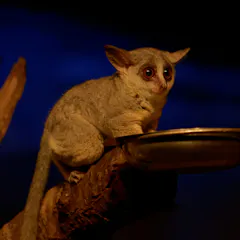
Newly recognised genetic populations carry their evolutionary history with them, and the history of their habits. This is why detecting new species is so important.
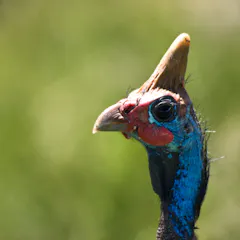
It’s difficult to sort out the conservation ‘wheat’ from the ‘chaff’ when too many subspecies are defined.
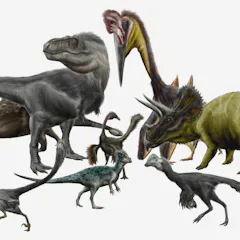
There might have been as many as 160,000 types of dinosaur, give or take.
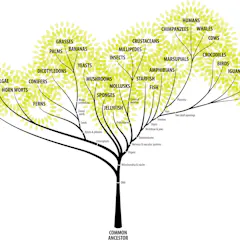
Charles Darwin was one of the first to show connections in the variety of life by using a rough evolutionary tree. Things have developed quite a bit since then.
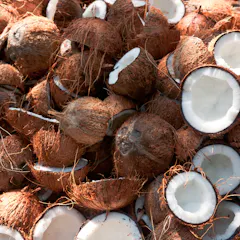
Coconut water may be the ‘it’ drink, but its producers face multiple threats.
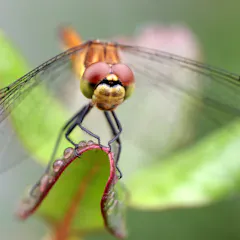
Study shows the footprint of climate change is already vast and that species are trying to adapt to rising temperatures.
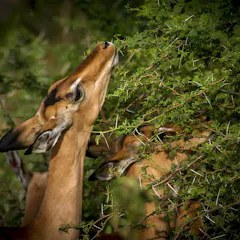
Fire has been viewed as the main protagonist in creating Africa’s iconic savannas. However, new research shows that browsing animals created savannas millions of years before fire became important.

Humans have an innate interest and ability in naming biologically meaningful entities, or species. Taxonomy, then, vies for the title of world’s “oldest profession”.
Top contributors
-

Professor of Conservation and Sustainable Livelihoods, Charles Darwin University
-
Adjunct Assoc. Professor, The University of Western Australia
-
Director of the Australian National Insect Collection, CSIRO
-
Director, Environment Institute, Adelaide University
-
Jenny Graves is a Friend of The Conversation.
Distinguished Professor of Genetics and Vice Chancellor's Fellow, La Trobe University
-
Emeritus Professor, University of Cape Town
-
Professor in Conservation Science, School of the Environment, The University of Queensland
-
Researcher of Ecology and Zoology, Universidad Nacional Autónoma de México (UNAM)
-
Department of Genetics, Universidade Federal do Rio Grande do Sul (UFRGS)
-
Senior Lecturer in Evolutionary Biology, Cardiff University
-
Adjunct Senior Research Fellow, The University of Western Australia
-
Professor of Zoology at the University of Fort Hare, University of Fort Hare
-
Senior Lecturer in Zoology, University of Hull
-
Professor, Biological Sciences Department, University of Cape Town
-
Professor, University of the Witwatersrand