

Moving can change the conditions that shape health, so health and social policy must plan for a mobile population.
Articles on Urbanisation
Displaying 1 - 20 of 168 articles
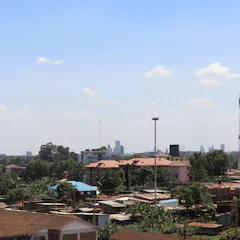
Urbanisation is experienced through growing tensions within families over precious yet meagre plots of land.
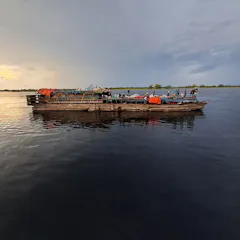
Baleinières, handmade wooden cargo ships, are floating microcosms of life in the DR Congo.
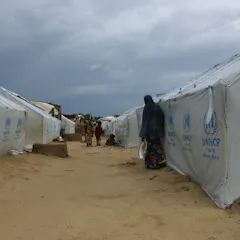
The issue of internal displacement remains poorly understood despite the very large number of people involved.
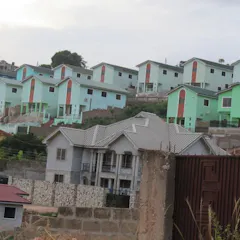
New census-based research shows Ghana’s policy must confront the quality of the homes people already occupy.
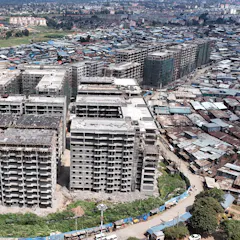
The success of Kibera’s transformation will not be measured by the number of apartment blocks completed.
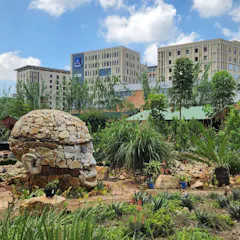
Parks do more than cool cities. They also help people work together to cope with climate change, but only if local communities help design, manage and care for them.

Young people in Bo City, Sierra Leone became youth climate leaders after turning a low-cost Climate Science Hub into a space for science-informed action.
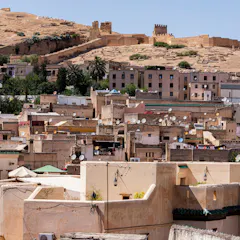
City transformation is increasingly being shaped by a complex interaction between the past and the future.
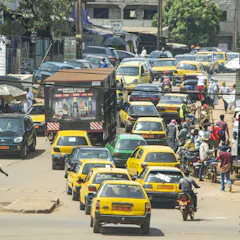
Every city is different but they can learn from each other.
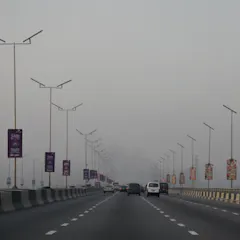
Providing street lighting will need a new approach to infrastructure development.

Working within existing informal regulations in Kenya’s sand industry would help boost livelihoods and inclusion.

In South Africa’s Makanaskop, the kraal is a sacred space for rituals but small plots with outside toilets undermine this cultural use.
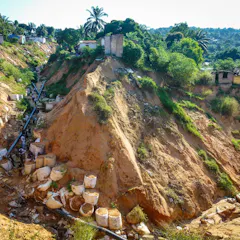
Urban planning can prevent gullies from forming, saving costly repairs and avoiding displacement of people.
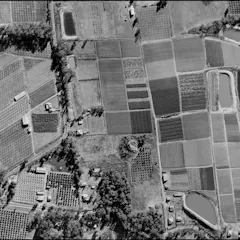
Vineyards, dairies, market gardens, orchards and oyster leases once dotted Sydney. Much – but not all – has been lost to developers.
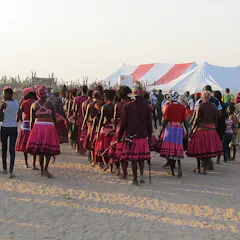
There is no single way of becoming an adult in the world.
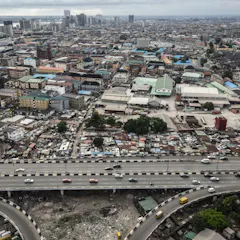
African cities need institutions that can adapt, transparent decision making, and collaboration with civil society and the private sector.
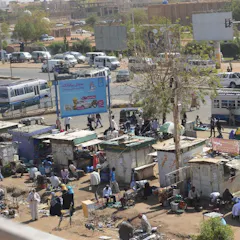
It’s time to rethink how Africa’s public spaces are defined and designed – by listening to how people already make cities public.

The question is not whether a city is fixed – it can never finally be – but rather what trajectory it is on.
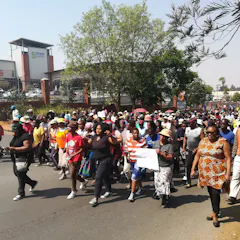
A new book documents how young people in an informal settlement on the outskirts of Johannesburg use social ties to find ways of making a living.
Top contributors
-

Research associate at African Centre for Cities, University of Cape Town
-
Professor School of Architecture and Planning, University of the Witwatersrand
-
Associate Professor at the Southern Centre for Inequality Studies, University of the Witwatersrand
-
Teaching Assistant Professor, University of Pittsburg and Visiting Associate Professor, The University of Osaka, University of Pittsburgh
-
Research Active Lecturer, Discipline of Psychology, Charles Darwin University, Charles Darwin University
-
Research Associate, MRC Epidemiology Unit, University of Cambridge
-
Guest Lecturer, Climate Change Economics, University of Oxford & Director, Climate and Sustainability Programme, ODI Global
-
Distinguished Research Fellow, Human Sciences Research Council
-
Head of Urbanisation and Wellbeing, African Population and Health Research Center, African Population and Health Research Center
-
Medical Entomologist at the School of Biological Sciences, University of Nairobi
-
Research Scholar, Center for Sustainable Urban Development, Climate School, Columbia University
-
Associate professor, Uppsala University
-
Professor, University of the Witwatersrand
-
Professor of Development Planning, UCL
-
Assistant professor, University of San Francisco