
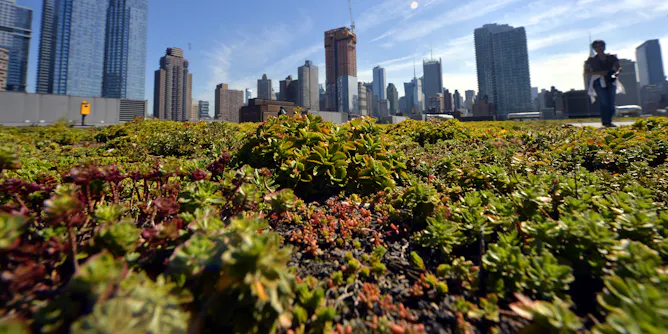
The success of green roofs depends on more than just good intentions and engineering – they need long-term love and care.
Articles on Vegetation
Displaying 1 - 20 of 28 articles
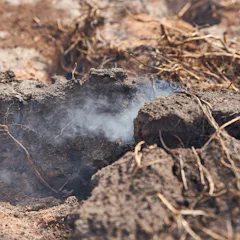
These ancient wetlands are wildlife hotspots and crucial carbon stores.
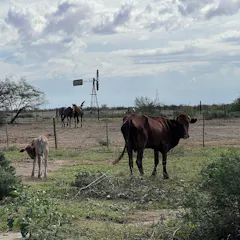
Mesquite tells a story about unintended consequences; but it also shows how careful, collaborative responses can lead to solutions for people and the environment.
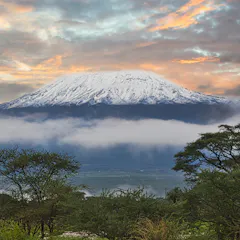
75% of Mount Kilimanjaro’s indigenous plants have been wiped out over the last century.
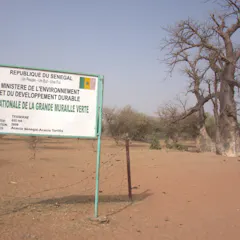
Africa’s Great Green Wall of 6,000km of trees was launched 18 years ago, promising to halt desertification. But in Senegal, it’s been very slow to progress.
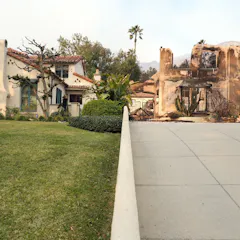
Hedges and trees may actually reduce home exposure to radiant heat and flying embers, but they must be well maintained. Two scientists who study how plants burn explain.
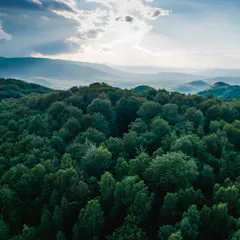
Climate modelling that best accounts for the processes that sustain plant life predicts plants could absorb up to 20% more CO₂ than the simplest version predicted.
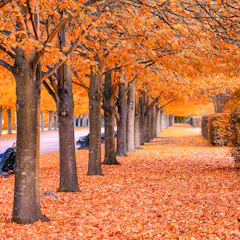
Autumn is arriving later in the year – climate change is probably to blame.
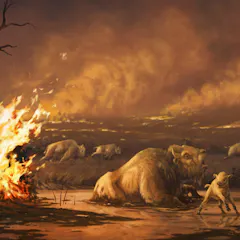
New findings from the La Brea Tar Pits in southern California suggest human-caused wildfires in the region, along with a warming climate, led to the loss of most of the area’s large mammals.

Human activities can affect plants and have consequences for the human populations that consume them.
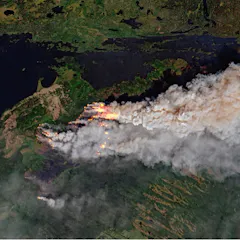
North America’s boreal forests have been burning a lot, probably more and more over the past 60 years. Yet the long-term trend indicates that they are burning less than they were 150 years ago.
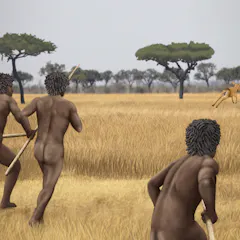
Africa’s large mammal heritage has formed a deep cultural legacy for all of humankind.
Wetlands can help limit the spread of the voracious round goby, an invasive species that has infiltrated the Great Lakes and has become widespread in the St. Lawrence River.
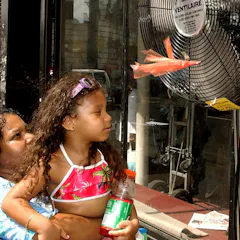
Extreme heat waves are putting lives in danger, with some of the hottest urban neighborhoods 10 degrees hotter or more than their wealthier neighbors. Often, these are communities of color.

Many plants are really good at withstanding bushfires, but the combination of drought, heatwaves and pest insects under climate change may push them to the brink.

New research shows how the Montreal Protocol protected vegetation, helping keep carbon out of the atmosphere.
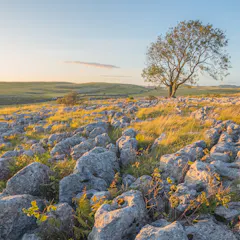
Scientists need to know how much we can rely on the land to offset our emissions.
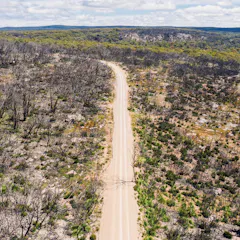
New research shows nature started its long road to recovery in 2020 – especially in NSW and Victoria. But overall conditions across large swathes of the country remain poor.

With a bit of sensible planning, you can retain plants close to your home without creating a huge bushfire risk.
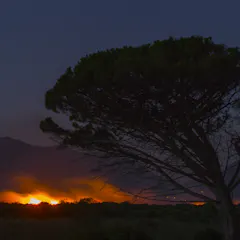
The danger of fires in the Cape region this season is partly dependent on how the Fynbos has been managed over the past few decades.
Top contributors
-

Postdoctoral fellow at the Institute of Future Cities, Chinese University of Hong Kong
-
Research Associate in Ecological Resilience, Climate Change Cluster (C3), University of Technology Sydney
-
Landscape Ecologist, The University of Queensland
-
Research Scientist, CSIRO
-
Post-doctoral Research Fellow, School of the Environment, The University of Queensland
-
Lecturer in Conservation, The University of Queensland
-
Senior Lecturer, Department of Architecture, Federal University of Technology, Akure
-
Senior Lecturer, Public Sector Management, School of Business, UNSW
-
Adjunct Research Scientist, Swedish University of Agricultural Sciences
-
Research Fellow, School of Biosciences, University of Sheffield
-
Professor, University of Technology Sydney
-
Senior Research Assistant in the Centre for Biodiversity and Conservation Science, The University of Queensland
-
Research Chair, African Climate and Development Initiative, University of Cape Town
-
Doctorant en sciences de l'environnement, Université du Québec en Abitibi-Témiscamingue (UQAT)
-
Adjunct Professor, The University of Western Australia