

Biogas is often overlooked as a source of renewable energy, but it could be a solution to dealing with the 9.5 million tonnes of food waste created by the UK every year.
Articles on Waste
Displaying 101 - 120 of 294 articles
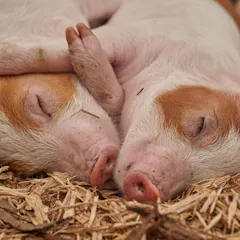
Converting food waste to animal feed – or reducing it altogether by supermarkets working with farmers – could save millions of tonnes of food from being discarded. It could also help raise animal welfare standards.
Financial accounts don’t currently factor in environmental problems.
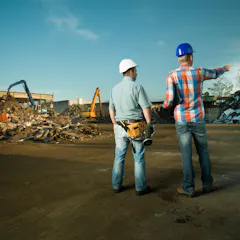
Construction and demolition creates more waste than any other sector, but much of it can be recycled. However, public resistance to setting up new plants stands in the way of a sustainable market.
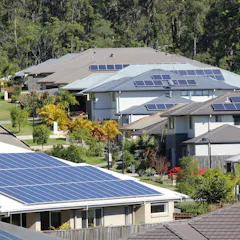
New research found lots of incentives to chuck out working solar panels and replace them with new ones. This may be creating huge amounts of unnecessary waste.
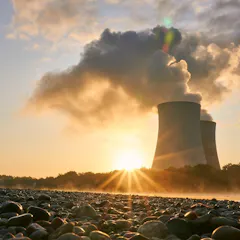
Why do nuclear plants produce radioactive water – and what happens when that water gets into the ocean?
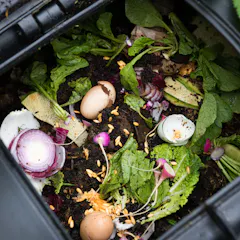
With more people composting due to environmental concerns or council programs, they need to know how to do it right.

Plastic products that claim to be ‘compostable’ aren’t great either.

Hospitals have a lot of room to reduce, reuse and recycle supplies – as many were forced to discover during the pandemic.
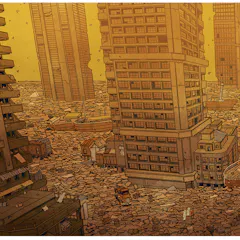
A study published in the journal Nature reveals that global mass of goods produced by humankind now exceeds that of all life on earth. This is a stark warning on our growing domination of the planet.
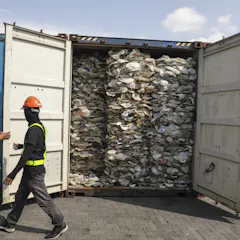
UK still ships huge amounts of plastic waste to places like Vietnam, Malaysia and Pakistan.
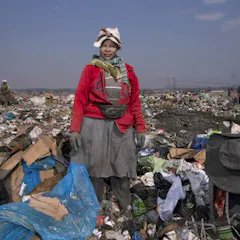
From oil disasters in Mauritius to street artists in South Africa, the story of rubbish in the media helps shape popular culture and environmental change.
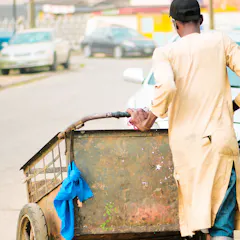
Lagos state must include the informal sector in its waste economy for inclusive development to happen.
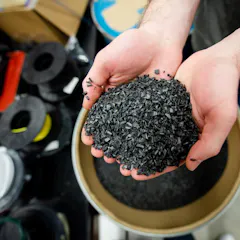
Consumers can turn plastic waste into valuable products at minimal cost using the open source technologies associated with DRAM – distributed recycling and additive manufacturing.
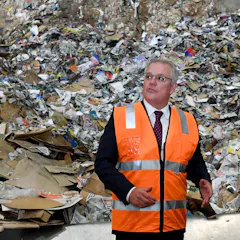
It’s great to see the federal government finally providing clear policy direction for the waste industry. But it’s far from enough to temper the waste crisis.
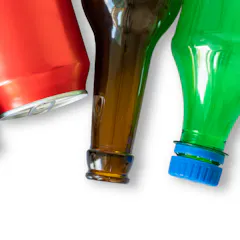
Here’s how to quench your thirst in an environmentally responsible way.
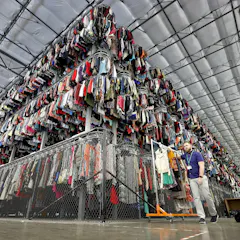
Fast fashion is far from green. But the rapid expansion of online clothing resale platforms could help shrink the garment industry’s negative impact on the environment.

A building designed to be easily taken apart so the components can be reused is a model for much less wasteful construction. It reduces resource use and environmental impacts, and can be cheaper too.
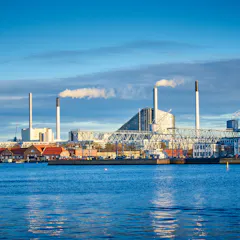
Waste-to-energy incinerators could help Australia deal with its mounting waste crisis, but burning rubbish may come with risks to public health.
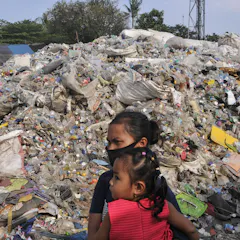
To ban or not to ban plastic bag use
Top contributors
-

Professor of Applied Environmental Science, University of Southampton
-
Senior Research Fellow, BehaviourWorks Australia, Monash University
-
Research associate, Loughborough University
-
Professor of Global Environmental Politics, University of California, Berkeley
-
Lecturer, School of Life and Environmental Sciences, Deakin University
-
Professor and Director Centre for Agricultural Engineering, University of Southern Queensland
-
Associate Professor at School of Property, Construction and Project Management, RMIT University
-
Senior Principal Research Scientist, Environment, CSIRO
-
Professor of Law, Griffith University, Griffith University
-
Emeritus Professor, School of Environment and Science, Griffith University
-
PhD Candidate in Environmental Science, Policy, and Management, University of California, Berkeley
-
Research Principal, Institute for Sustainable Futures, University of Technology Sydney
-
Associate Professor and Research Director, Institute for Sustainable Futures, University of Technology Sydney
-
Associate Dean and Head of Project Management, RMIT University
-
Associate Professor in Construction and Environmental Performance, The University of Melbourne