
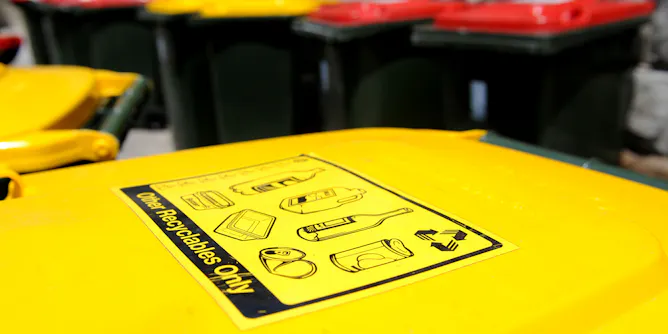
China’s refusal to take Australia’s rubbish has started to bite, and it’s clear we’re not ready to deal with the consequences.
Articles on Waste
Displaying 161 - 180 of 294 articles
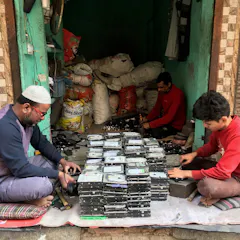
For as little as $4 a day Indian workers process dangerous, toxic waste by hand. This unregulated, highly polluting industry is hidden away from police eyes.
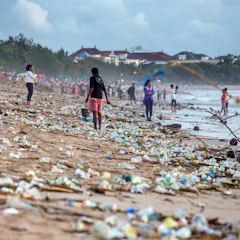
Asian countries have become a dumping ground for the plastic waste from wealthy countries.
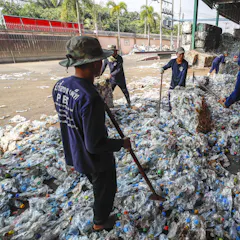
Since China stopped accepting Australia’s recyclable plastic, the majority of exported plastic waste is now going to developing nations in South East Asia.

Dumping your closet debris on a charity shop just means giving volunteers the cost of sorting out your landfill.
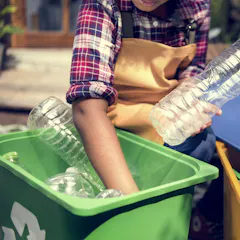
There are lots of issues with recycling – but it’s still an important part of society’s efforts to live more sustainably.
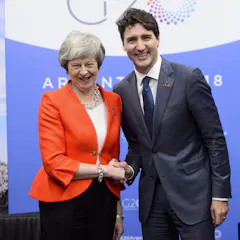
As 2019 dawns, a worldwide circular economy could be created through international trade and trade agreements like the one that could be forged between Canada and the U.K., post-Brexit.

Don’t let your dog’s poo go to landfill and contribute to our waste problem - compost it instead.
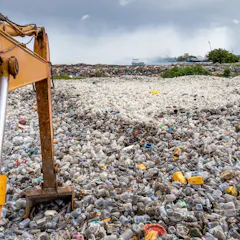
Less than 10 percent of plastic waste has been recycled – a factoid recently crowned statistic of the year.
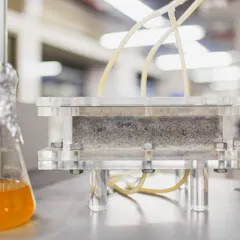
Some of the things we discard - like urine - can actually be useful resources.

Existing toilets aren’t a good fit for parts of sub-Saharan Africa because many areas lack water and there’s often no proper plumbing.
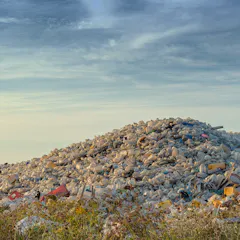
In the EU, 31% of plastic products go to landfill: but a process called “cold plasma pyrolysis” could turn them into clean fuels.

Trump’s plan to slap $200 billion more in tariffs on Chinese goods is premised on yesterday’s waste-fueled economy. Tomorrow’s economy is ‘circular.’
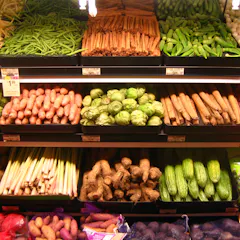
Research shows that campaigns that try to make consumers feel guilty about the amount they waste often make things worse, not better. A new study poins the way to more effective anti-waste campaigns.
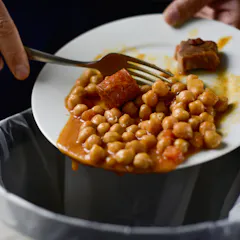
Two of the world’s problems – obesity and waste – can be reduced together.

Incineration of household waste has gotten a bad name, argues an economist, who sees today’s recycling crisis as an opportunity to reconsider how the U.S. handles its waste.
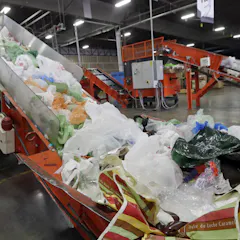
Since China stopped importing ‘foreign garbage’ in March 2018, scrap – especially plastic – has built up in the US. Will this shock trigger long-overdue investments in plastic recycling here?

Bio-based plastics made from natural sources break down more easily than conventional plastic, without producing toxic byproducts. But for this to happen they have to be composted, not buried in landfills.
In 2015, over 320 million tons of polymers, excluding fibers, were manufactured across the globe.

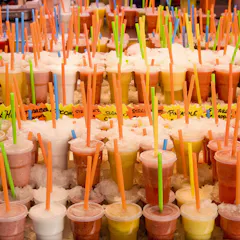
Stop me if you’ve heard this one before, but plastic straws are ruining the ocean.
Top contributors
-

Professor of Applied Environmental Science, University of Southampton
-
Senior Research Fellow, BehaviourWorks Australia, Monash University
-
Research associate, Loughborough University
-
Professor of Global Environmental Politics, University of California, Berkeley
-
Lecturer, School of Life and Environmental Sciences, Deakin University
-
Professor and Director Centre for Agricultural Engineering, University of Southern Queensland
-
Associate Professor at School of Property, Construction and Project Management, RMIT University
-
Senior Principal Research Scientist, Environment, CSIRO
-
Professor of Law, Griffith University, Griffith University
-
Emeritus Professor, School of Environment and Science, Griffith University
-
PhD Candidate in Environmental Science, Policy, and Management, University of California, Berkeley
-
Research Principal, Institute for Sustainable Futures, University of Technology Sydney
-
Associate Professor and Research Director, Institute for Sustainable Futures, University of Technology Sydney
-
Associate Dean and Head of Project Management, RMIT University
-
Associate Professor in Construction and Environmental Performance, The University of Melbourne