

Green ratings are growing in South Africa, mainly for upgraded older buildings, but some low scores suggest buildings may appear greener than they are.
Articles on ACF2026
Displaying 1 - 20 of 117 articles
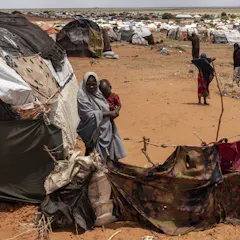
African countries are now crafting the first continent-wide framework to tackle how climate disasters can worsen hunger, displacement and conflict.
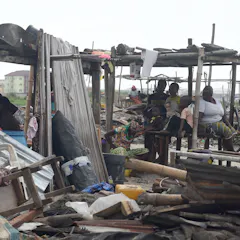
Residents whose homes cluster along waterways, canals and shorelines have built organised systems for living with climate change.
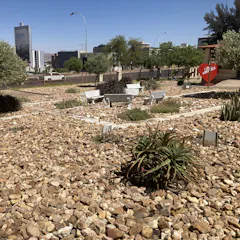
New research shows how Windhoek’s ‘Brown is Beautiful’ approach could use its dry landscape to protect the city from heat, drought and floods.

Could spekboom move from garden hedge to dinner plate? Scientists found most people surveyed would eat it.
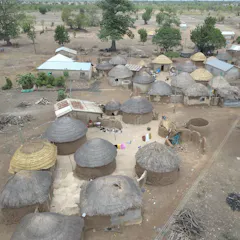
Modern styles of architecture can learn from traditional approaches to building.

People restoring Africa’s ecosystems need climate services that combine forecasts with Indigenous knowledge and information about land, water and livelihoods.
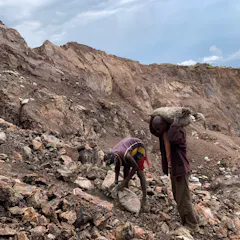
The amount of undeclared uranium from the DRC’s cobalt mines could – if processed – produce enough material for 600-1,500 nuclear weapons.
The world is likely to pass 1.5°C of warming. Africa faces worse heat, drought and floods, but faster cuts to emissions can still limit the overshoot damage.
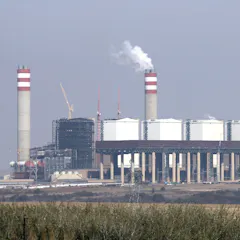
South Africa’s Supreme Court of Appeal has held electricity utility Eskom and state regulators responsible for water pollution from a coal fired power station.

South Africa’s new electricity pricing policy reflects some changes but fails to guarantee more free power for millions who need it.

Climate finance should not be separated from development funding.
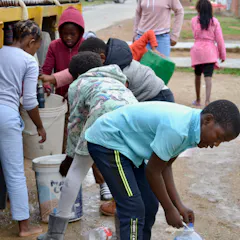
South Africa is running short of water, but new research finds scarcity is only part of the problem: water is also not being shared fairly among those who need it.
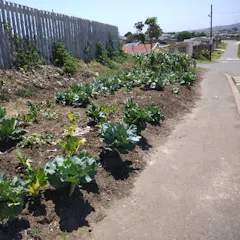
South African cities could create dedicated spaces where picking indigenous plants is safe.
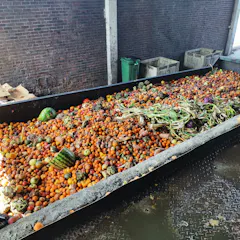
South Africa must focus not just on food production but on preserving what is produced through improved cold chain infrastructure.
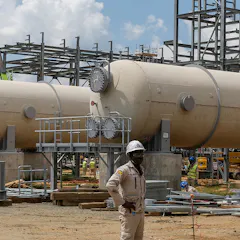
Rivalry has not disappeared from east Africa. It has simply been repackaged as competing ‘regional’ projects.

Without finance, infrastructure and power, many Black South African farmers remain dependent on white commercial farmers.

South Africa’s first climate case at the Constitutional Court has blocked Shell’s oil and gas exploration off the Wild Coast, protecting coastal communities.
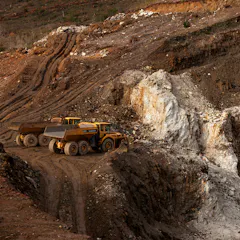
Armed groups in the Sahel are finding new ways to profit from the rapidly expanding lithium trade.
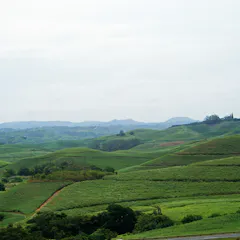
Isolated interventions are unlikely to help small sugarcane growers. Improving productivity requires integrated support systems.
Top contributors
-

Research Fellow, The ARC Centre of Excellence for the Weather of the 21st Century, Australian National University
-
Director of the Global Environmental Law Centre; Associate Professor Department of Public Law & Jurisprudence, University of the Western Cape
-
Chief Specialist Scientist (Public Health), South African Medical Research Council
-
Director, Columbia Center on Sustainable Investment, Columbia University
-
Senior Researcher, Associate Professor: Economic Management Sciences, University of Pretoria
-
Lecturer in the Department of Public Law, University of Venda
-
Professor in Mechanical and Mechatronic Engineering, Stellenbosch University
-
Researcher in Renewable Energy, University of Cape Town
-
Professor of Climate Change, Food Systems and Health and Director of The Lancet Countdown in Africa, London School of Hygiene & Tropical Medicine
-
Associate Professor in the Centre for Environmental Management, University of the Free State
-
Director of African Climate and Development Initiative, Professor in Environmental and Geographical Science, University of Cape Town
-
Researcher, Centre for Global Change, Walter Sisulu University
-
Research Scientist: Centre for Global Change, Walter Sisulu University
-
Visiting Adjunct Professor, African Energy Leadership Centre, Wits Business School, University of the Witwatersrand
-
Professor, Department of Geography, University of KwaZulu-Natal