
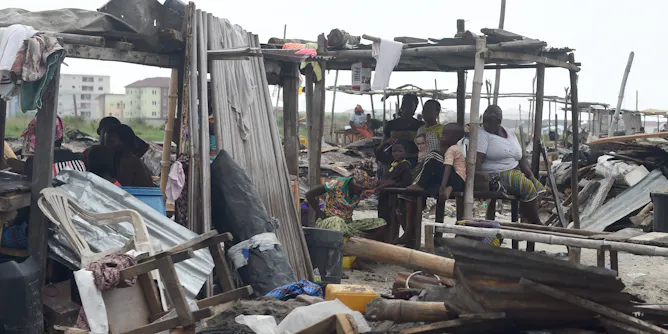
Residents whose homes cluster along waterways, canals and shorelines have built organised systems for living with climate change.
Articles on Solutions
Displaying 1 - 20 of 134 articles

People restoring Africa’s ecosystems need climate services that combine forecasts with Indigenous knowledge and information about land, water and livelihoods.

Climate finance should not be separated from development funding.
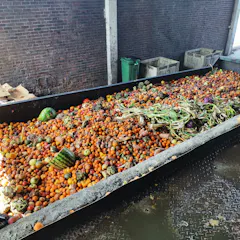
South Africa must focus not just on food production but on preserving what is produced through improved cold chain infrastructure.
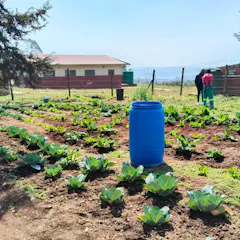
In a rural South African village, climate action is influenced by ubuntu: the belief that people are connected and have a responsibility to one another.
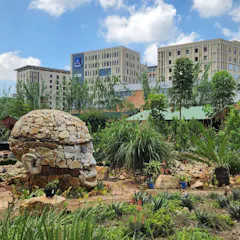
Parks do more than cool cities. They also help people work together to cope with climate change, but only if local communities help design, manage and care for them.

Factories that process crops and agricultural products need training and support to help them face climate risks.
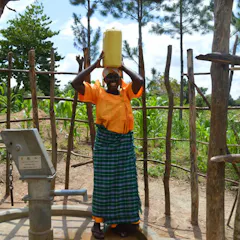
Solutions for food systems exist; scaling them is where the challenge lies.

From roadside plots to community gardens, urban farmers in Alexandra township, South Africa are growing food, earning income and coping with climate change.

Citizens don’t just respond to disasters. They also respond to how governments manage them.
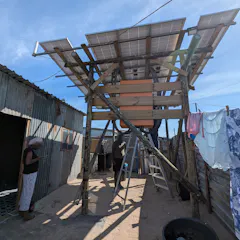
A new basic solar grant made electricity more affordable for families in the Qandu Qandu shack settlement in Cape Town, South Africa.
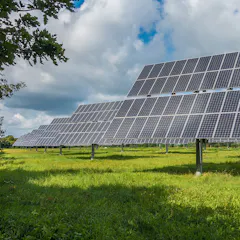
Africa is rapidly expanding electricity generation, but new research shows energy planning must also account for water scarcity and carbon dioxide emissions.
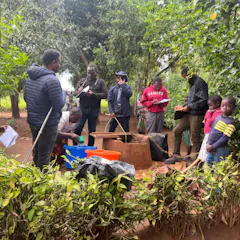
A new continent-wide map is helping identify where Africa’s groundwater can support drinking water and irrigation. Monitoring boreholes tracks aquifer health.
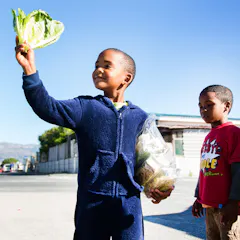
As food and living costs rise, rooftop solar and rainwater harvesting could help low income South African households save money and buy more food.

Climate change is threatening sheep farming in South Africa’s Drakensberg. Farmers are adapting but need mountain infrastructure, better climate warnings and vets.
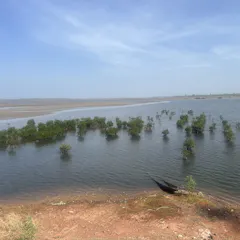
Nature-based solutions like mangrove restoration are key to climate action, but weak monitoring can overstate carbon storage, creating ‘ghost carbon’.

Mauritius is securing climate funding, but weak oversight and poor coordination risk leaving vital adaptation money mismanaged.

AI tools for farming can play a role. But they need to be properly tailored for African and developing nations’ context.

Ethiopian communities are cheaply filling destructive gullies with soil, stones and branches and replanting them to stop erosion and restore farmland.
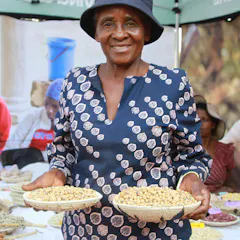
As climate crises deepen, Africa must turn its hard-won experience and local knowledge into global leadership on climate, health, food systems and clean energy.
Top contributors
-

Professor in Mechanical and Mechatronic Engineering, Stellenbosch University
-
Professor of Climate Change, Food Systems and Health and Director of The Lancet Countdown in Africa, London School of Hygiene & Tropical Medicine
-
Senior Lecturer at Oyo State College of Agriculture and Technology, Igboora, Nigeria and Extraordinary Senior Lecturer at Indigenous Knowledge Systems Centre, North-West University, Mafikeng, South Africa, North-West University
-
Ass. Professor, University of Maryland Eastern Shore; North-West University
-
Researcher, Centre for Global Change, Walter Sisulu University
-
Research Scientist: Centre for Global Change, Walter Sisulu University
-
Professor and Head of the Department of Geography, Geoinformatics & Meteorology, University of Pretoria
-
Senior research officer: Climate Adaptation in the African Climate and Development Initiative (ACDI), University of Cape Town
-
Researcher in Environmental Science, Rhodes University
-
Professor of Environmental Science, Rhodes University
-
Professor in Engineering, Stellenbosch University
-
Lecturer in the Department of Management, Uganda Management Institute
-
Professor in Operations Management, Trinity College Dublin
-
Senior Research Associate, University of Johannesburg
-
Research Associate, University of Oxford