
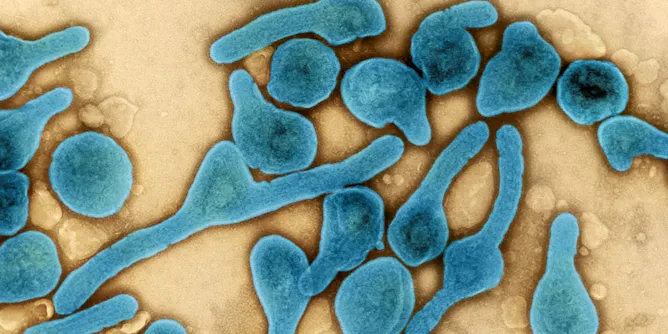
The Marburg virus, a close cousin of Ebola, currently has no approved treatments or vaccines to protect against it.
Articles on Bats
Displaying 41 - 60 of 143 articles

From insects to birds to bats to frogs, these little loudmouths have found ingenious ways to deliver their messages at high volume.
Humans often look to nature for the solutions to complex problems – here are five times where biological processes have inspired innovation.

Brush turkeys, bats, and cockroaches are crucial for the environment – including our gardens. Each have fascinating ways of coping in wet weather.
Bats have important roles to play in ecosystems, but their populations have been declining due to disease and habitat change.
Humans have long struggled to understand the nocturnal world. As environmental change becomes increasingly acute, understanding their lives has never been more critical.

The chances of surviving Marburg are improved if there’s early supportive care with rehydration and symptomatic treatment.
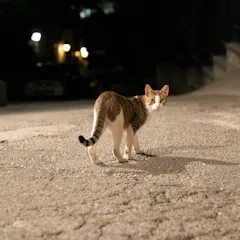
Allowing cats to roam unsupervised is detrimental to humans, wildlife and the cats themselves. Managing free-roaming cats should consider the risks they pose to other species.

Already critically endangered, the southern bent-wing bat is still declining in a drying climate. If we don’t step in, it will likely be extinct within three generations of bat.
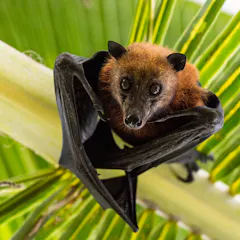
Fruit bats have the potential to reforest areas where trees had been lost in parts of Africa.
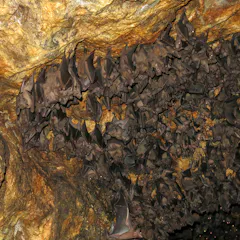
Scientists exploring the possibility of an animal origin for Covid-19 are still investigating the missing link between bats and human beings.
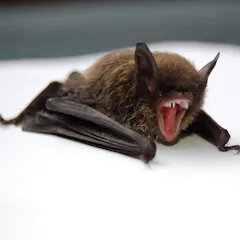
Research has revealed how earless moths manage to avoid bat attacks - by evolving sophisticated acoustic tricks.

A bat’s body is really good at tolerating diseases.
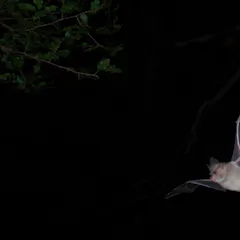
Cave-specific conservation and protection actions are essential to protect cave habitats for the continued survival of bats, and ultimately, the well-being of humans.
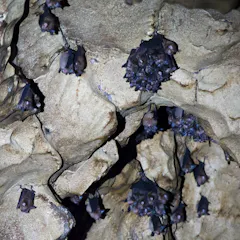
How can nations prevent more pandemics like COVID-19? One priority is reducing the risk of diseases’ jumping from animals to humans. And that means understanding how human actions fuel that risk.
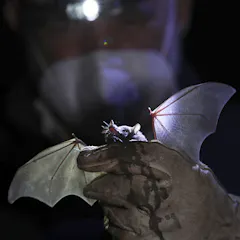
It’s more evidence a lab leak is very unlikely.
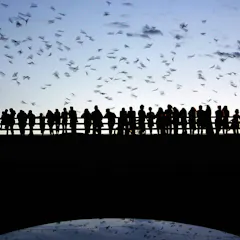
Bats roost under bridges and culverts across North America, so highway departments have to check for them before repairing bridges. A new AI tool makes those inspections faster and more accurate.
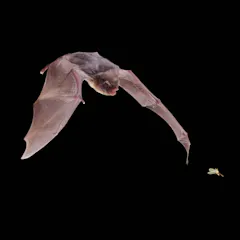
These nocturnal insects have amassed an impressive defensive arsenal against bats’ echolocation.

‘Shape shifting’ animals are evolving to deal with heat – by changing the size of their ears, tails, bills and other appendages.

The Marburg virus will be present wherever the Egyptian Rousette bat occurs.
Top contributors
-

Professor of Animal Ecology, Western Sydney University
-
Biodiversity Coordinator, Wilderness, University of the Witwatersrand
-
Senior Lecturer in Applied Mathematics, Cardiff University
-
Principal Scientist and Canada Research Chair in Zoonotic Virus and Animal Reservoirs at the Vaccine and Infectious Disease Organization and Co-Lead of One Health at the University of Saskatchewan, University of Saskatchewan
-
Postdoctoral Research Associate in Biological Sciences, University of Bristol
-
Adjunct Asssociate Professor, James Cook University
-
Senior Lecturer in Physical Geography, James Cook University
-
Assistant Professor of Microbiology, Kennesaw State University
-
Wellcome Trust Senior Research Fellow, University of Glasgow
-
The University of Melbourne
-
Professor of Environmental Biology, University of Sussex
-
Researcher, Max Planck Institute of Animal Behavior
-
Maître de Conférences (HDR) à Sorbonne Université, ISYEB - Institut de Systématique, Evolution, Biodiversité (CNRS, MNHN, SU, EPHE, UA), Muséum national d’histoire naturelle (MNHN)
-
The University of Melbourne
-
Research scientist, CSIRO