
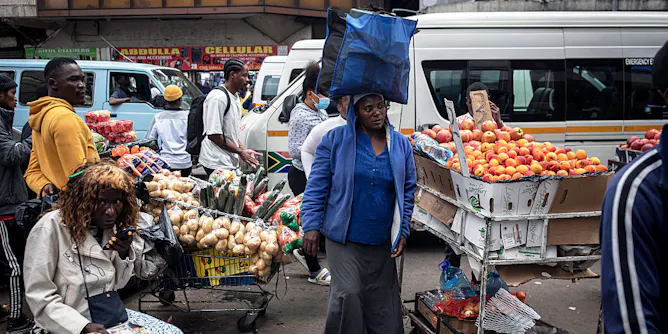
Informal trading is an integral part of the city of Johannesburg’s identity.
Articles on Cities
Displaying 61 - 80 of 1689 articles
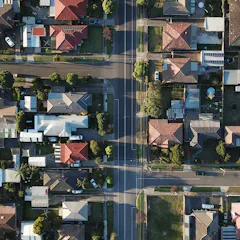
Choosing an area to live is tricky. But many people overlook the importance of walkable, leafy and quiet suburbs. Here’s how to check.
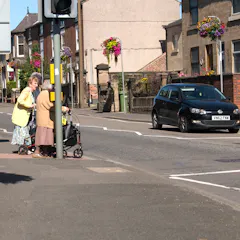
Many older people with reduced mobility say they feel ‘hurried’, ‘rushed’ and ‘unsafe" when walking around their city.
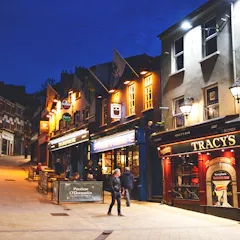
This technology was developed in response to the stark disparity in how urban safety is experienced by women and men.

Iran’s sprawling cities and irrigated agriculture, along with tight market controls, have left the country vulnerable to drought. There are steps that would help.
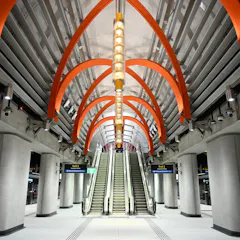
Melbourne’s rail network will feel the improvements immediately, but experience from Sydney and elsewhere shows changes in travel behaviour will take time.

In South Africa’s Makanaskop, the kraal is a sacred space for rituals but small plots with outside toilets undermine this cultural use.
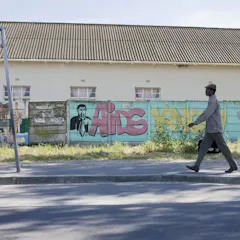
Young men in low-income communities in Cape Town and London often walk with great fear.

Australia has remembered the Anzacs in many ways – but some memorials toe a fine line between form and function.
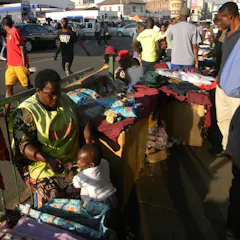
Informal governance is both a survival mechanism and a structure of power.
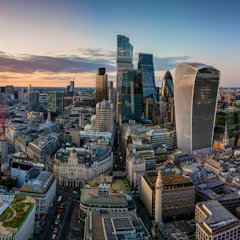
A lack of daylight can lead to stress, sleep disruption and cardiovascular disease.
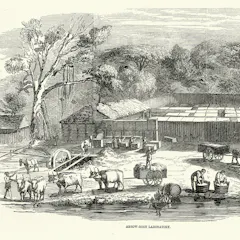
Colonial era records reveal the intersection of race and access to water in South Africa’s history.
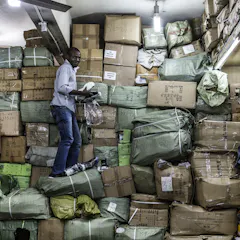
Ethiopian migrants in Johannesburg have reused buildings, densified commercial space and developed networks.
New research surveying more than 10,000 Australians has found people feel better about the nation than in years prior, but strong divides remain.
Governments have been pushing the construction of apartment towers for years to help housing affordability and availability, but people don’t want to live in them.

Urban sprawl has forced native animals and humans to live close together. Here are eight ways to make your home a refuge for wildlife.

Through a long history of prioritizing cars in our cities, we have normalized not seeing or hearing children on our streets.
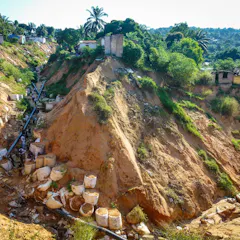
Urban planning can prevent gullies from forming, saving costly repairs and avoiding displacement of people.
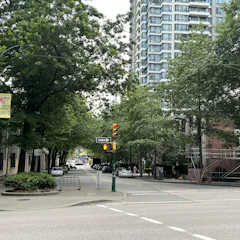
Incorporating nature-based solutions can help cities meet both their development and climate change goals.
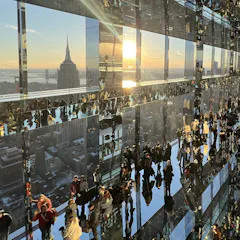
Glass seems simple − it’s just sand and a few more ingredients. Yet mining and production are rarely local, raising questions about sustainability.
Top contributors
-
 John Rennie Short is a Friend of The Conversation.
Professor Emeritus of Public Policy, University of Maryland, Baltimore County
-
Head of Urbanism and Associate Professor of Urban Studies, School of Architecture, Design and Planning, University of Sydney
-
Professor of Sustainability, Curtin University
-
Professor of Urban Policy and Director, Urban Futures Enabling Impact Platform, RMIT University
-
Professor of Human Geography and Planning, University of Tasmania
-
Senior Lecturer in Urban and Environmental Planning, Griffith University
-
Transport and Cities Program Director, Grattan Institute
-
Associate Professor in Urban Planning, The University of Queensland
-
Associate Professor of Urban Planning, The University of Melbourne
-
Adjunct professor, School of Media and Communications, RMIT University
-
Professor of Housing Research, Adelaide University
-
Emeritus Professor of Housing, UNSW
-
Emeritus Professor, Urban Planning and Policy, University of Sydney
-
Research associate at African Centre for Cities, University of Cape Town
-
Housing Policy Researcher, Expert Advisor, Housing Assessment Resource Tools and Adjunct Professor, L’Université d’Ottawa/University of Ottawa