

Informal governance is both a survival mechanism and a structure of power.
Articles on Cities
Displaying 81 - 100 of 1700 articles
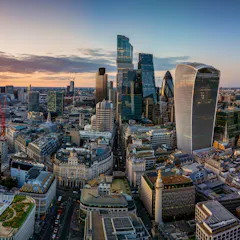
A lack of daylight can lead to stress, sleep disruption and cardiovascular disease.
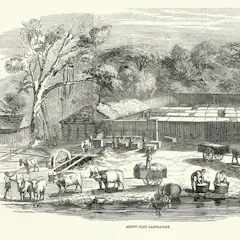
Colonial era records reveal the intersection of race and access to water in South Africa’s history.
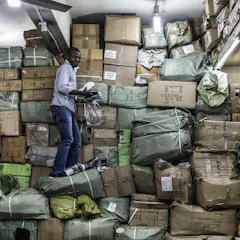
Ethiopian migrants in Johannesburg have reused buildings, densified commercial space and developed networks.

New research surveying more than 10,000 Australians has found people feel better about the nation than in years prior, but strong divides remain.
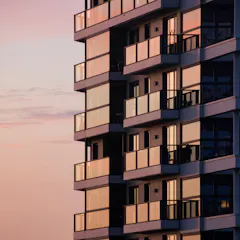
Governments have been pushing the construction of apartment towers for years to help housing affordability and availability, but people don’t want to live in them.

Urban sprawl has forced native animals and humans to live close together. Here are eight ways to make your home a refuge for wildlife.

Through a long history of prioritizing cars in our cities, we have normalized not seeing or hearing children on our streets.
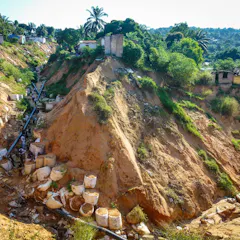
Urban planning can prevent gullies from forming, saving costly repairs and avoiding displacement of people.
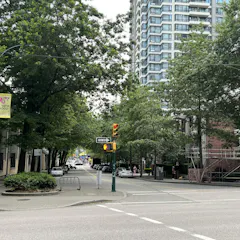
Incorporating nature-based solutions can help cities meet both their development and climate change goals.
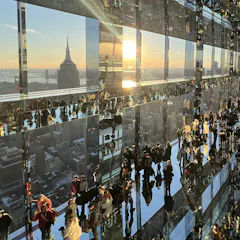
Glass seems simple − it’s just sand and a few more ingredients. Yet mining and production are rarely local, raising questions about sustainability.
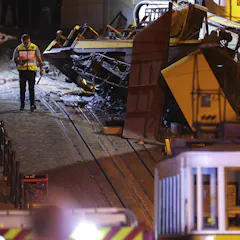
The deadly derailment has shone a spotlight on this transport relic of the 19th century.

Swimming in the Seine River is often framed as a novelty of the 2024 Paris Olympics, but it revives an old tradition amid climate change.
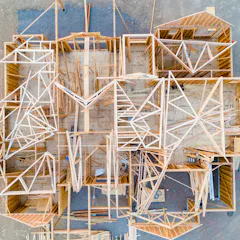
Housing not only provides much-needed homes, it can drive the economy in a range of ways. But do harness its potential, we need to do it differently.
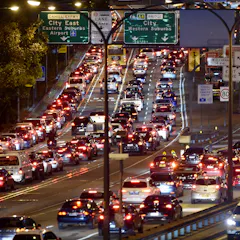
Expanding freeway networks undermines climate action. It points to a deep-seated flaw in Australia’s urban planning systems which must be solved.

New research on house sparrows in three Australian towns revealed subtle but disturbing effects of pollution. If city living is harming birds, what about people?
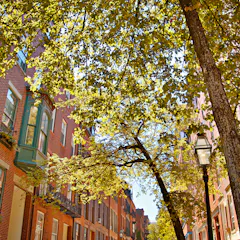
New technologies are making it easier to find these urban heat islets, opening the door to new strategies for efficiently improving community health.
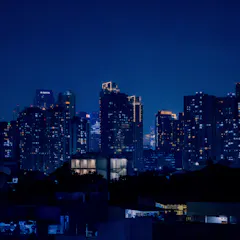
Our nights are getting brighter and we are all paying the price.
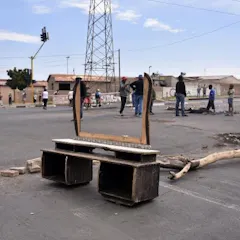
People want technology that supports them and eases their struggles. The technology must be controlled by the community and enhance people’s daily lives.
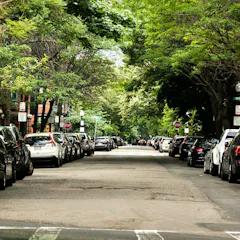
Cities are seeking low-cost ways to ease the heat island effect. Researchers found benefits and trade-offs in two popular options, but they vary by city and even neighborhood.
Top contributors
-
 John Rennie Short is a Friend of The Conversation.
Professor Emeritus of Public Policy, University of Maryland, Baltimore County
-
Head of Urbanism and Associate Professor of Urban Studies, School of Architecture, Design and Planning, University of Sydney
-
Professor of Sustainability, Curtin University
-
Professor of Human Geography and Planning, University of Tasmania
-
Professor of Urban Policy and Director, Urban Futures Enabling Impact Platform, RMIT University
-
Transport and Cities Program Director, Grattan Institute
-
Senior Lecturer in Urban and Environmental Planning, Griffith University
-
Associate Professor in Urban Planning, The University of Queensland
-
Adjunct professor, School of Media and Communications, RMIT University
-
Associate Professor of Urban Planning, The University of Melbourne
-
Professor of Housing Research, Adelaide University
-
Research associate at African Centre for Cities, University of Cape Town
-
Housing Policy Researcher, Expert Advisor, Housing Assessment Resource Tools and Adjunct Professor, L’Université d’Ottawa/University of Ottawa
-
Emeritus Professor, Urban Planning and Policy, University of Sydney
-
Emeritus Professor of Housing, UNSW