

Cheesemaking is an ancient practice, and modern methods and chemistry have made it a science.
Articles on Dairy
Displaying 21 - 40 of 96 articles
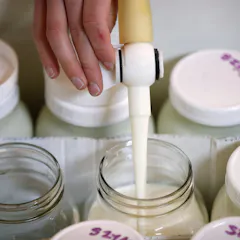
Raw milk has always carried the risk of serious illness, and this risk has only risen with bird flu spreading across dairy farms in the US.
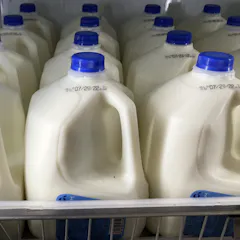
H5N1 influenza has been reported in dairy cows, and detected in milk. Here’s a look at what’s known about how pasteurization affects the virus and the safety of consuming H5N1-contaminated milk.
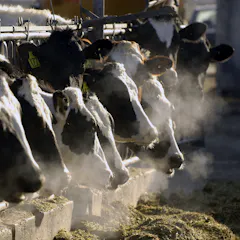
Five livestock experts who study infectious diseases in the dairy industry explain the risks.
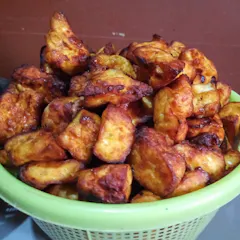
Nigeria’s soft cheese, wara, could be made more widely available with new techniques to extend its shelf life.

It might seem like a simple concept, but to get ice cream right, you need three states of matter and a delicate interplay of chemistry.
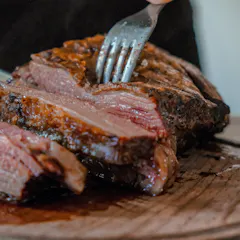
Food prices are rising and around half of Australians are trying to cut back on their grocery bill. So how can you save on the cost of meat and dairy products without skimping on nutrients?

A recent evidence review found children who ate full-fat dairy were healthier and leaner.

Any benefit of eating ice cream can likely be explained by other factors – such as eating a healthy diet or exercising.

Tangible solutions would reduce livestock methane emissions, while also improving productivity and livelihoods.
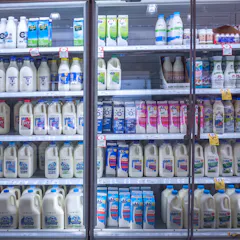
Synthetic milk offers dairy milk without the concerns such as methane emissions or animal welfare. But is it the whey forward?

Listeria causes serious illness and food recalls nearly every year.
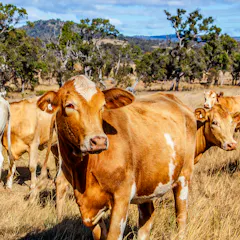
Foot and mouth disease hasn’t been on our doorstep since the 1980s. Keeping it out of Australia is a new national priority.

Climate change has a clear link to rising foodborne illnesses. Blackouts during heat waves and wildfires are a growing part of the problem.
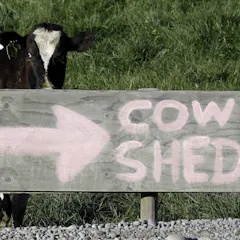
New Zealand is accusing Canada of undercutting its commitments under the Comprehensive and Progressive Trans Pacific Partnership on dairy. Canada’s problem is that New Zealand’s case is strong.
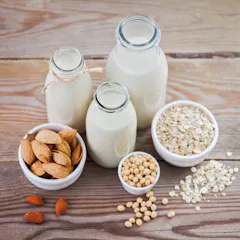
Look out for products fortified with important vitamins and minerals.

People who don’t drink milk can choose other foods to get the calcium, protein, vitamins and minerals their bodies need.

UK supermarket chain Morrisons recently announced it will use ‘best before’ instead of ‘use by’ dates on its milks. This change makes sense for the environment, and from a food safety perspective too.

Technological changes on the horizon will likely disrupt the dairy industry as we know it — plans to mitigate the risks this transition poses to farmer livelihoods and animal welfare should start now.

Vegetables, fruits and legumes are nutritious and sustainable – but subsidies overwhelmingly neglect them.
Top contributors
-

Associate Professor of Agricultural Economics, Colorado State University
-
Laureate Professor in Nutrition and Dietetics, University of Newcastle
-
Lecturer in Sustainability and Environment, University of Technology Sydney
-
Associate Director, Food and Agriculture Institute, University of The Fraser Valley
-
Specialist, CGIAR
-
Clinical Trials Director, Department of Endocrinology, RPA Hospital, University of Sydney
-
Professor, Food Economics, University of Guelph
-
Senior Lecturer, School of Management, Te Kunenga ki Pūrehuroa – Massey University
-
Programme Leader, MRC Epidemiology Unit, University of Cambridge
-
Senior Visiting Fellow, School of Medical Sciences, UNSW
-
Sir Graeme Harrison Professorial Chair in Global Value Chains and Trade, Lincoln University, New Zealand
-
Professor of Dairy Production Systems, Te Kunenga ki Pūrehuroa – Massey University
-
Honorary Associate Professor, University of Leicester
-
Senior Researcher on Environment and Health, University of Oxford
-
Food Microbiologist, CSIRO