

Some of the most persistent myths about COVID-19 vaccination have been false rumours that it can affect fertility in men or women. There has never been any evidence to support this misinformation.
Articles on Fertility
Displaying 81 - 100 of 248 articles

Many young people are bleak about what the future holds - and this is having an impact on their plans to have children.

Around 10% of women stop having periods and see the end of their fertile years much earlier than expected.

A panel of experts answer questions about vaccines, omicron and other COVID-related issues in a discussion with The Conversation.

While most women who try for a baby will succeed, some won’t, and some will have fewer children than they had planned to have.

Reproductive leave policies can help workers who are trying to start a family, dealing with painful periods or going through menopause.
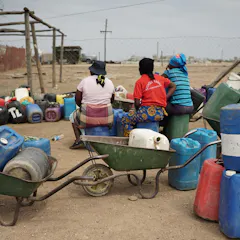
The provision of better health services and social grants has aided rural women’s progress in South Africa, but there are still tremendous needs to be met.

COVID vaccines have no effect on fertility, do not impact the chance of a miscarriage, and are safe and effective while pregnant. Here’s what the science shows.
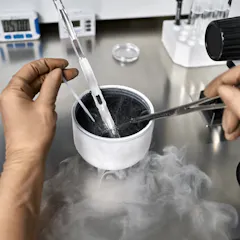
Frozen eggs will be stored for up to 55 years in the UK.

An unknown number of people have lost their dreams of parenthood because of storage disasters at fertility clinics. These experts note poor government oversight and the need for stronger regulation.

Abortion and contraception were quite common among premodern Christians, who also celebrated women’s celibacy as superior to marriage and childbearing.

Economic opportunities, social norms and expanding education and employment options for many women help explain why U.S. fertility has slowed in the late 20th and early 21st centuries.

The Nigerian government must design more interventions to improve education, employment opportunities and the economy in order to control the country’s population growth.

The higher the chemical levels found in a woman’s blood, the fewer eggs they had left in their ovaries.

New findings suggest the loss of fertility at high temperatures is a major threat to the survival of some species.

Our study found that the longer it took a person to conceive, the poorer their health was in later life.

Warnings of an end to human sperm production have been making headlines recently, now with the added threat of shrinking penises. Is this science or sensationalism?
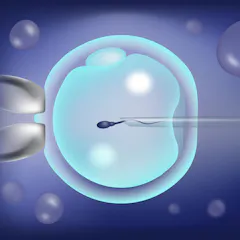
Our new study shows a widely used fertility treatment, known as ICSI, is no better than standard IVF for most people. Yet, it’s being routinely offered around the world.
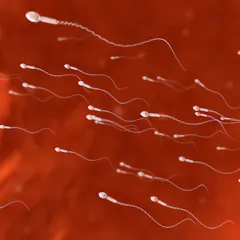
Our chemical environment appears responsible for an alarming plummet in sperm counts – in humans and in animals.

Older fathers have a lower chance of conceiving and increased chances of negative effects on children.
Top contributors
-

Adjunct Senior Research Fellow, Global and Women's Health, School of Public Health & Preventive Medicine, Monash University
-
Senior Lecturer, School of Social Sciences and Humanities, Loughborough University
-
Senior lecturer in reproductive Biology, University of Sheffield
-
Reader / Associate Professor in Reproductive Science, Manchester Metropolitan University
-
Monash University
-
Adjunct clinical professor, Monash University
-
Assistant Professor of Sociology, University of South Carolina
-
NHMRC Emerging Leader Research Fellow in Reproductive Health, School of Public Health, University of Sydney
-
Professor and Director, Robinson Research Institute, Adelaide University
-
Emeritus Professor of Reproductive and Periconceptual Medicine, The Robinson Research Institute, Adelaide University
-
Professor of Social Science and Public Policy, Hong Kong University of Science and Technology
-
Professor of Reproductive Medicine, University of Dundee
-
Adjunct Professor, La Trobe University
-
Associate Professor,, The University of Melbourne
-
Assistant Professor of Obstetrics and Gynecology, UMass Chan Medical School