

Children with cancer not only endure chemotherapy or radiation treatment but they may also face infertility in adulthood. Now a new procedure, just proven in monkeys, may be close to use in humans.
Articles on Fertility
Displaying 121 - 140 of 248 articles
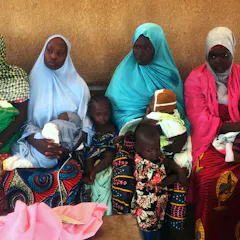
Research shows that unrest, even terrorism, can erupt in poor countries with a surplus of young people and not enough jobs. Can Niger, a once-peaceful sub-Saharan African nation, handle its baby boom?
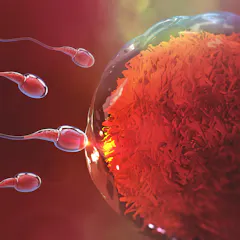
Our new research has discovered what gives human sperm the strength to succeed in the race to fertilise the egg – and it’s all to do with their tails.

Australians report having sex once or twice a week, on average, but there are many variables. And that’s assuming people’s estimates are accurate.

Thousands of Australian men have vasectomies each year. These surgeries are successful in more than 99% of cases.

Zebrafish study could have implications for human fertilisation technology.

The ‘egg timer’ blood test reveals the quantity of eggs women have, not the quality, which declines with age. It’s also expensive and can give false low readings.
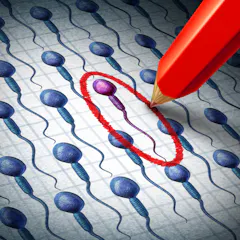
Traditional belief has held that the underlying cause of miscarriage can be found in mothers, but half of recurrent miscarriages have another cause.

How do women decide how many children to have and when to have them? The data reveal a few major patterns.

Climate change threatens to cause mass extinctions – but how, exactly? New research suggests male fertility may be the weakest link.

Older. More suburban. Less fertile. More diverse. This year, Americans grappled with some major shifts in the demographic landscape.

Did you ever consider that human beings might have a breeding season? Birth seasonality exists – and has interesting implications for childhood disease outbreaks.

Fertility apps aim to help women understand their bodies. But while some find tracking their data a positive experience, others may feel burdened or trapped.
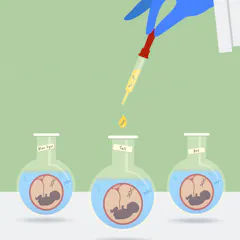
Forecasts of designer babies followed the announcement of the gene-edited twins, just as they have for any reproductive technology since 1978. This signals the public must learn more about genetics.

There are many things to consider when choosing when to have a child.

Adenomyosis is a different condition to endometriosis, though many women who have one will have the other.
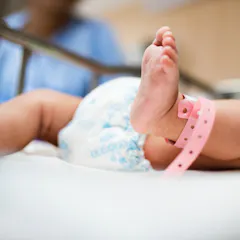
A new study shows that as the father’s age increases, so too the chances of the baby being born prematurely, having a low birth weight, or requiring medical intervention after delivery.
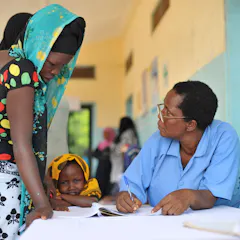
Tanzania was an early, ardent believer in family planning. Now it joins a growing number of developing nations that see potential advantage in having a huge and growing workforce.
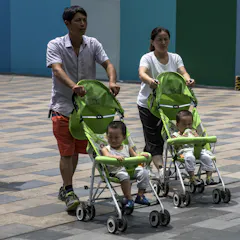
There are signs China could drop its two-child policy in an attempt to boost population growth.

Why some women choose to freeze their eggs.
Top contributors
-

Adjunct Senior Research Fellow, Global and Women's Health, School of Public Health & Preventive Medicine, Monash University
-
Senior Lecturer, School of Social Sciences and Humanities, Loughborough University
-
Senior lecturer in reproductive Biology, University of Sheffield
-
Reader / Associate Professor in Reproductive Science, Manchester Metropolitan University
-
Monash University
-
Adjunct clinical professor, Monash University
-
Assistant Professor of Sociology, University of South Carolina
-
NHMRC Emerging Leader Research Fellow in Reproductive Health, School of Public Health, University of Sydney
-
Professor and Director, Robinson Research Institute, Adelaide University
-
Emeritus Professor of Reproductive and Periconceptual Medicine, The Robinson Research Institute, Adelaide University
-
Professor of Social Science and Public Policy, Hong Kong University of Science and Technology
-
Professor of Reproductive Medicine, University of Dundee
-
Adjunct Professor, La Trobe University
-
Associate Professor,, The University of Melbourne
-
Assistant Professor of Obstetrics and Gynecology, UMass Chan Medical School