

Squirrel feeders laced with contraceptives could be used to suppress grey squirrels in the UK.
Articles on Fertility
Displaying 101 - 120 of 248 articles

COVID-19 has led to a sharp rise in inquiries at some of London’s largest fertility clinics.
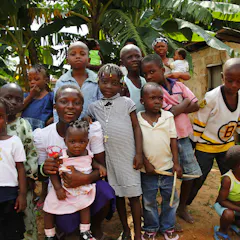
Large numbers of young people can represent great economic potential. But this only works if Nigeria can invest in their health and education and new economic opportunities.

Despite the hype about a “coronial” baby boom, the pandemic is likely to see many Australians delay or not have children at all.

Most people don’t intend to be hurtful or insensitive in their conversations with people experiencing infertility — they often just don’t know what to say.

Expect fewer visits to the clinic, fewer people in the waiting room at once, and temperature checks.

Society shapes people’s preferences and emphasises the value of having genetically related children.

More places around the world are experiencing days with record high temperatures. These prolonged hot spells may have unanticipated impacts on pregnant women, triggering early deliveries.

Women aged over 35 are sometimes offered genetic testing of their IVF embryos to rule out abnormalities. But it’s expensive and doesn’t increase their chance of a baby. In fact, it could reduce it.

Yes, there are pros and cons of this new reproductive technology. But there are many other issues about maternal and child health we need to tackle first.

There’s an app for just about everything nowadays. But if you’re trying to have a baby, relying on a fertility app to tell you the best time to conceive is probably not your best bet.

Miscarriages are more common than many people realise and can be devastating. Here’s what we know about why they happen, what we can do to treat the causes, and what we could do better.
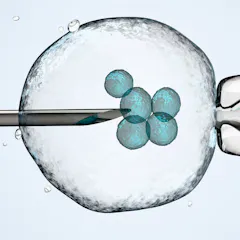
The story of how human eggs became an integral part of a multi-billion dollar global fertility industry starts in a unlikely place: the sex lives of farm animals.

Don’t get too excited about the prospect of freezing ovarian tissue to postpone menopause. The costs, risks and unknowns are likely to outweigh the potential benefits.

A growing number of women may be looking to non-hormonal methods of contraception, in the form of fertility awareness apps. But apps are not likely to be as effective as other forms of contraception.

Scandinavian welfare states have made it easier for women to reconcile family and career. What’s odd is that Anglophone nations aren’t far behind.

The UN’s new global population projections include some surprises – in particular, that the global population in 2100 will be 3% less than they projected in 2017.

Approximately 25% of women – representing all races and backgrounds – will undergo an abortion before the age of 45.

New research can for the first time tell us what happens when women wish to go back to the clinic to use their frozen eggs.

The number of births in the US is down 2% – to what the CDC calls ‘the lowest number of births in 32 years.’ This drop brings the US more in line with its peers.
Top contributors
-

Adjunct Senior Research Fellow, Global and Women's Health, School of Public Health & Preventive Medicine, Monash University
-
Senior Lecturer, School of Social Sciences and Humanities, Loughborough University
-
Senior lecturer in reproductive Biology, University of Sheffield
-
Reader / Associate Professor in Reproductive Science, Manchester Metropolitan University
-
Monash University
-
Adjunct clinical professor, Monash University
-
Assistant Professor of Sociology, University of South Carolina
-
NHMRC Emerging Leader Research Fellow in Reproductive Health, School of Public Health, University of Sydney
-
Professor and Director, Robinson Research Institute, Adelaide University
-
Emeritus Professor of Reproductive and Periconceptual Medicine, The Robinson Research Institute, Adelaide University
-
Professor of Social Science and Public Policy, Hong Kong University of Science and Technology
-
Professor of Reproductive Medicine, University of Dundee
-
Adjunct Professor, La Trobe University
-
Associate Professor,, The University of Melbourne
-
Assistant Professor of Obstetrics and Gynecology, UMass Chan Medical School