
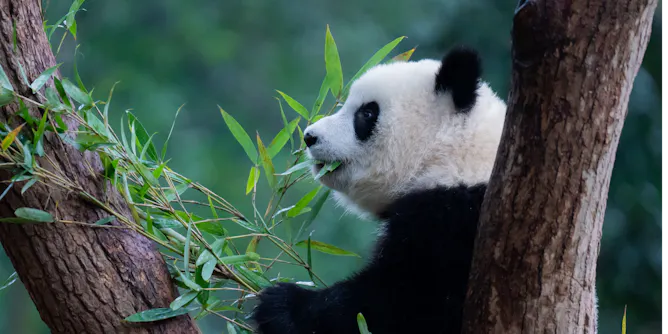
Rising carbon dioxide levels in the air are making plants grow larger and faster, but diluting their nutritional content. This could threaten the health of herbivores worldwide.
Articles on Food webs
Displaying 1 - 20 of 25 articles

The Gulf Coast has seen big jumps in baby bull shark numbers. As adults, these are among the most aggressive species of sharks, but the babies aren’t cause for concern, as three scientists explain.

In winter 2023-24, the Great Lakes’ ice cover was near record lows, peaking at just 16%. Researchers explain how diminishing ice could have consequences for fisheries, and how species are evolving.
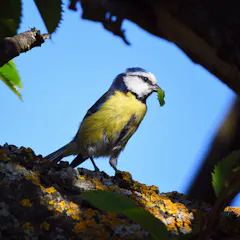
In variable environments, like temperate woodlands, species are not equally at risk.

Feral hogs are one of the most destructive invasive species in North America, harming land, crops and wildlife.
New research from China shows how the loss of insects is destabilising food webs.
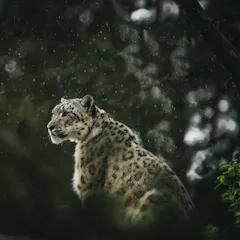
New research finds nearly 30% of land animals could disappear form their local area by 2100 due to climate change and habitat destruction. This is more than double previous predictions.
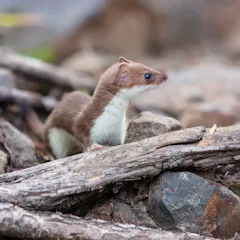
Polar bears and wolves may get the glory, but small predators like weasels, foxes and their cousins play outsized ecological roles. And many of these species are declining fast.

We hear a lot about how humans eating meat is bad for the planet. But if every animal only ate plants, Earth would look dramatically different.
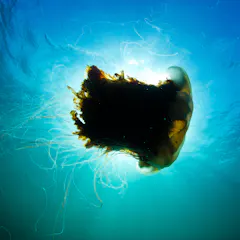
Plankton, some of the smallest organisms on Earth, are leading big changes in the ocean.
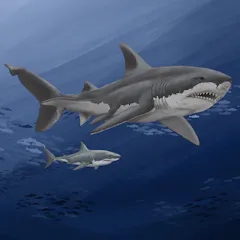
Megalodon, the world’s largest known shark species, swam the oceans long before humans existed. Its teeth are all that’s left, and they tell a story of an apex predator that vanished.

These tiny organisms play a huge role in fighting climate change, but they’re under threat.
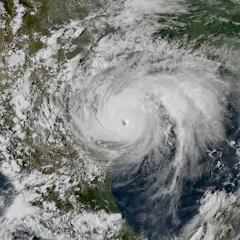
Hurricane Harvey destroyed the fishing infrastructure of Aransas Bay and reduced fishing by 80% over the following year. This removed humans from the trophic cascade and whole food webs changed.
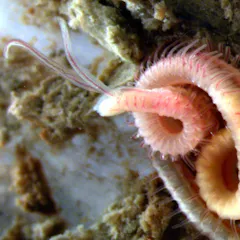
Mud blister worms make their homes in the shells of oysters and other shellfish, where they weaken their hosts.

Climate change is changing Antarctic krill habitat. The repercussions for the Southern Ocean food web are huge.

Insect populations are falling as what they eat becomes more like iceberg lettuce and less like kale.
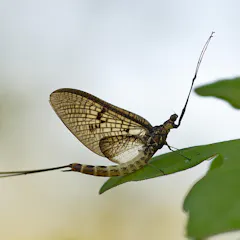
Mayflies and stone flies are extremely vulnerable to water pollution, which has implications for the larger food chain.
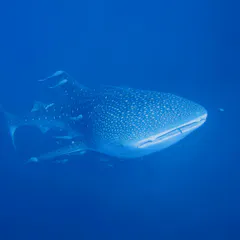
Media coverage of sharks often exaggerates risks to people, but more than 500 shark species have never been known to attack humans, and there’s lots to learn about them.
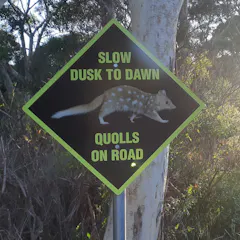
Rewilding is gaining popularity around the world, as a means to restore ecosystems to their ancient state. But just like Vegemite, Australian rewilding projects need to have a unique flavour.

Sharks eating seagrass? Sounds fishy, but the reality is that animals don’t conform to the strict categories we try to place on their diets.
Top contributors
-

Associate Professor of Marine Conservation, University of Plymouth
-
Research Ecologist, Great Plains Science Program, Smithsonian Institution
-
Assistant Professor of Biological Sciences, Mississippi State University
-
Associate Professor, Global Ecology, University of Sydney
-
Anthrozoologist, external advisor, Nottingham Trent University
-
Director, Florida Program for Shark Research, University of Florida
-
Professor of Marine Sciences, University of Connecticut
-
Professor of Entomology and Curator of the C. P. Gillette Museum of Arthropod Diversity, Colorado State University
-
Postdoctoral Research Associate, University of Sydney
-
Senior Ecologist at the National Parks Association of NSW, Research Fellow, University of Sydney
-
Adelaide University
-
Professor, Sustainable Marine Futures, Environment Institute, Adelaide University
-
Research Scientist, Stanford University
-
Professor, Marine Biology, Adelaide University
-
University of Oregon