
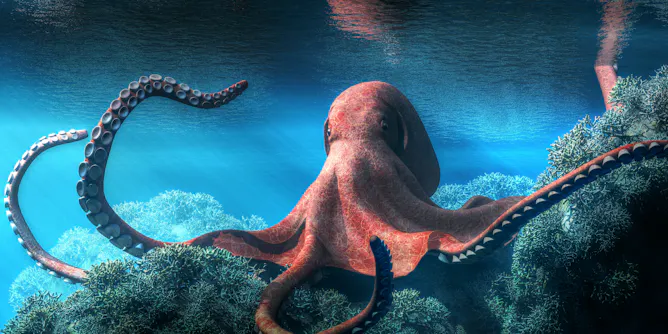
Octopus, crabs, prawns demonstrate clear signs of emotion, such as pain and ‘anxiety-like’ behaviour.
Articles on Invertebrates
Displaying 41 - 60 of 72 articles

Rivers are among the most embattled ecosystems on Earth. Researchers are testing a new, inexpensive way to study river health by using eDNA to count the species that rivers harbor.
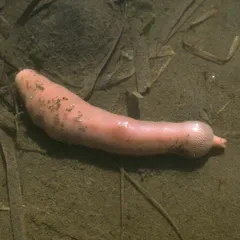
These phallic, burrowing invertebrates are certainly worth your time as integral and fascinating members — of Australia’s marine ecosystems.
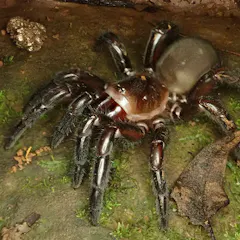
To many people, Australia’s spider diversity is a source of fear. To arachnologists, it’s a goldmine, with most Australian spider species still yet to be discovered.
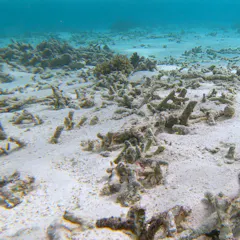
Just because coral is dying, doesn’t mean marine life in reefs will end. New research found dead coral hosted 100 times more microscopic invertebrates than healthy coral.
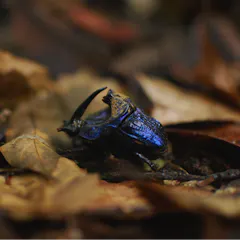
We know surprisingly little about the millions of animals, plants and birds that live in the Amazon – here’s how we can understand them better.

Scientists used to believe that a group containing starfish and sea urchin were the closest relatives of vertebrates like humans. But new research challenges this idea.
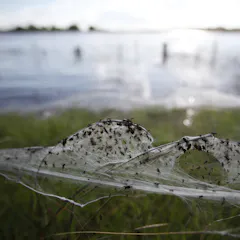
If you find your house overrun by bugs after the floods, go easy on them. Here’s what you can do instead of using pesticides.
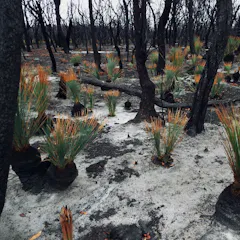
Community scientists have been photographing animals and plants in the months after the Black Summer fires. Each observation is a story of survival against the odds, or of tragedy.
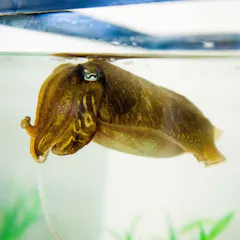
A marine version of the Stanford marshmallow experiment helped show cuttlefish can delay gratification.
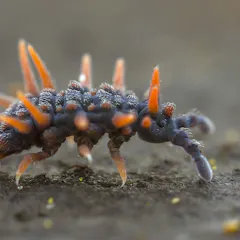
Australia’s invertebrates have an ancient lineage and a fascinating evolution. Get up close with macrophotography to discover tiny, unique animals you’ve probably never seen before.
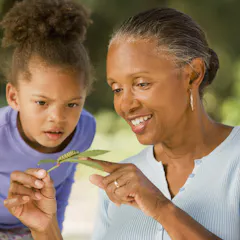
Insects are plentiful and inexpensive. Even when children aren’t attending school in person, they can learn from the encounters they have with insects outside.
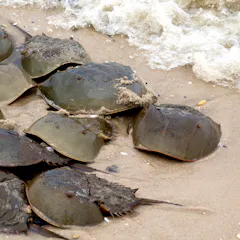
A chemical refined from the blue, copper-based blood of horseshoe crabs helps identify contaminants in medical equipment inserted into humans.
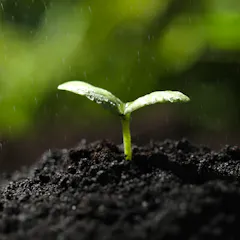
That smell you detect after it rains is part of a chemical language between bacteria and animals.
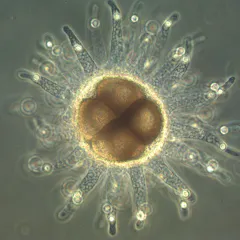
When offspring become more “costly” to make, mothers make fewer of them. And these offspring start life with fewer energy reserves.
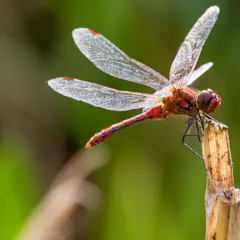
While many surveys show the numbers of wildlife falling, there is good news for some species – including pondskaters and various mosses and lichen.
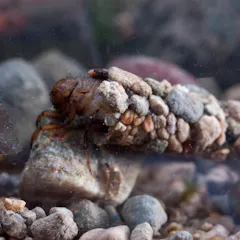
Rivers are shaped by storms, floods, humans and… aquatic invertebrates.
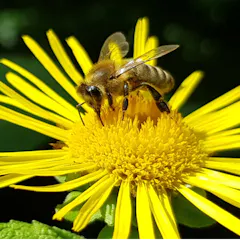
Honeybees are good at maths, but it was thought they could only count to four. That is, unless you present them with a task in which they are punished with a bitter-tasting drink for getting it wrong.
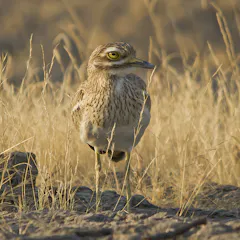
Conservationists have found a shortcut in the race to save Earth’s threatened species.

When we build marinas, ports, jetties and coastal defences we introduce hard structures that weren’t there before, and which reduce the amount of sunlight hitting the water.
Top contributors
-

Associate Professor in Entomology, University of Sydney
-
ARC Industry Fellow, Adelaide University
-
Associate Professor, Ecology, Northumbria University, Newcastle
-
Associate Professor in Zoology, Western Sydney University
-
Senior Ecologist, University of Sydney
-
Research Fellow in Comparative Psychology, University of Cambridge
-
Professor, School of Life and Environmental Sciences, University of Sydney
-
Professor, Deakin University
-
Professor, Marine Evolutionary Ecology, Monash University
-
Senior Lecturer in Environmental Earth Science, Deakin University
-
Lecturer, School of Life and Environmental Sciences, University of Sydney
-
Senior Lecturer and Senior Research Associate, Cornell University
-
Associate Professor, Monash University
-
Conservation biologist, Queensland University of Technology
-
Research officer, Institute for Molecular Bioscience, The University of Queensland