
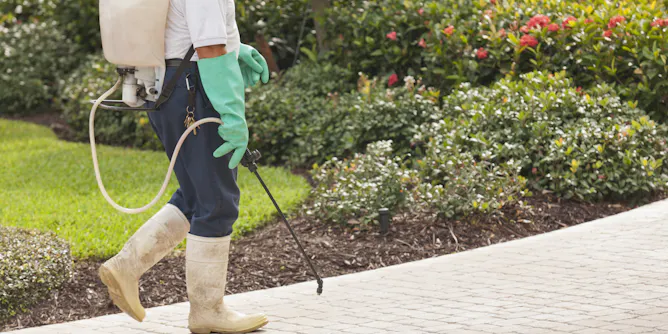
A new review looked at 1,734 people with amyotrophic lateral sclerosis (ALS). But it couldn’t separate pesticide from other risk factors, such as head trauma.
Articles on Pesticides
Displaying 1 - 20 of 194 articles

There’s no such thing as a ‘chemical-free’ life, but some simple steps can help you minimize exposures to daily chemicals.
Paraquat is banned in dozens of countries – but this cheap imported herbicide is everywhere in Australia.
Current pesticides are already failing – but science points to a way forward.
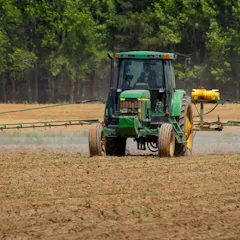
Paraquat is one of the most widely used herbicides around the world. An expert explains what we know about the risk of Parkinson’s disease.

Researchers developed a dual-function biodegradable wash that removes surface pesticide residues and forms a thin protective layer to help fruit stay fresh longer.

A small conference study sparked headlines linking fruit to lung cancer. Here’s why the science tells a very different story.

Farming areas that use lots of fertilizers and pesticides stood out for the swift and accelerating decline of their bird populations.
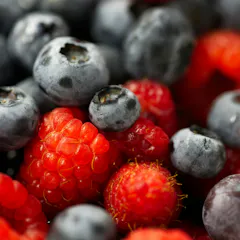
Australia’s love affair with berries has prompted new advice about a common pesticide. But the risk of harm is low.

Just a few years ago, agricultural drones were expensive, small and difficult to use, limiting their appeal to farmers. No longer.
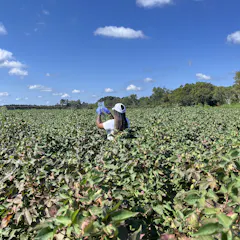
AI can help farmers be more effective and sustainable, but its use varies from state to state. A project in Georgia aims to bring the technology to the state’s cotton farmers.
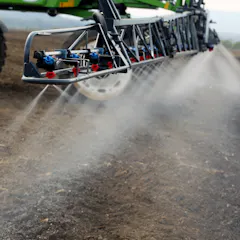
A recent study of nearly 200 European wheat farms found 73 different pesticides – including in organic fields.

Pesticides have polluted waterways worldwide. Understanding the subtle effects of these chemicals on fish behaviour can help guide better policy and regulation.

Federal regulations govern which pesticides can be used and give specific directions for applying them. Ignoring those directions is a violation of federal law.

Insects are often under pressure from several threats at once, from pesticides to habitat loss to pollution.
BPA is an endocrine disruptor widely used in plastics.

A South African government intervention is addressing the symptoms of the 2024 outbreak of food-borne illnesses, not the underlying causes.

Responsible use of flea treatments could protect both pets and wildlife.

The world’s largest indoor vertical farm closed its doors in late 2024, capping a bad run for this fledgling sector.

Give a bacteria-fungi biofilm access to sweetened tea and you can make not only kombucha – but a fibre vital to making clothing.
Top contributors
-

Senior Lecturer in Pharmacology, Adelaide University
-
Professor of Biology (Evolution, Behaviour and Environment), University of Sussex
-
Lecturer in Ecology, University of New England
-
Professor, School of Medicine, University of Connecticut
-
Vice Chancellor's Research Fellow in Ecology and Entomology, Edith Cowan University
-
Professor/Professeure titulaire, Eau Terre Environnement Research Centre, Institut national de la recherche scientifique (INRS)
-
Professor of Entomology and Extension Specialist, Penn State
-
Senior Visiting Fellow, School of Medical Sciences, UNSW
-
Emeritus Professor of Biology, University of Bath
-
Executive Director, Swette Center for Sustainable Food Systems, Arizona State University
-
Associate Professor, Department of Entomology; African-American Studies, University of Illinois Urbana-Champaign
-
Clinical Associate Professor, School of Medical Science & Sydney Infectious Diseases Institute; Principal Hospital Scientist, University of Sydney
-
Professor; Dean, Melbourne School of Land and Environment, The University of Melbourne
-
Associate, Sustainability Science, Harvard Kennedy School, Harvard University
-
Associate professor, University of Nebraska – Kearney