
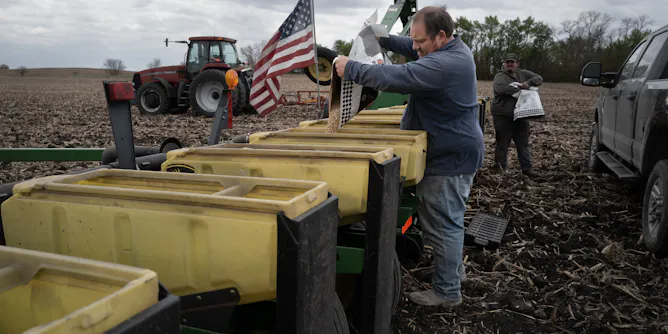
When huge companies assert their patents, smaller businesses and public plant breeders are dissuaded from conducting research that might not be illegal at all.
Articles on Seeds
Displaying 1 - 20 of 53 articles
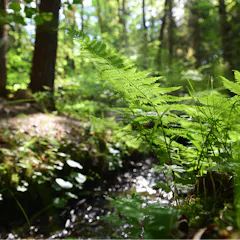
Plants changed the atmosphere, built soil and created ecosystems that allowed animals like us to thrive. But first they had to make their way from the water to the land.
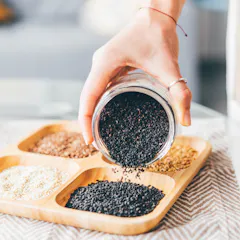
Black sesame is a hit on social media. Let’s see if its apparent health benefits stack up.
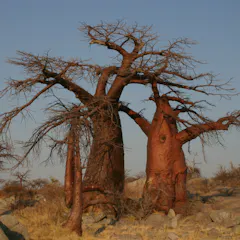
New research shows that baobab tree flowers have adapted to meet the needs of either bats or moths, and without these creatures, the trees will not survive.
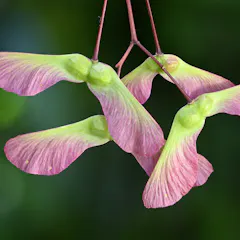
Spinning maple seeds can shed raindrops in the blink of an eye to regain their helicopter-like flight.

Evolution is often depicted as a steady forward march from simple to complex forms. But new research shows that certain ferns can evolve ‘backward.’
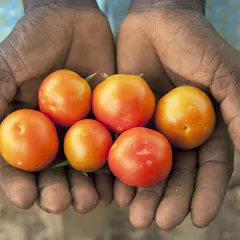
Africa has a hunger crisis: it’s time to change the approach to agriculture.
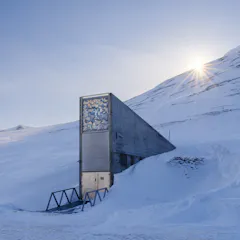
The Svalbard Global Seed Vault has a practical mission – protecting seeds as a backup for seed banks around the world – but inspires strong cultural, political and artistic reactions.
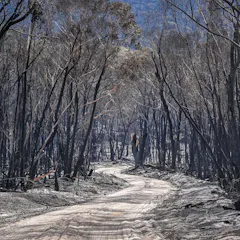
Seeds buried in the soil tell of fire in the landscape. I sampled soil from 57 sites that experienced different patterns of fire. Over 15 months, I watched 39,701 plants grow to learn their secrets.
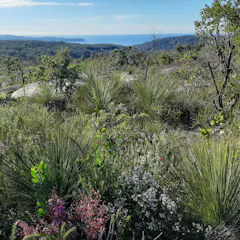
The need to restore native vegetation is clear, but we can’t properly repair nature without good, diverse supplies of native seeds.
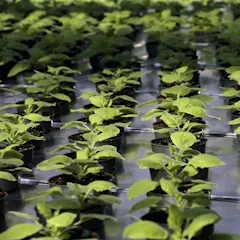
A research accident in the Binder lab at the University of Tennessee led to an unprecedented discovery about how plants respond to a hormone called ethylene.

Did the Green Revolution, which brought high-tech agriculture to developing nations in the 1960s, prevent famine? Recent research takes a much more skeptical view.

Humans have figured out how to season their food with virtually every part of plants.
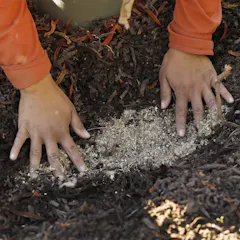
Native plants help damaged landscapes by stabilizing soil, fighting invasive species and sheltering pollinators. Two horticulture experts explain what they’re doing to help develop new seed sources.
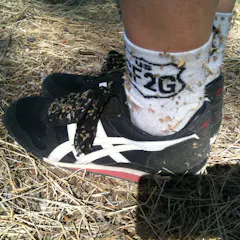
Invasive species cause billions of dollars in damage across the US every year. Hikers and backpackers can take simple steps to avoid spreading seeds and making the problem worse.
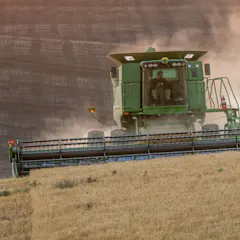
Corporations restrict what farmers can do with their own seeds, as well as their farm equipment when it breaks down.

A literature professor suggests some classic reads to curl up with when it is cold.
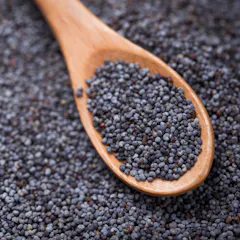
Affected poppy seeds made into a tea have led to seizures and cardiac arrests.

Mangroves support a significant amount of biodiversity and their soils can capture a great deal of carbon.

Studies suggest that seeds coated with neonicotinoid insecticides may harm nontarget insects, mammals and birds. In response, states are starting to restrict use of these products.
Top contributors
-

Professor of Entomology and Extension Specialist, Penn State
-
Associate Professor in History of Modern Science and Technology, University of Cambridge
-
Senior Lecturer in Natural Resources and Development, University of East Anglia
-
University of Antwerp
-
Assistant professor, Université de Mons
-
PhD Candidate, GPEM, The University of Queensland
-
Research Fellow in International Development, University of East Anglia
-
Professor and DSTI/NRF SARChI Bio-economy Research Chair, University of Cape Town
-
Emeritus Professor of Geological Sciences and Paleobotany, Indiana University
-
Professor of Sociology and Associate Dean for Research & Graduate Affairs, College of Liberal Arts, Colorado State University
-
Postdoctoral researcher, Université catholique de Louvain (UCLouvain)
-
Senior research fellow, KU Leuven
-
Post Doctoral Researcher, Université catholique de Louvain (UCLouvain)
-
PhD student, University of Cologne
-
Professor in Development Studies, Université catholique de Louvain (UCLouvain)