
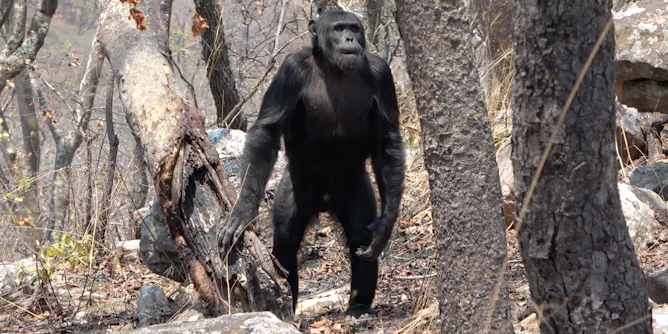
Almost all theories of human bipedalism explain it as a terrestrial adaptation. A new study does not support that view.
Articles on Tanzania
Displaying 101 - 120 of 356 articles

Traditional research outputs like journal articles don’t often give voice to communities’ stories.

The East African Court of Justice has been a keen promoter of the rule of law, democracy and human rights.

Education is important for girls’ future earning power and the promotion of their lifelong health and socioeconomic well-being.
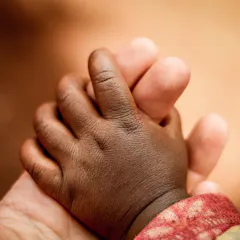
Eight countries are projected to be behind 50% of the growth in population over the next three decades. Five are in Africa.
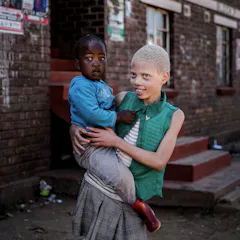
In Tanzania, only 2% of people born with albinism will live to the age of 40.
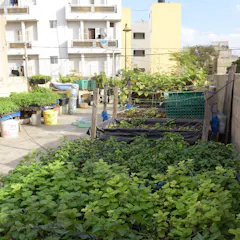
Green spaces have the potential to reduce heat and improve health, especially in urban areas.

Tazara upgrade requires huge capital but new tracks could be incompatible with the existing Southern Africa rails.
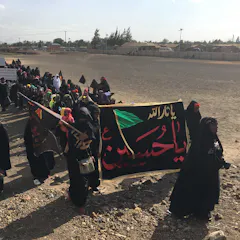
A variety of cultural performances evoking intense emotions occur during the Islamic month of Muharram. A scholar observed the processions on Ashoura in northern Tanzania.

The lack of a system to support youth development is just one reason why Tanzania, Kenya and Uganda have produced few top footballers.
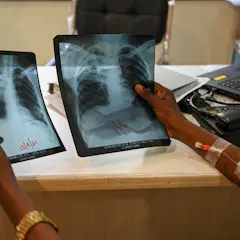
To understand the perceptions of TB patients about their quality of life, it’s useful to have a comparison with “apparently healthy” people.

Kenya’s ethnic-based politics often leads to electoral violence that hurts regional trade.
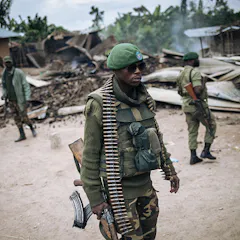
Violence in the DRC can be brought to an end if the geographical scope of the conflict is broadened to include all neighbouring countries.
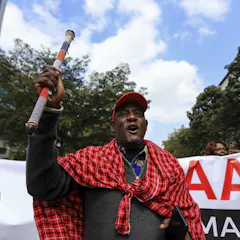
Just over 100 years ago, Maasai in Kenya were moved into reserves, where they could be more easily taxed and controlled, to make way for white settlement.
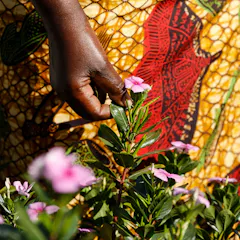
Thousands of plant species are used in African traditional medicine. Extracts from some of these plants are part of important pharmaceutical drugs.
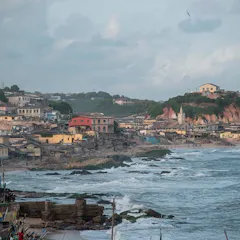
Intermediary cities have a vital role to play in the economies of African countries.
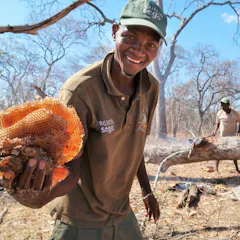
Cooperating with honeyguides has been found to increase food security. It facilitates cultural traditions and enables income or trade.
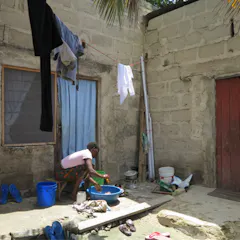
Informal settlements in Dar es Salaam are highly vulnerable to the health effects of heat.
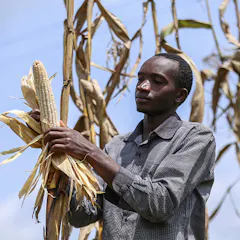
Stricter measures had major impacts on farmers’ livelihoods and food security.
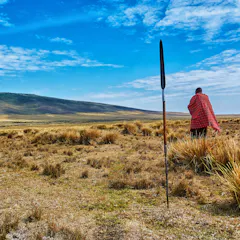
Instead of evicting pastoralists from their ancestral land, more effort must be made to create new opportunities for them.
Top contributors
-

Researcher, United States International University
-
Lecturer, Tumaini University Makumira
-
Assistant professor, University of Sussex
-
Post-Doctoral Research Fellow, SARChI in Higher Education and Human Development Research Group, University of the Free State
-
PhD Candidate, Department of Political Science and Public Administration, University of Nairobi
-
Senior Lecturer in Politics and International Relations, University of East London
-
Professor of Democracy, University of Birmingham
-
Research Associate Plant Systematics, Bayreuth University
-
Associate Professor of International Studies, University of Nottingham
-
Lecturer in Wildlife Conservation
-
Professor of French and Critical Disability Studies, Lancaster University
-
Asso. Professor in Anthropology, University College London, UCL
-
Professor of Disease Ecology and Public Health, University of Glasgow
-
Senior Lecturer in Social Work, Australian Catholic University
-
Researcher, SAMRC/Centre for Health Economics and Decision Science- PRICELESS SA, University of the Witwatersrand