
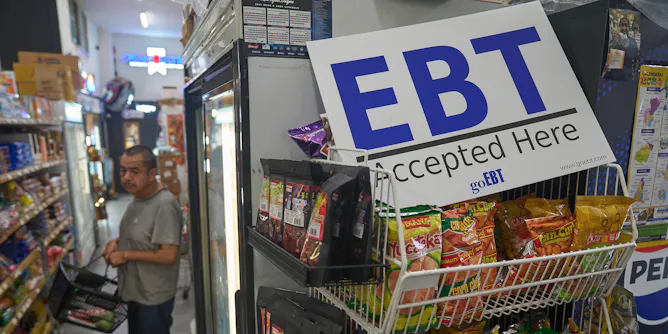
Many convenience stores, corner markets, bodegas and other small stores will have to make changes if they want to continue to accept SNAP benefits.
Articles on Food
Displaying 41 - 60 of 1048 articles
Wastage of edible food means lost calories, lost money and a growing climate problem.
The world is too dependent on the Gulf states for energy and fertiliser.

Researchers developed a dual-function biodegradable wash that removes surface pesticide residues and forms a thin protective layer to help fruit stay fresh longer.
UPFs dominate health debates, yet researchers still disagree on what the term means and how useful it really is.

Combining more than 15,000 reports from 36 states, researchers estimate that recreational fishing puts $3 billion worth of food on Americans’ tables each year.

Pollinators support our nutritional health and are critical for crops of fruit, vegetables and beans.
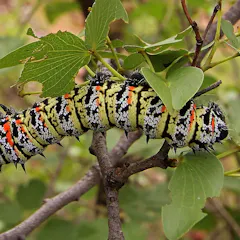
Mopane worms are an important source of food security and cash income for some rural households.
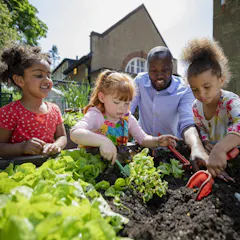
In an urbanized and globalized world, most kids aren’t directly connected to agriculture. School gardens can help them learn where their food comes from.

Through fossilized tooth enamel, scientists are reconstructing the diets and landscapes that existed millions of years ago. We really are what we eat.
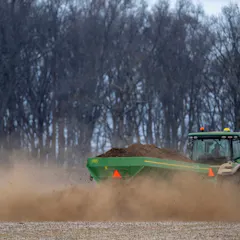
Fertilizer is more expensive and in shorter supply. Without the right amounts of fertilizer at specific times, yields drop, food prices increase and food shortages result.

Thankfully, it’s possible to get over your ‘ick.’
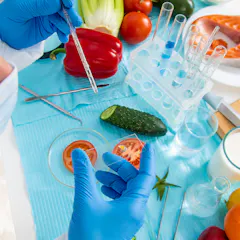
Intensive antibiotic use in farming has created the ideal conditions for resistant bacteria, viruses and fungi to develop.

There is a lot more to healthy eating than what’s on your plate. How, why and when you eat also matters. Here are 3 tips to get started.

Cheap, quick and simple, this dish overcomes many barriers young people say stop them cooking at home. But what about the nutritional content?
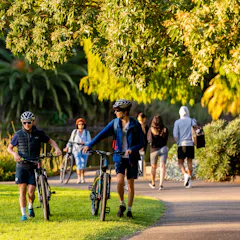
For many citydwellers, parks are sanctuaries, But they may also be home to harmful pathogens.
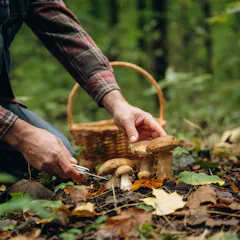
Throughout history people have foraged for local foods and used them in cooking, so what’s changed in the last few decades?
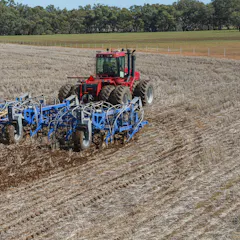
Australia gets half its urea – a crucial nitrogen fertiliser – from countries now impacted by the war. But research suggests higher food prices aren’t a given.

In both the UK and Japan, people who trusted the government were more willing to pay extra for organic food.

Without this form of fertiliser, crops will not produce yields on which the world’s population depends, leaving people starving.
Top contributors
-

Associate Professor of Hospitality Management, Colorado State University
-
Director, Agri-Food Analytics Lab, Professor in Food Distribution and Policy, Dalhousie University
-
Director of the Arrell Food Institute and Professor in the Dept. of Geography, Environment and Geomatics, University of Guelph
-
Professor of Food Policy, City St George's, University of London
-
Professor of Community Health and Wellbeing, The University of Queensland
-
Professor, Food Economics, University of Guelph
-
Senior Lecturer in History, University of Waikato
-
Catedrático de Nutrición y Bromatología del Departamento de Medicina Preventiva y Salud Pública, Universitat de València
-
Program Director of Nutrition and Food Sciences, Accredited Practising Dietitian, Adelaide University
-
Senior Lecturer, Nutrition and Food Science, Australian Catholic University
-
Honorary Associate Professor, University of Leicester
-
Senior Lecturer in Geography, University of Sheffield
-
Accredited Practising Dietitian and Lecturer, Southern Cross University
-
Professor, Dept of Food, Agricultural and Resource Economics, University of Guelph
-
Visiting Research Fellow in Philosophy, University of Hertfordshire