
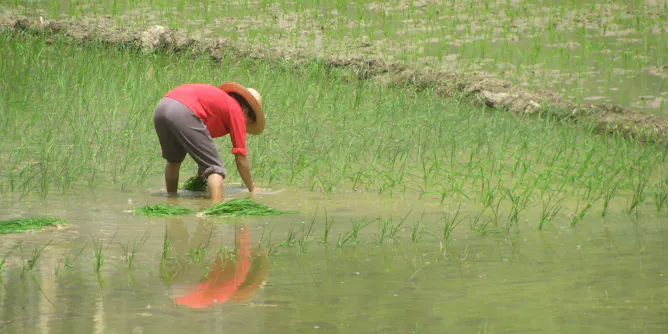
As atmospheric carbon dioxide levels rise, rice plants produce fewer vitamins and other key nutrients. This could worsen hunger, malnutrition, child stunting and other diet-related health problems.
Articles on Food security
Displaying 341 - 360 of 559 articles

Sausages, bacon, eggs, mushrooms, tomatoes, beans, bread and hash browns. All are accounted for.
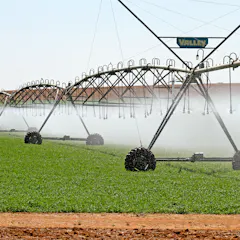
South Africa’s land reform debate must not lose sight of the real issue: how to provide enough food to feed its people.
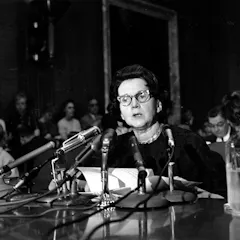
Did Rachel Carson catalyze the organic farming movement, as many advocates claim? Or would she reject their ban on synthetic fertilizer and see organic as an inefficient way to feed the world?
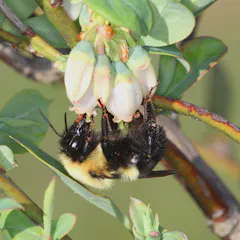
Honeybees receive a lot of attention, but the first North American bee to be listed as an endangered species is a wild bumble bee. Wild bees are vital pollinators, and some are declining rapidly.
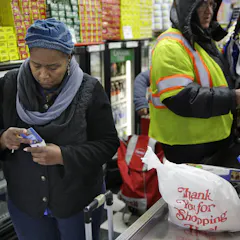
Cutting the program formerly known as food stamps would hurt low-income Americans and the whole economy.
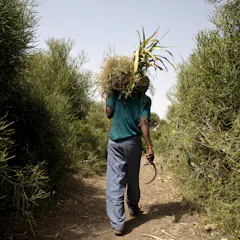
Africa’s declaration to boost agriculture on the continent has seem some progress but a lot still needs to be done.
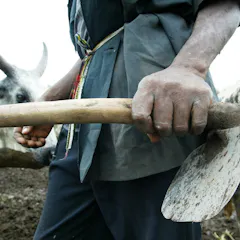
Civil conflict, displacement, rising food prices, and climate change all cause food insecurity in Nigeria.
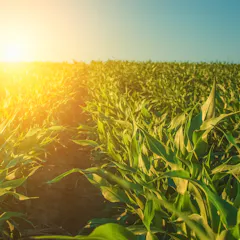
New research finds more CO₂ can actually make most plants smaller in the long-term - but the story for crops isn’t so simple.
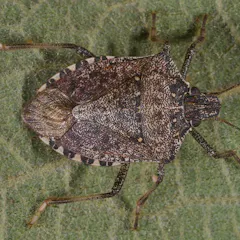
An invasive insect native to Asia, Halyomorpha halys, has been detected in the US, Canada and southern Europe. It’s now made its debut in Paris.
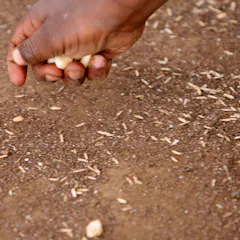
Post-harvest management will reduce losses and improve food availability.

When present in the lowest atmospheric layer, ozone becomes a concern for human and plant health.
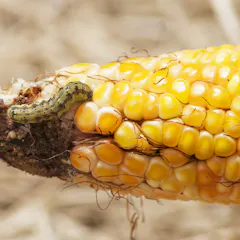
Farmers needs a way to manage harmful insects without destroying the ecological balance.

Many critics say that fish farms mainly sell their output to wealthy countries and don’t provide much benefit to poor people in producing countries. Three aquaculture experts show why this view is wrong.

In periods of water stress, farmers need support, research assistance and empathy from governments and competing water users.
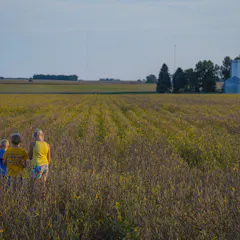
Congress is drafting the 2018 farm bill, which will guide agriculture, nutrition, trade and rural development policy. A former agriculture secretary explains how this bill reaches far beyond farms.
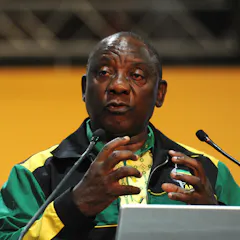
Free university education and land redistribution without compensation have far-reaching implications for South Africa’s economy, and requires exceptional leadership.
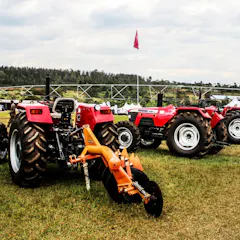
There were some African food security initiatives from 2017 that deserve a special mention for the precedent they set.
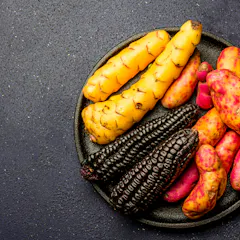
Over half the calories humans eat today come from corn, wheat and rice. Raising a greater diversity of types of crops and animals (agrobiodiversity) makes diets healthier and farming more resilient.
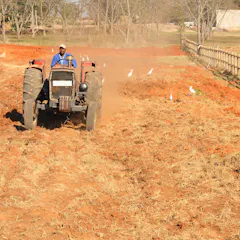
Mechanisation of agricultural activity can help many African countries unlock underutilised agricultural potential. But there are serious obstacles which must be removed.
Top contributors
-

Senior Fellow, Department of Agricultural Economics, Stellenbosch University
-
Associate Professor in Food Systems, The University of Melbourne
-
Research Fellow, Tegemeo Institute, Egerton University
-
Associate Professor, Department of Entomology; African-American Studies, University of Illinois Urbana-Champaign
-
PhD, Political Economy, Macquarie University
-
Professor of Food Policy, City St George's, University of London
-
Researcher in sustainable food systems, The University of Melbourne
-
Director of the Arrell Food Institute and Professor in the Dept. of Geography, Environment and Geomatics, University of Guelph
-
Network and Research Manager: ARUA – UKRI GCRF FSNet Africa, University of Pretoria
-
Professor in Food Security; Head of the Department of Agricultural Economics, Extension and Rural Development, University of Pretoria
-
Emeritus Fellow in Plant Biochemistry, University of Westminster
-
Professor of Social Development Studies, University of Johannesburg
-
Food Systems Research and Partnerships, The University of Melbourne
-
Adjunct Professor, Curtin Business School, Curtin University
-
Climate Scientist and Researcher, University of Cape Town