
Rapid industrialisation and infrastructure development in developing countries have propelled the growth of the nonylphenol market.
Articles on Food security
Displaying 281 - 300 of 559 articles

Continuing flour shortages in supermarkets highlight a fundamental food security problem in distribution systems.
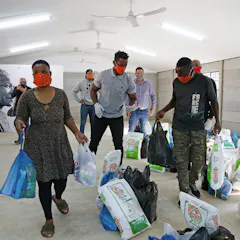
More effort must go into building synergies between emergent local efforts and the government response.
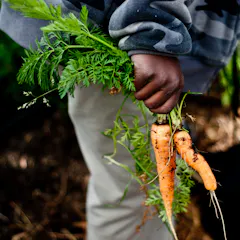
Victory gardens were popular during wartime, and have made a comeback during the current pandemic.
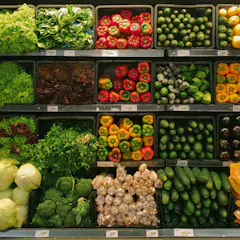
Food is essential to survival. It is also essential to identity. During times of national crisis like the coronavirus pandemic and in the historical landscape, food issues become prominent.

Local fish are almost impossible to find on the shelves of grocery stores in northern Ontario, even though the region has an abundance of fish.

Local people are caught in an impossible situation – stay home and starve or venture out to buy food, potentially bringing the virus home too.

After the brief shock of food insecurity in the form of empty supermarket shelves, we might start thinking about having a Plan B and C based on local food sources and shorter supply chains.

Mauritius relies on a strategy of being open to imports and exports.
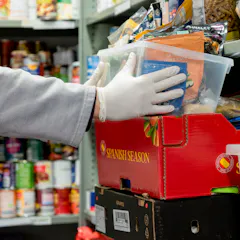
The government is focusing on the market to feed the UK but to avoid long-term risks and short-term emergencies a UK food plan is needed now
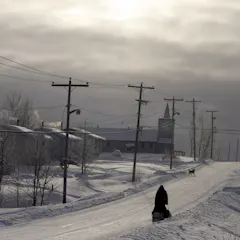
Canada’s public health-care system is one of the most well-developed in the world. And yet, many remote Indigenous communities are still not getting what they need.
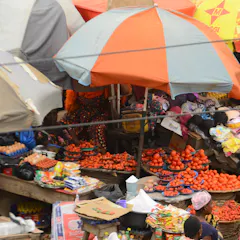
The potential exists for malnutrition to exacerbate the health consequences of the COVID-19 epidemic.
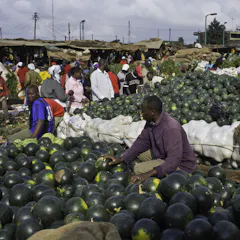
County governments and the health ministry should allow produce markets to operate in urban areas.
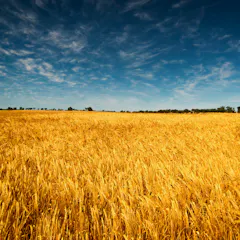
Almost all of the food we consume in Australia is made in Australia. We export far more than we import.
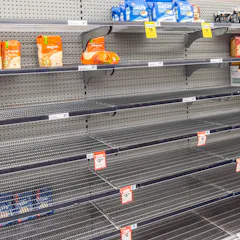
The sight of empty shelves has led some Australians to look for alternative ways to feed themselves and their families. This is what history can teach us.
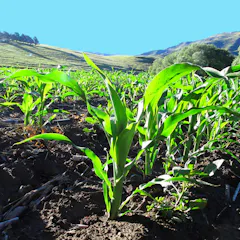
CC BY-NC-ND6.59 MB (download)
Taking a look at food supply chains in South Africa during the lockdown.

And why development funders should listen to smallholder farmers
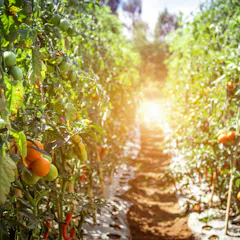
This transformation provides lessons for the rest of world, for shifting away from chemical agriculture towards a healthier system for people and the planet.
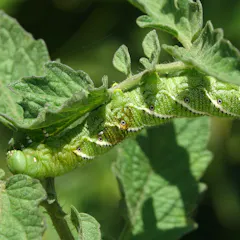
Plants have evolved techniques for protecting themselves from heat and insect attacks – but when both these stresses happen at once, one defense may neutralize the other.
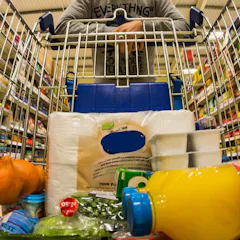
With people panic buying and supermarket shelves empty, the country’s ability to feed itself is being tested.
Top contributors
-

Senior Fellow, Department of Agricultural Economics, Stellenbosch University
-
Associate Professor in Food Systems, The University of Melbourne
-
Research Fellow, Tegemeo Institute, Egerton University
-
Associate Professor, Department of Entomology; African-American Studies, University of Illinois Urbana-Champaign
-
PhD, Political Economy, Macquarie University
-
Professor of Food Policy, City St George's, University of London
-
Researcher in sustainable food systems, The University of Melbourne
-
Director of the Arrell Food Institute and Professor in the Dept. of Geography, Environment and Geomatics, University of Guelph
-
Network and Research Manager: ARUA – UKRI GCRF FSNet Africa, University of Pretoria
-
Professor in Food Security; Head of the Department of Agricultural Economics, Extension and Rural Development, University of Pretoria
-
Emeritus Fellow in Plant Biochemistry, University of Westminster
-
Professor of Social Development Studies, University of Johannesburg
-
Food Systems Research and Partnerships, The University of Melbourne
-
Adjunct Professor, Curtin Business School, Curtin University
-
Climate Scientist and Researcher, University of Cape Town