

New research shows both adults and kids are eating more nutritious food. But minorities and low-income populations still lag behind the rest.
Articles on Food security
Displaying 241 - 260 of 559 articles

The ongoing coronavirus pandemic has further destabilized global food chains supplies. Technological innovations like blockchain can help address these challenges.
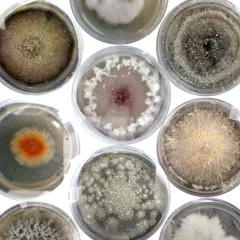
The idea that seed banks must be full of potentially helpful microfungi inside seeds was not a stretch, and yet no one had ever looked before.
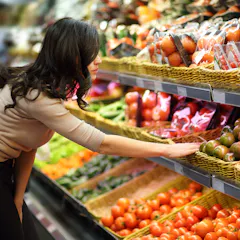
Food insecurity affected many students even before the pandemic hit, with international students the worst hit. But students and universities have shown a lot can be done to end the problem.
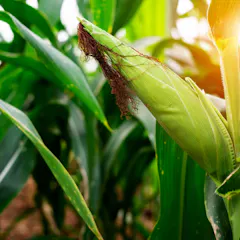
Large-scale droughts can have cascading impacts on food security. They can reduce yield, increase food prices, trigger changes in consumption and lead to unstable supply.
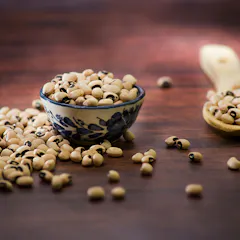
Indigenous foods such as cowpeas can improve people’s nutrition and help them cope with the hunger brought about by the effects of COVID-19 on foreign food imports.
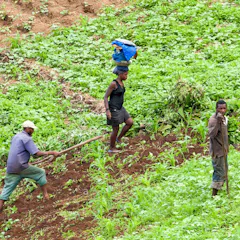
Indigenous beans could enhance food security in Cabo Verde which depends on food imports.
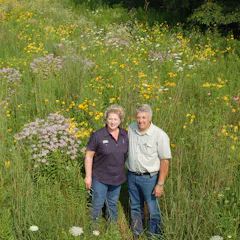
It’s possible to feed the world’s 7.8 billion people with more environmentally friendly farming practices. Here’s how.

Africa’s key to future food-nutrition security may depend on the untapped potential of indigenous fruit trees.
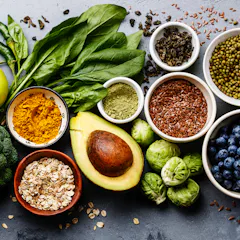
Food safety agencies have assessed the risk of acquiring COVID-19 from contaminated food or food packaging. They found that currently, there’s no evidence that the virus is a food safety risk.
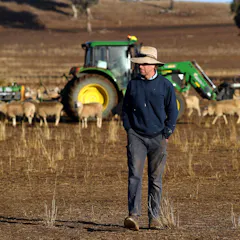
The US is formally back in the Paris climate agreement as of today. As one of the world’s largest greenhouse gas emitters, it has a lot of work to do, with food security, health and safety at stake.
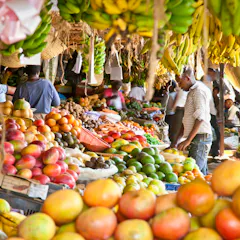
When a pandemic hits, questions that immediately arise include what impact there will be on public health, the economy and other aspects of society. Another set of questions involves response priorities…
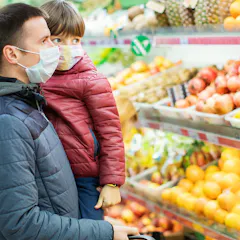
With the UK government creating hostilities with the EU, its hopes of switching to other food sources would take years to settle.

Fish farms feed millions of people around the world, but they also consume a lot of fish that are dried or ground up to make aquafeed. Researchers are developing more sustainable alternatives.
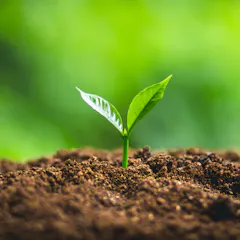
Healthy soils are vital for food, biodiversity, and a healthy planet, but this below-ground world is often overlooked. The launch of the State of Knowledge of Soil Biodiversity Report highlights this.
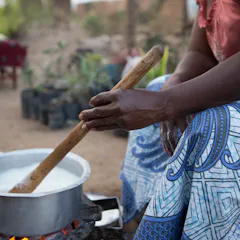
Food security emerged as a major issue for women nearing the end of their lives in Malawi.
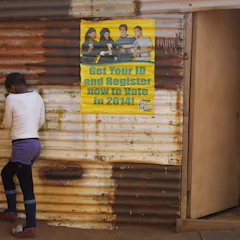
Some caregivers reported seeing improvements in their children’s schoolwork and behaviour at school.

Most of the wastewater produced worldwide receives no treatment and the nutrients in wastewater go to waste. Here’s how households can draw these nutrients from urine and use them as fertilisers.
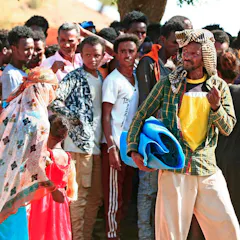
Food security in Tigray was becoming critical even before the current armed conflict.
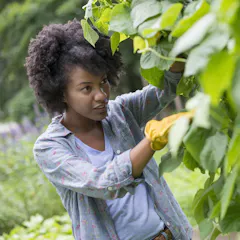
Between the 1950s and the present day, there has been a 65% reduction in allotment land in the UK.
Top contributors
-

Senior Fellow, Department of Agricultural Economics, Stellenbosch University
-
Associate Professor in Food Systems, The University of Melbourne
-
Research Fellow, Tegemeo Institute, Egerton University
-
Associate Professor, Department of Entomology; African-American Studies, University of Illinois Urbana-Champaign
-
PhD, Political Economy, Macquarie University
-
Professor of Food Policy, City St George's, University of London
-
Researcher in sustainable food systems, The University of Melbourne
-
Director of the Arrell Food Institute and Professor in the Dept. of Geography, Environment and Geomatics, University of Guelph
-
Network and Research Manager: ARUA – UKRI GCRF FSNet Africa, University of Pretoria
-
Professor in Food Security; Head of the Department of Agricultural Economics, Extension and Rural Development, University of Pretoria
-
Emeritus Fellow in Plant Biochemistry, University of Westminster
-
Professor of Social Development Studies, University of Johannesburg
-
Food Systems Research and Partnerships, The University of Melbourne
-
Adjunct Professor, Curtin Business School, Curtin University
-
Climate Scientist and Researcher, University of Cape Town