
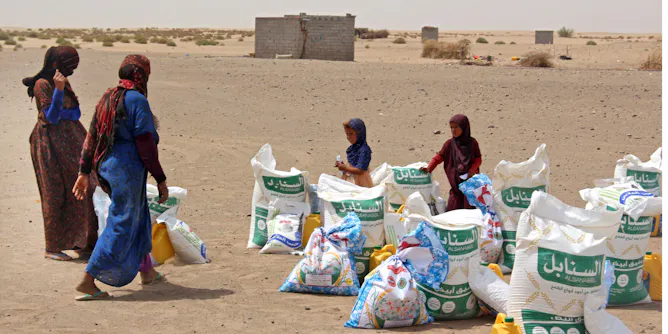
Grain and fertilizer shortages, higher shipping costs and a strong dollar are all pushing food prices up and increasing hunger in dozens of vulnerable countries.
Articles on Food security
Displaying 181 - 200 of 559 articles
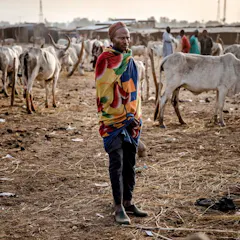
Under certain conditions, climate can amplify security risks, with implications for lasting peace.
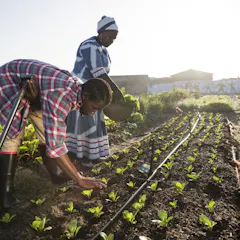
South Africa needs a more holistic approach to farming systems.
Environmental catastrophe, war, a worldwide pandemic. What does this mean for feeding the world today and in the future?

Crisis is a given for resource-poor households globally, but — in the absence of supportive policies — so are these careful strategies of self-provisioning and mutual aid.

Grocers must find a way to add value and affordability for consumers.

Rising food prices points to famine later this year in Ukraine and elsewhere – here’s what we can learn from the past.
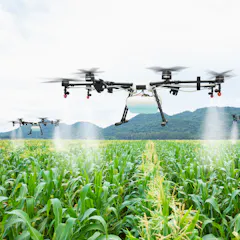
Artificial intelligence is at the forefront of the fourth agricultural revolution. Here are some of the risks we need to be aware of when it comes to agricultural AI – and how to lessen them.

Ultra-processed foods that contributed the most dietary energy for Aussies included ready-made meals, fast food, pastries, buns, cakes, breakfast cereals, fruit drinks, iced tea and confectionery.
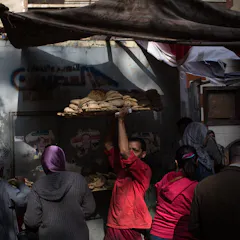
Viewed from Cairo, the war in Ukraine poses an existential threat to something Egyptians can’t do without: abundant, cheap bread.
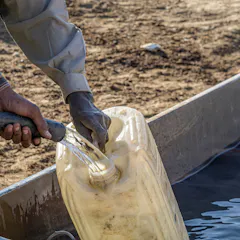
Groundwater has the potential to support broad economic, humanitarian and social development in sub-Saharan Africa, as it has in other regions globally.
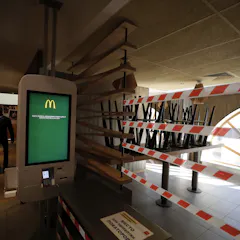
The shock waves from Russia’s invasion of Ukraine rippling through world energy, food and trade supply lines are profound, but not big enough to split the global economy
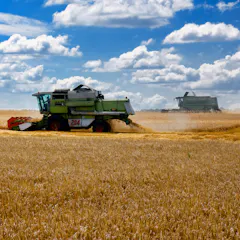
The Russian invasion of Ukraine will have global impacts far beyond the region directly involved in the fighting. Food prices will increase, and the effects will be felt by the most vulnerable.
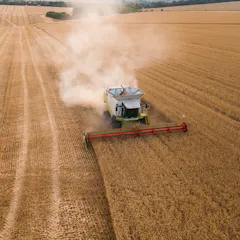
Food prices already rose sharply during the pandemic, and they’re only going higher.

Nigeria needs a new constitution to address its multi-faceted problems.
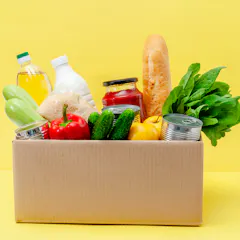
Food is a fundamental human right. But governments have left it to charities and food suppliers to step in after disasters. That has to change as climate change throws up greater stresses.
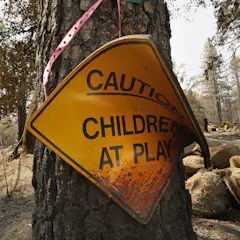
The author’s 9-year-old son will likely face about four times as many extreme events in his lifetime as older adults today. An international report explains the impacts already being felt.
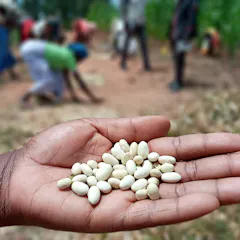
Reviving long-lost legume species could help improve global food security and decrease world hunger.
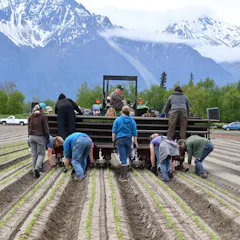
Homegrown tomatoes and corn in Alaska? Climate change could make it possible in the 2030s and ‘40s – a rare silver lining for this fast-warming state.
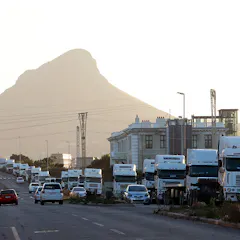
What’s in store for South Africa’s agricultural sector.
Top contributors
-

Senior Fellow, Department of Agricultural Economics, Stellenbosch University
-
Associate Professor in Food Systems, The University of Melbourne
-
Research Fellow, Tegemeo Institute, Egerton University
-
Associate Professor, Department of Entomology; African-American Studies, University of Illinois Urbana-Champaign
-
PhD, Political Economy, Macquarie University
-
Professor of Food Policy, City St George's, University of London
-
Researcher in sustainable food systems, The University of Melbourne
-
Director of the Arrell Food Institute and Professor in the Dept. of Geography, Environment and Geomatics, University of Guelph
-
Network and Research Manager: ARUA – UKRI GCRF FSNet Africa, University of Pretoria
-
Professor in Food Security; Head of the Department of Agricultural Economics, Extension and Rural Development, University of Pretoria
-
Emeritus Fellow in Plant Biochemistry, University of Westminster
-
Professor of Social Development Studies, University of Johannesburg
-
Food Systems Research and Partnerships, The University of Melbourne
-
Adjunct Professor, Curtin Business School, Curtin University
-
Climate Scientist and Researcher, University of Cape Town