
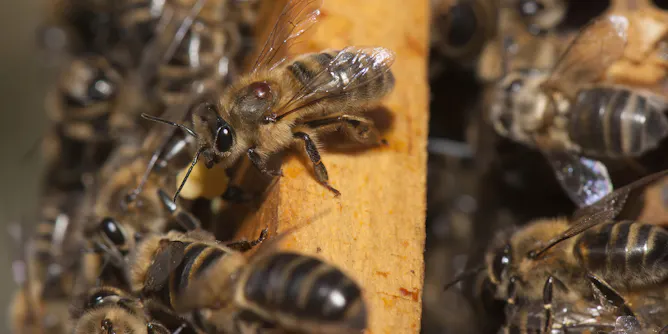
Australia is the last continent to be invaded by the dangerous honey bee parasite, and has an opportunity to be the first to eradicate it.
Articles on Food security
Displaying 121 - 140 of 559 articles

Biological and chemical substances are the most common food contaminants and account for over 200 food-borne illnesses.
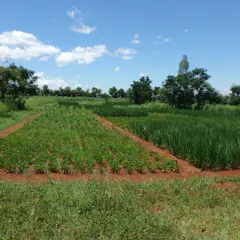
Growing legumes could at once provide African farmers with fertilisers and food crops. However, researchers warn this is not a one-size-fits-all solution.

Food forests are urban oases that pack a lot into small spaces, including food production, local cooling and social connections.

While recuperating heat from data centres to ease greenhouse energy demands is better than letting it go to waste, we must not overlook the complex implications of these two newly merging industries.
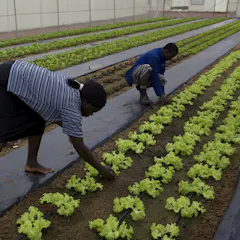
Urban farms can work in developing countries if farmers and architects are aware of conditions that favour food production in built spaces.

Growing meat in vats could help us prepare for climate change - and curb the environmental damage done by traditional meat. But only if we can scale it up.

A drop in food prices might immediately address the lack of economic access to food but will not address the root causes of food insecurity.
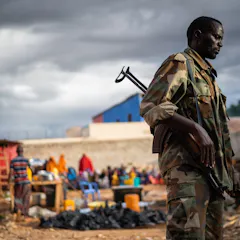
The negative effects of conflict on human capital – particularly nutrition, health and education – are larger than commonly thought.

Young Nigerians actively discuss politics and governance despite being kept on the sidelines. They seek a government that would promote their inclusion and solve problems affecting them.
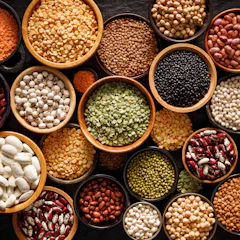
Pulses are important for many reasons. They are packed with nutrition, resilient and crucial for achieving food security in Africa.
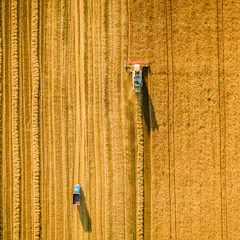
The end of an era of cheap food.

Security companies suggest that criminals take advantage of the fact that many home and business security systems get compromised during power outages.
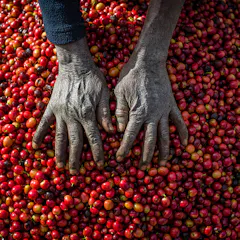
The findings show that Zambian agricultural policies do reduce headcount poverty and inequality.

Rapid increases in food prices due to inflation mean many Canadians may be making different food choices. Here are the possible short- and long-term effects of that, and some ways to save money.
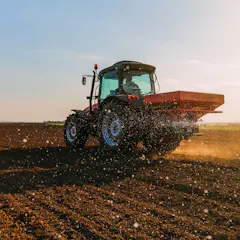
This crucial fertiliser component is mostly found in just five countries.
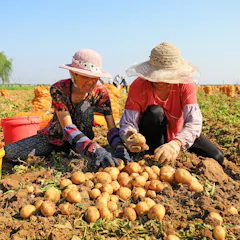
Why countries need to shift what their citizens eat, and what the optimum diet for our planet might be. Listen to The Conversation Weekly podcast.

Research suggests a meal prepared onsite is likely to be the most achievable way of rolling out school lunches in Australia.
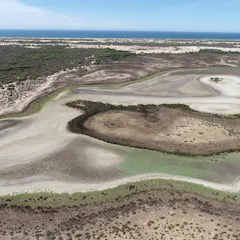
While we know how global changes in freshwater pose risks to humans and ecosystems, we know less about how people and ecosystems will respond to these global freshwater challenges.
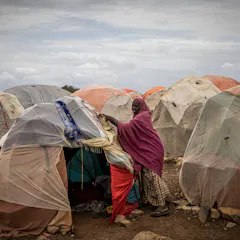
States with more capacity, more political inclusion and that make good use of foreign aid tend to see better outcomes.
Top contributors
-

Senior Fellow, Department of Agricultural Economics, Stellenbosch University
-
Associate Professor in Food Systems, The University of Melbourne
-
Research Fellow, Tegemeo Institute, Egerton University
-
Associate Professor, Department of Entomology; African-American Studies, University of Illinois Urbana-Champaign
-
PhD, Political Economy, Macquarie University
-
Professor of Food Policy, City St George's, University of London
-
Researcher in sustainable food systems, The University of Melbourne
-
Director of the Arrell Food Institute and Professor in the Dept. of Geography, Environment and Geomatics, University of Guelph
-
Network and Research Manager: ARUA – UKRI GCRF FSNet Africa, University of Pretoria
-
Professor in Food Security; Head of the Department of Agricultural Economics, Extension and Rural Development, University of Pretoria
-
Emeritus Fellow in Plant Biochemistry, University of Westminster
-
Professor of Social Development Studies, University of Johannesburg
-
Food Systems Research and Partnerships, The University of Melbourne
-
Adjunct Professor, Curtin Business School, Curtin University
-
Climate Scientist and Researcher, University of Cape Town