
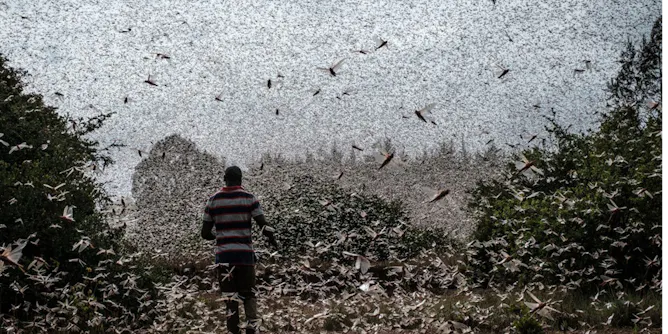
Trade regulation by rich countries against pests and disease is gradually making its way into the less developed nations. On top of safer foods, new research shows this could also bring sustainable growth.
Articles on Food security
Displaying 161 - 180 of 559 articles
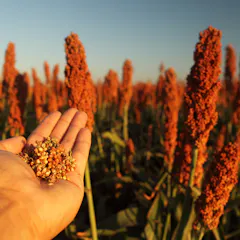
Known as ting or amazimba, indigenous sorghum is resilient and rich in cultural and health benefits – yet crops are declining.
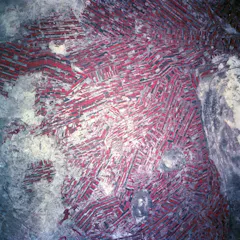
Technologies being developed for growing food in space have contributed to advances in agriculture and crops on Earth.
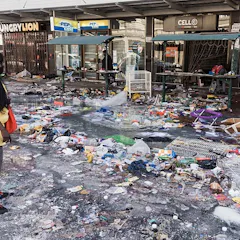
South Africa needs a multi-pronged strategy for building peaceful, sustainable neighbourhoods, communities, and a nation where the rule of law prevails.

Publicly accessible gardens are an essential part of our food system. It’s important for policymakers to understand that growing food in city gardens is central to health, food security and culture.

Getting enough iron is tricky – even if we eat enough, we might not absorb enough. But diversifying the menu and looking for fortified foods can help.
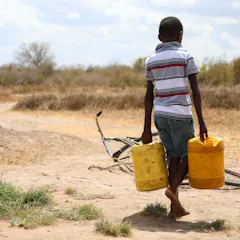
Counties have better knowledge of the impact of food insecurity on households but lack the will and capacity to tackle it.
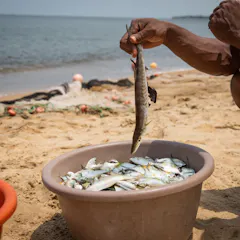
There is a need for better innovations and policies to help improve the fisheries sector in this region.
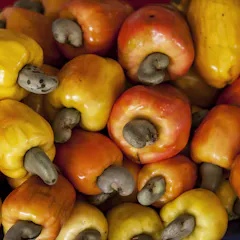
Nigeria can save money spent importing citric acid by producing it from cashew waste.
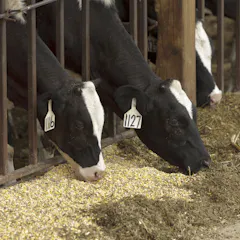
Feeding insects instead of grain to animals is an inexpensive, sustainable way to increase the world food supply. An animal scientist explains what’s involved in developing insect feed for cattle.
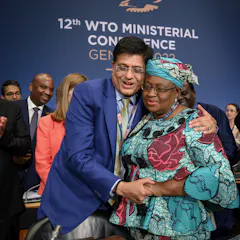
Meeting for the first time since 2017, the WTO’s highest decision-making body managed to agree on some things – including its first treaty with environmental protection as the objective.

Puerto Rico’s tourism industry is booming as nations lift COVID-19 travel restrictions, but development is displacing people who have lived along its coastlines for years.
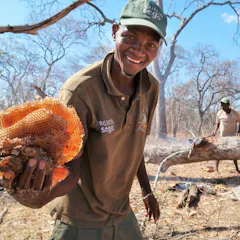
Cooperating with honeyguides has been found to increase food security. It facilitates cultural traditions and enables income or trade.
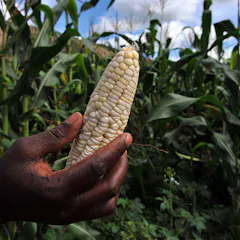
If small-scale farmers can’t afford to grow certified seeds – or can’t find them – food shortages would follow.

The herbicide revolution reduces the availability of edible weeds, which may undermine food and nutrition security.
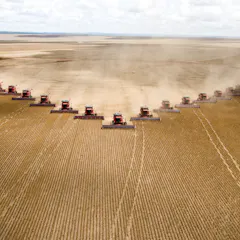
A new study finds that by 2030, less than one-third of the world’s major crop harvests will go directly to feed people.
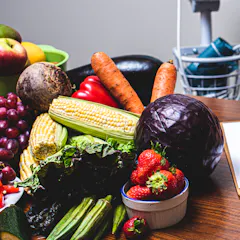
Food security is crucial to disease prevention and management, so prescribing healthy foods and reducing barriers to better diets makes sense. But food prescriptions should not be immune to scrutiny.
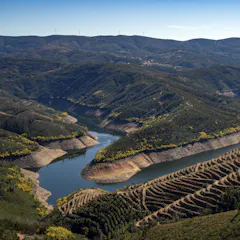
If the world overshoots its climate targets, drought could cause dryland areas to expand by a quarter and encompass half the Earth’s land area, threatening lives and livelihoods.
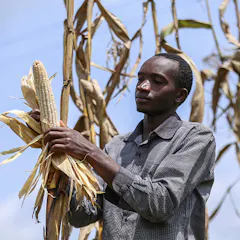
Stricter measures had major impacts on farmers’ livelihoods and food security.
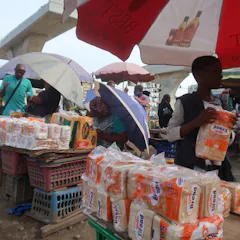
In the face of rising food prices in Nigeria, many salary earners have had to change the quality of foodstuff they buy or opt for cheaper alternatives.
Top contributors
-

Senior Fellow, Department of Agricultural Economics, Stellenbosch University
-
Associate Professor in Food Systems, The University of Melbourne
-
Research Fellow, Tegemeo Institute, Egerton University
-
Associate Professor, Department of Entomology; African-American Studies, University of Illinois Urbana-Champaign
-
PhD, Political Economy, Macquarie University
-
Professor of Food Policy, City St George's, University of London
-
Researcher in sustainable food systems, The University of Melbourne
-
Director of the Arrell Food Institute and Professor in the Dept. of Geography, Environment and Geomatics, University of Guelph
-
Network and Research Manager: ARUA – UKRI GCRF FSNet Africa, University of Pretoria
-
Professor in Food Security; Head of the Department of Agricultural Economics, Extension and Rural Development, University of Pretoria
-
Emeritus Fellow in Plant Biochemistry, University of Westminster
-
Professor of Social Development Studies, University of Johannesburg
-
Food Systems Research and Partnerships, The University of Melbourne
-
Adjunct Professor, Curtin Business School, Curtin University
-
Climate Scientist and Researcher, University of Cape Town