

How does the brain distinguish between the “self” and the “other”? A new study gives a clue.
Articles on Neuroscience
Displaying 381 - 400 of 866 articles

Some blind people seem to be able to see without being conscious of it.

Psychologists have identified the characteristics of ‘moral rebels’ who make the tough choice to stand up for their principles in the face of negative consequences.

With the county facing a crisis in emotional health, we may need two vaccines: one for COVID-19 and another for toxic stress. Here’s a technique for dealing with all that stress.

Students say they have a hard time studying and cognitive science proves they’re not trying to dodge work: there’s a link between negative emotions and difficulties in concentrating.
Neuroscientist Karl Friston claims generative modelling techniques produce more valid predictions than conventional models, but the evidence so far is limited.

Research shows napping helps young children learn, as well as enhancing their emotional well-being.

When we sing together, our social brains are activated to produce oxytocin, which makes us feel more connected.

Brain regions associated with threat and aversion are activated when we feel lonely and rejected.

With dreaded, invisible germs lurking on surfaces and in people, our surroundings are seen as a minefield – and we end up dulling one of our most valuable senses.

Brain science suggests that seniors care more about the welfare of others than younger folks do.

Up to 35% of mothers and fathers don’t fall in love with their baby immediately.

Faced with uncertain and anxious times, brains send out instructions to start stockpiling supplies – whether you’re a person facing a pandemic, or a rodent prepping for a long winter.

Infections like coronavirus can kill the nerves that let you smell, but they’ll usually grow back within weeks.

Sexual health experts say it’s a misconception that the cervix is insensitive, which can have implications for some medical procedures.

It takes time for information from our eyes to reach our brains and become part of our conscious experience. So our brains use predictions to make up the delay.

It can feel like everyone is stewing in anxiety about COVID-19 and seeing other people freak out can make you freak out more. A psychiatrist explains this phenomenon, and how to keep it in check.
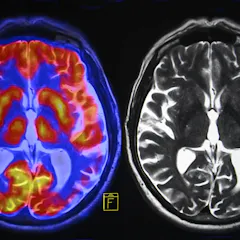
Chemical changes in the brain associated with chronic stress can put our cognition and mood under serious strain.

The internet is awash with videos that claim to use ‘binaural beats’ to improve your focus or relieve stress. But while they can influence your brain, the touted mood-enhancing effects may not be.
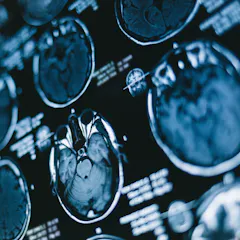
A new tool for seeing hotspots in the brain could help doctors detect neurological disorders.
Top contributors
-

Professor of Clinical Neuropsychology, University of Cambridge
-
Penn State
-
Postdoctoral Research Associate, Cognitive Neuroscience, University of Cambridge
-
Senior Lecturer (Adjunct), Nutritional neuroscientist, Adelaide University
-
Head of Developmental Psychobiology Lab, Deakin University
-
Postdoctoral Researcher in Cognitive Neurosciences, The University of Queensland
-
Senior Research Fellow, Uehiro Centre for Practical Ethics, University of Oxford
-
Professor of Anatomy, University of Bristol
-
Professor Emeritus of Cognitive NeuroImaging, Aston University
-
Professor of Cognitive Neuroscience, Bangor University
-
Senior Research Fellow, The Perron Institute for Neurological and Translational Science, and Faculty of Health Sciences, Curtin University
-
Associate Professor of Family & Community Medicine and Pediatrics, retired, University of California, San Francisco
-
Professor of Behavioral Neuroscience, University of Richmond
-
Lead, Cognition and Consciousness Imaging Group, Division of Anaesthesia, University of Cambridge
-
Associate Professor in Clinical Psychology and Neuropsychology, Trinity College Dublin