

Exercise can’t make up for a poor diet, but it can help change eating habits. Regular exercise improves the brain and cognitive processes that help regulate junk food consumption and reduces stress.
Articles on Neuroscience
Displaying 321 - 340 of 866 articles
Understanding how brain folding works could help researchers better diagnose and treat neurodevelopmental disorders.

The brain uses visual information and vibrations to substitute the missing sense of hearing.
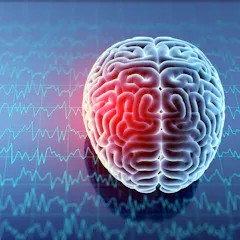
The molecule C1q has both protective and detrimental effects after traumatic brain injury. Blocking it after injury in mice restored normal brain rhythms during sleep and prevented epileptic spikes.

Foreign graduate students in the US face a slew of obstacles when it comes to advancing their research careers. Four international Ph.D. students in neuroscience offer some suggestions.

A better understanding of language and its neuroscientific basis would help us handle linguistic issues throughout our lives.

There is a lot to consider when buying a new pair of headphones. A professional musician and acoustics researcher explains how the science of sound and quirks of human hearing make for a great listening experience.

Errors don’t necessarily mean your mind is faulty. They may actually be a sign of a cognitive system with limited capacity working efficiently.
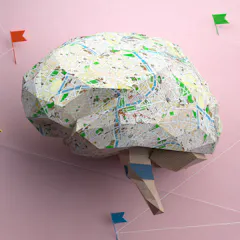
Scientists have been mapping the brain for centuries. New visualization tools bring them one step closer to understanding where thoughts come from and new ways to treat neurological disorders.
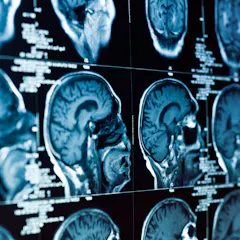
We used brain imaging techniques to show these two activities engage the same region of the brain. Then we wanted to find out more.

Some people do inherit traits which promote dance ability - but with hard work almost anyone can learn to dance well due to the plasticity of the brain
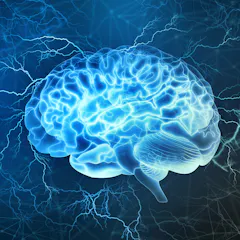
Our research suggests the multiplication of protein aggregates in individual regions of the brain, rather than their spread between regions, is key to the progression of Alzheimer’s disease.

If a friend seems to be immune to your spooky, ghost story this Halloween, ask them if they can see the story unfold in their mind’s eye.
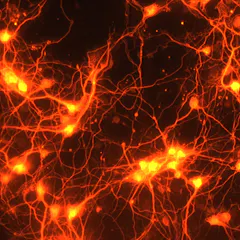
From robotic hands to brain-like computers, the Human Brain Project has produced some intriguing results.
Plus, how a team of musicologists and computer scientists completed Beethoven’s unfinished 10th Symphony using AI. Listen to The Conversation Weekly podcast.

The joint award recognizes the long road to deciphering the biology behind the brain’s ability to sense its surroundings – work that paves the way for a number of medical and biological breakthroughs.
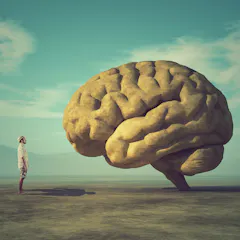
For each decision we make, we assign a certain level of confidence. How does the brain decide how much?

New research points to a biological way that racism can lead to health disparities.

The COVID-19 pandemic and a growing global refugee crisis have shone a light on the ever-increasing need for new approaches to mental health treatment.
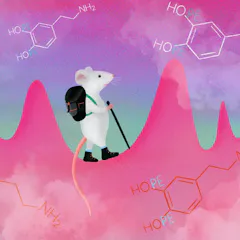
Mouse brains produce random, strong bursts of dopamine and are able to control them. This may challenge many long-held ideas about learning and motivation.
Top contributors
-

Professor of Clinical Neuropsychology, University of Cambridge
-
Penn State
-
Postdoctoral Research Associate, Cognitive Neuroscience, University of Cambridge
-
Senior Lecturer (Adjunct), Nutritional neuroscientist, Adelaide University
-
Head of Developmental Psychobiology Lab, Deakin University
-
Postdoctoral Researcher in Cognitive Neurosciences, The University of Queensland
-
Senior Research Fellow, Uehiro Centre for Practical Ethics, University of Oxford
-
Professor of Anatomy, University of Bristol
-
Professor Emeritus of Cognitive NeuroImaging, Aston University
-
Professor of Cognitive Neuroscience, Bangor University
-
Senior Research Fellow, The Perron Institute for Neurological and Translational Science, and Faculty of Health Sciences, Curtin University
-
Associate Professor of Family & Community Medicine and Pediatrics, retired, University of California, San Francisco
-
Professor of Behavioral Neuroscience, University of Richmond
-
Lead, Cognition and Consciousness Imaging Group, Division of Anaesthesia, University of Cambridge
-
Associate Professor in Clinical Psychology and Neuropsychology, Trinity College Dublin