
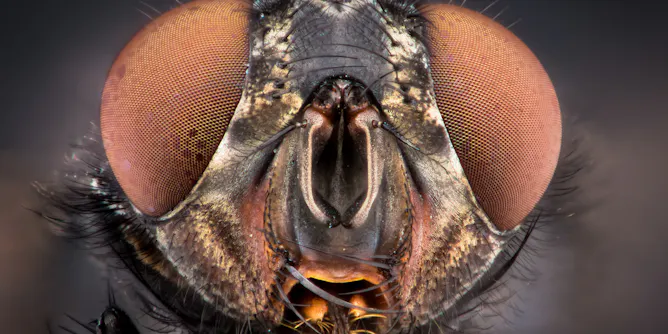
Why is it so difficult to swat a fly? A team of insect experts explains how a fly’s sophisticated vision allows it to quickly react to visual cues.
Articles on Neuroscience
Displaying 281 - 300 of 866 articles
Some scientists believe the ‘free energy principle’ can explain the behaviour of all living things – but others say it paints the world with too broad a brush to be useful.

From figuring out where memories are stored to how sensory information translates to behavior, new technologies are helping neuroscientists better understand how the brain works.

Our team studied the activity of neurons in people with epilepsy. Neurons in the brain regions responsible for triggering seizures were much less diverse.
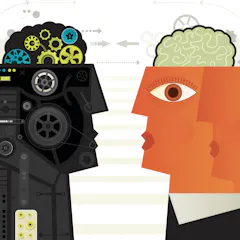
To build a true artificial mind, first map out how thinking works. Enter the Common Model of Cognition.

The key to understanding how brains can recover from trauma is that they are fantastically plastic – meaning our body’s supercomputer can reshape and remodel itself.
Babies who remain in silence hours after birth have different brains to those who listen to sounds.
Existing brain connections may influence the effectiveness of neurostimulation. Tailoring treatments to each individual brain could expand the number of conditions brain stimulation can treat.

Parents are often the primary source of information that children receive from their environment. How consistent parents’ interactions with their children are matters.

Children who grow up in disadvantaged areas seem to react more strongly to facial expressions showing anger or fear. But social connections between neighbours can help.

Socially isolated people have poorer cognition, including in memory and reaction time.

To capture the information that a brain contains, you need to cut it into billions and billions of slices.
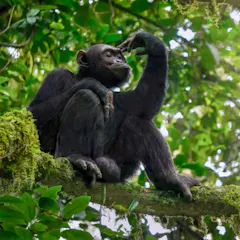
Human brains seem to be wired differently to those of chimps or macaques.
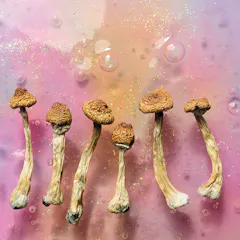
The active compound in magic mushrooms seems to increase connections between different brain networks.
Long overlooked by scientists, white matter may provide clues to some of the brain’s greatest mysteries.

Deciphering the biological pathways behind rare genetic diseases often involves assembling a team of specialists to work closely with the family members of those affected.
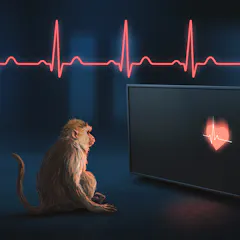
Researchers used a test designed for babies to show that rhesus monkeys can sense their own heartbeats. The finding opens up important paths of research into consciousness and mental health issues.
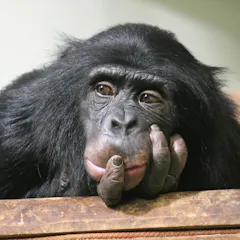
The unique power of story is like a sharp knife, writes Claire Corbett. It is neither good nor evil, but can cut both ways.
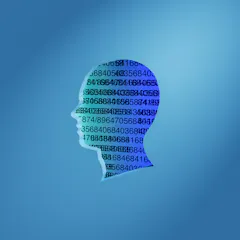
The brain can count small numbers or compare large ones. But it struggles to understand the value of a single large number. This fact may be influencing how people react to numbers about the pandemic.

Bruce Willis’ family today revealed he has been diagnosed with aphasia. So what actually is aphasia and why haven’t we heard of it before?
Top contributors
-

Professor of Clinical Neuropsychology, University of Cambridge
-
Penn State
-
Postdoctoral Research Associate, Cognitive Neuroscience, University of Cambridge
-
Senior Lecturer (Adjunct), Nutritional neuroscientist, Adelaide University
-
Head of Developmental Psychobiology Lab, Deakin University
-
Postdoctoral Researcher in Cognitive Neurosciences, The University of Queensland
-
Senior Research Fellow, Uehiro Centre for Practical Ethics, University of Oxford
-
Professor of Anatomy, University of Bristol
-
Professor Emeritus of Cognitive NeuroImaging, Aston University
-
Professor of Cognitive Neuroscience, Bangor University
-
Senior Research Fellow, The Perron Institute for Neurological and Translational Science, and Faculty of Health Sciences, Curtin University
-
Associate Professor of Family & Community Medicine and Pediatrics, retired, University of California, San Francisco
-
Professor of Behavioral Neuroscience, University of Richmond
-
Lead, Cognition and Consciousness Imaging Group, Division of Anaesthesia, University of Cambridge
-
Associate Professor in Clinical Psychology and Neuropsychology, Trinity College Dublin