

The idea of healing benefits and emotional catharsis through reading is intuitively appealing. But does it work that way? Jane Turner Goldsmith finds answers in neuroscience, philosophy and more.
Articles on Neuroscience
Displaying 261 - 280 of 866 articles

Mindfulness, one of the most common forms of meditation, is a skill that must be cultivated and practiced. With some training and discipline, it can help anyone live more fully in the moment.

We need to understand our brains to achieve true change.
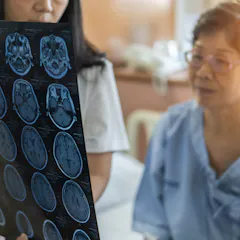
An 18-month treatment with lecanemab slows functional and cognitive loss by 27 per cent in people with mild Alzheimer’s disease. But this is only the first step towards a real cure.

Why do we have such different and changing tastes? Why do we love what others hate, and vice versa? How is it possible to stop liking something we used to love, or vice versa?
Impaired insulin receptors in the blood vessels between the blood and the brain may contribute to the insulin resistance observed in Alzheimer’s disease.
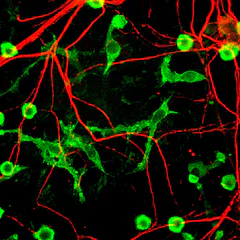
Microglia, immune cells disguised as brain cells, are known as the janitors of the brain. Dialing up their usual duties just enough could provide an avenue to treat neurodegenerative disease.

From warfare to entertainment and VR, brain-computer interface development has extended beyond prosthetics for patients with disabilities. Missing is full ethical consideration of the consequences.
Neuroscientists know that pregnant mothers’ brains change in ways that appear to help with caring for a baby. Now researchers have identified changes in new fathers’ brains, too.
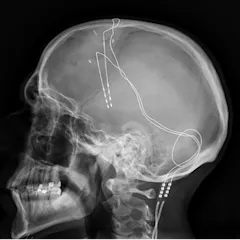
Deep brain stimulation and trasncranial magnetic stimulation treat mental illness by sending electrical currents into parts of the brain. Every new patient provides researchers with a wealth of information. Listen to The Conversation Weekly podcast.

We found being a night owl increased the risk of having behavioural problems and delayed brain development in later adolescence.

During adolescence the brain experiences two opposing tendencies: its capacity for control is not fully developed but the reward system is very active.

We hope our work can help shape building planning and design. That could be classrooms that help us concentrate, or hospital waiting rooms that reduce our anxiety.

The words indicating colours that are available in our mother tongue influence the way we perceive and differentiate colours. Does this mean that language determines our thinking?
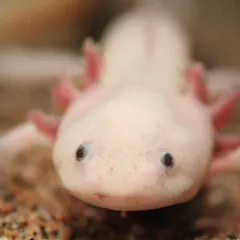
Axolotls are amphibians known for their ability to regrow their organs, including their brains. New research clarifies their regeneration process.
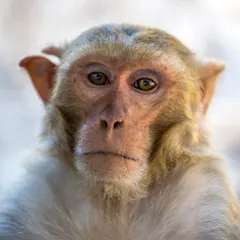
Nonhuman primates like rhesus monkeys share certain characteristics with people that may make them better study subjects than mice for research on neurodegenerative diseases.
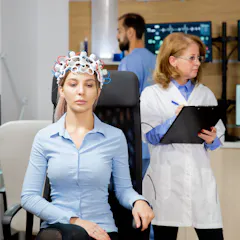
Neurotechnology could mean law firms soon track ‘billable units of attention’ rather than billable hours.

Horizontal number lines are often the default option – but our brains may process numbers more quickly in a vertical arrangement.

Why your eyes move during the REM stage of sleep has puzzled scientists for years. Researchers measured mice brains to look for a possible explanation.

Diets high in fat, sugar and processed foods are associated with higher calorie intake, poorer memory and lower cognitive function.
Top contributors
-

Professor of Clinical Neuropsychology, University of Cambridge
-
Penn State
-
Postdoctoral Research Associate, Cognitive Neuroscience, University of Cambridge
-
Senior Lecturer (Adjunct), Nutritional neuroscientist, Adelaide University
-
Head of Developmental Psychobiology Lab, Deakin University
-
Postdoctoral Researcher in Cognitive Neurosciences, The University of Queensland
-
Senior Research Fellow, Uehiro Centre for Practical Ethics, University of Oxford
-
Professor of Anatomy, University of Bristol
-
Professor Emeritus of Cognitive NeuroImaging, Aston University
-
Professor of Cognitive Neuroscience, Bangor University
-
Senior Research Fellow, The Perron Institute for Neurological and Translational Science, and Faculty of Health Sciences, Curtin University
-
Associate Professor of Family & Community Medicine and Pediatrics, retired, University of California, San Francisco
-
Professor of Behavioral Neuroscience, University of Richmond
-
Lead, Cognition and Consciousness Imaging Group, Division of Anaesthesia, University of Cambridge
-
Associate Professor in Clinical Psychology and Neuropsychology, Trinity College Dublin