
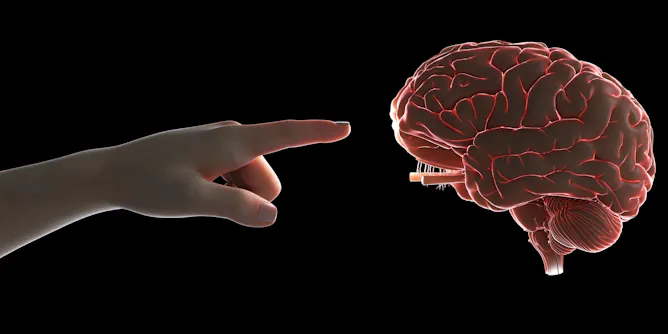
When designing neuroprosthetic devices for users to control with their thoughts, engineers must take into account the sensory information brains collect from the environment and how it gets processed.
Articles on Neuroscience
Displaying 301 - 320 of 866 articles

Pinpointing the molecular targets behind the subjective effects of psychedelic drugs could help clinicians and researchers better treat psychiatric conditions.
To think about the ways in which images engage audiences, we can consider Europe’s response to two major refugee crises.

It’s intriguing how some people experience ASMR while others don’t - our latest research suggests that many ASMR responders are highly sensitive “orchids”.
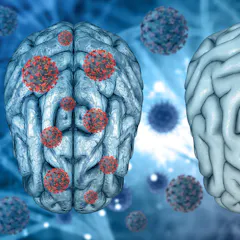
New research offers insights into the brain after COVID-19 that may have implications for our understanding of long COVID-19 and how the disease affects our senses of taste and smell.
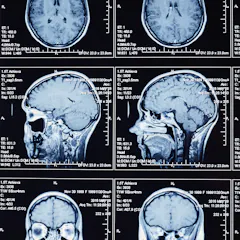
Brain changes including shrinkage, weakened connections and poorer performance on thinking and memory tests could explain ‘brain fog’ after COVID – even after ‘mild’ cases.

Humans can be resuscitated after 10 minutes, so we may have some level of consciousness immediately after death.

Forgetfulness is often regarded as a sign of old age. But what exactly is going on in the brain that makes it more difficult for older people to remember things?

Vaccine hesitancy is often met with one of two responses: Ridicule, or factual information. Both assume a failure of reason, but human behaviour is more complex than reason, so both responses fail.
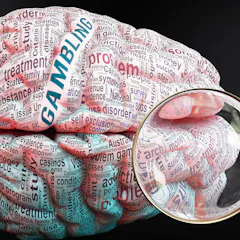
There is evidence to suggest that dopamine plays a key role in gamling addiction.

The physical activity and social connection that take place at recess help children be more engaged once back in the classroom.
Understanding when and how neurons die is an important part of research on neurodegenerative diseases like Lou Gehrig’s, Alzheimer’s and Parkinson’s diseases.

Thinking about revenge makes the brain’s reward centres light up.

Understanding how the brain translates smells into behavior change can help advance search and rescue technology and treatments for neurological conditions.

Opioids can cause death by slowing breathing to dangerously low levels, or stopping it altogether. Examining one area of the brain may eventually lead to safer painkillers.

Plus, a lawyer explains the legal battle over Canada’s discriminatory First Nations child welfare system. Listen to The Conversation Weekly.

New research shows the choices we make, and our perceptions of the world, are biased by our initial impressions.

New research found unfamiliar voices elicited a type of brain wave linked to disturbances during sleep.
Understanding where and how memories are formed could lead to more ways to treat conditions like PTSD and addiction.

Research shows that people with more flow in their lives had a higher sense of well-being during the COVID-19 pandemic. Scientists are beginning to explore what happens in the brain during flow.
Top contributors
-

Professor of Clinical Neuropsychology, University of Cambridge
-
Penn State
-
Postdoctoral Research Associate, Cognitive Neuroscience, University of Cambridge
-
Senior Lecturer (Adjunct), Nutritional neuroscientist, Adelaide University
-
Head of Developmental Psychobiology Lab, Deakin University
-
Postdoctoral Researcher in Cognitive Neurosciences, The University of Queensland
-
Senior Research Fellow, Uehiro Centre for Practical Ethics, University of Oxford
-
Professor of Anatomy, University of Bristol
-
Professor Emeritus of Cognitive NeuroImaging, Aston University
-
Professor of Cognitive Neuroscience, Bangor University
-
Senior Research Fellow, The Perron Institute for Neurological and Translational Science, and Faculty of Health Sciences, Curtin University
-
Associate Professor of Family & Community Medicine and Pediatrics, retired, University of California, San Francisco
-
Professor of Behavioral Neuroscience, University of Richmond
-
Lead, Cognition and Consciousness Imaging Group, Division of Anaesthesia, University of Cambridge
-
Associate Professor in Clinical Psychology and Neuropsychology, Trinity College Dublin