

Cerebrospinal fluid can sometimes leak or collect in the brain without an identifiable cause, leading to symptoms that can be difficult to diagnose.
Articles on Neuroscience
Displaying 121 - 140 of 866 articles

We live in a fast-paced society that subjects us to information overload and high stress. It might be time to embrace the pause.

Light comes in through our eyes upside down – but we can still interact with the world just fine.

People who read report a deeper understanding of others’ experiences and beliefs.

When it comes to consciousness, theories are like toothbrushes. Everybody has their own and nobody wants to use anybody else’s.

Strategies to recognise people require ‘huge mental effort’ and often don’t work.

Preventing verbal abuse is essential for healthy brain development and lifelong wellbeing.
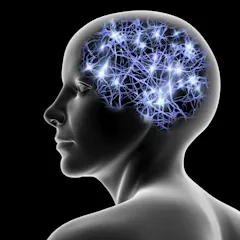
As you experience or encounter new things, your brain must encode this information via the right neural networks at the right time.

Understanding how the brain functions is important for teachers. We surveyed more than 500 early childhood educators about their neuroscience knowledge.

The theory that an increased use of phones and computers has weakened our overall cognitive ability has been around since 2012. But is it true?

Cachexia, or wasting syndrome, causes around 80% of patients with advanced cancer to withdraw from life.

Advances in technology are making it easier to explore this question.

Stress, exercise and even sex can reduce pain.

Opioids and other addictive drugs can alter the rhythmic activity of genes involved in sleep-wake cycles.
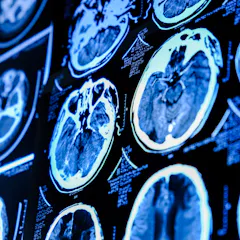
There are several lifestyle risk factors that increase the risk of brain aneurysms.

Pain is unpleasant, but it does have a purpose.

Willpower is like a muscle – it only gets stronger if you actually use it.

Real ‘split brain’ patients have existed since the 1940s.
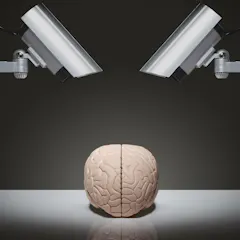
Neurotechnology raises many high-stakes ethical questions. Setting ground rules could help protect workers and ensure that tasks are adapted to the person, rather than the other way around.
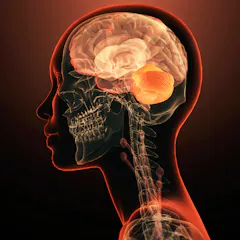
Conditions such as long COVID-19, Alzheimer’s disease and meningitis can damage the line of communication between your brain and your muscles.
Top contributors
-

Professor of Clinical Neuropsychology, University of Cambridge
-
Penn State
-
Postdoctoral Research Associate, Cognitive Neuroscience, University of Cambridge
-
Senior Lecturer (Adjunct), Nutritional neuroscientist, Adelaide University
-
Head of Developmental Psychobiology Lab, Deakin University
-
Postdoctoral Researcher in Cognitive Neurosciences, The University of Queensland
-
Senior Research Fellow, Uehiro Centre for Practical Ethics, University of Oxford
-
Professor of Anatomy, University of Bristol
-
Professor Emeritus of Cognitive NeuroImaging, Aston University
-
Professor of Cognitive Neuroscience, Bangor University
-
Senior Research Fellow, The Perron Institute for Neurological and Translational Science, and Faculty of Health Sciences, Curtin University
-
Associate Professor of Family & Community Medicine and Pediatrics, retired, University of California, San Francisco
-
Professor of Behavioral Neuroscience, University of Richmond
-
Lead, Cognition and Consciousness Imaging Group, Division of Anaesthesia, University of Cambridge
-
Associate Professor in Clinical Psychology and Neuropsychology, Trinity College Dublin