

New research predicts when noisy systems are approaching precarious “critical points” – and finds that some parts of the brain prefer to work at the edge of instability
Articles on Neuroscience
Displaying 161 - 180 of 866 articles
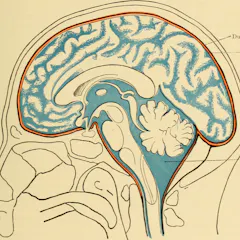
Cerebrospinal fluid can sometimes leak or collect in the brain without an identifiable cause, leading to symptoms that can be difficult to diagnose.

Athletes from a variety of sports have experimented with neurofeedback in recent years in a bid to gain a competitive edge.

Engineers have tried for decades to develop bionic eyes to reverse blindness. But the brain is far more complex than a computer.

Women typically suffer from more headaches than men, and some people experience migraines only during menstruation.
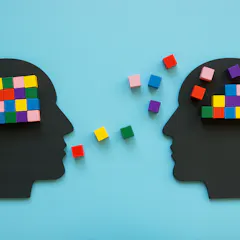
Brains encode language by matching words to patterns of activity. Large language models can do the same thing.

My team have studied the brainwaves of expert golfers to understand what it takes to hit the perfect putt.

Less sleep and later bedtimes are linked to a section of the brain involved in emotion regulation suffering reduced growth, along with weaker connections to other brain areas.

‘Body swapping’ may help people get a clearer idea of what their own bodies are really like.

Why are some individuals at greater risk for developing opioid dependence and addiction? Two neuroscientists at Rowan University discuss their latest findings.

Our research shows our brains are still evaluating our decisions even as we act them out. Better awareness of what influences last-minute decision-making can help us make better choices.
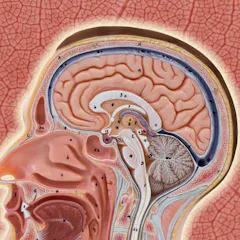
Our body fiercely protects the brain by holding onto things that help it and keeping harmful things out, such as toxins and bugs that can cause infection.

Animals have these kinds of brain hemisphere biases too.
Deciphering how neurons talk to each other by reading the brain’s electrical activity has given scientists insights into memory and conditions like epilepsy and Alzheimer’s.

Chronic pain is often caused by a hyper-vigilant nervous system which exaggerates the pain signal even after damaged tissue has healed. Similar processes are at play in persistent fatigue.

Momentary shifts in mood profoundly alter the brain’s response to pleasure in people with bipolar disorder.

Fluctuating hormones affect the frequency of seizures at multiple times in women’s lives. So we need to tailor their therapies accordingly.

People are generally more prone to activating the parts of their brain associated with fear than those linked to rational decision making.

Neuroscientist John Kounios tells The Conversation Weekly podcast about what his new research with jazz musicians revealed about the brain mechanisms of creative flow.

We now have the technology and knowledge to carry out real-time dream experiments with sleeping participants.
Top contributors
-

Professor of Clinical Neuropsychology, University of Cambridge
-
Penn State
-
Postdoctoral Research Associate, Cognitive Neuroscience, University of Cambridge
-
Senior Lecturer (Adjunct), Nutritional neuroscientist, Adelaide University
-
Head of Developmental Psychobiology Lab, Deakin University
-
Postdoctoral Researcher in Cognitive Neurosciences, The University of Queensland
-
Senior Research Fellow, Uehiro Centre for Practical Ethics, University of Oxford
-
Professor of Anatomy, University of Bristol
-
Professor Emeritus of Cognitive NeuroImaging, Aston University
-
Professor of Cognitive Neuroscience, Bangor University
-
Senior Research Fellow, The Perron Institute for Neurological and Translational Science, and Faculty of Health Sciences, Curtin University
-
Associate Professor of Family & Community Medicine and Pediatrics, retired, University of California, San Francisco
-
Professor of Behavioral Neuroscience, University of Richmond
-
Lead, Cognition and Consciousness Imaging Group, Division of Anaesthesia, University of Cambridge
-
Associate Professor in Clinical Psychology and Neuropsychology, Trinity College Dublin