
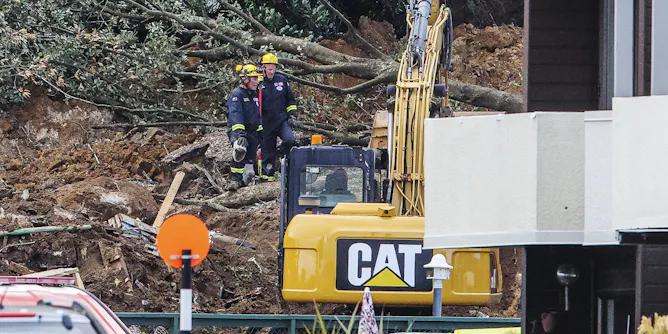
Tragic slips in the Bay of Plenty highlight how geology, heavy rainfall and climate change are combining to amplify a largely hidden risk.
Articles on Rainfall
Displaying 21 - 40 of 184 articles
Snow cover has declined rapidly since the 1980s, and it’s only accelerating.
The Southern Ocean is the engine room of global heat and carbon uptake – and it’s changing faster and more dramatically than we thought.

What do the next few months hold, weather-wise? For clues, we can look to the oceans around Australia.
Yes, it’s been raining in southeast Australia – but it’s too little, too late. Now it’s too cold to grow decent pasture. This is called a ‘green drought’.

Natural infrastructure can be restored in ways that reduce both flood risk and the effects of drought.
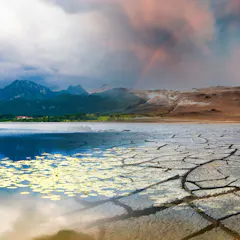
A new study shows that rising ‘atmospheric thirst’ is responsible for about 40% of the increase in drought severity over the last four decades.
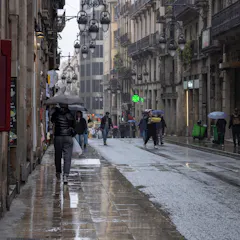
Europe’s rainy north and dry south seem to have swapped places in recent months.
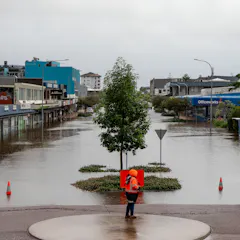
Flooding in eastern NSW shows just how vulnerable rural catchments and regional communities are to extreme and extended rainfall events.

In some areas of NSW, more than 200 mm of rain has fallen in 24 hours. At the same time, dry conditions have gripped much of the continent.
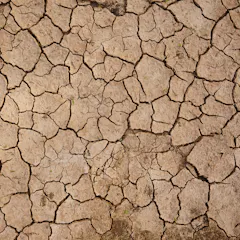
Southern Australia is suffering some of the lowest rainfall levels on record. The drought won’t break until the return of low pressure systems bringing heavy rain.

Why is it so warm across southern Australia this autumn? Where’s the rain? ‘Blocking’ high pressure systems are to blame, but the real culprit is climate change.
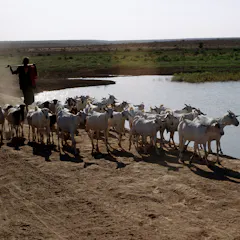
Somalia’s competitiveness in global markets has weakened owing to climate change and conflict.
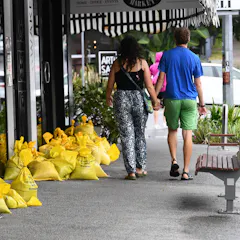
Brisbane is a subtropical city of more than 2.5 million people, situated on a flood-prone river. That’s why residents mustn’t get complacent after Cyclone Alfred.

Scientists are increasingly worried about a potential slowdown of the major Atlantic ocean current. Now we know it would affect the Southern Hemisphere

Water availability regulates tree growth and can have ‘legacy effects’ long after conditions change.

From dried-up rivers to flooded crops and cities, rising temperatures in 2024 wreaked havoc with water, creating life-threatening challenges for people and nature alike. Explore this interactive map.

These powerful ‘rivers in the sky’ provide a huge share of annual precipitation in many regions, including California. They can also melt sea ice, with global climate implications.
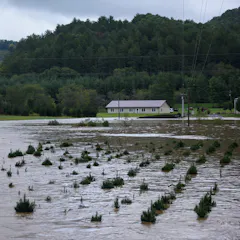
If your area experiences a 1,000-year rainfall event, don’t assume that you’re off the hook for the next 999 years.
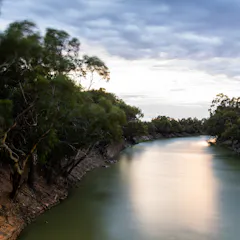
Less rain will fall in the Darling River catchment as climate change worsens. This fact must be central to decisions about how much water can be taken from the system.
Top contributors
-

ARC Future Fellow and Associate Professor in Climate Science, ARC Centre of Excellence for 21st Century Weather, The University of Melbourne
-
Professor, Water and Landscape Dynamics, Fenner School of Environment & Society, Australian National University
-
Professor of Physical Geography, University of the Witwatersrand
-
Postdoctoral Research Fellow in Atmospheric Sciences, The University of Melbourne
-
Climate scientist, Australian Bureau of Meteorology
-
Researcher, Agricultural Research Council
-
Associate Professor, ARC Centre of Excellence for Weather of the 21st Century, Monash University
-
Climate Scientist, Australian Bureau of Meteorology
-
Professor of Atmospheric Science and Colorado State Climatologist, Colorado State University
-
Adjunct Professor (Practice) in Climate Science, School of Earth, Atmosphere and Environment, Monash University
-
Climate Scientist, Australian Bureau of Meteorology
-
Professor of Climate Science, UMass Lowell
-
Senior Research Fellow, ARC Centre of Excellence for Weather of the 21st Century, Australian National University
-
Professor in Cloud Microphysics, Monash University
-
Research academic, Fenner School of Environment & Society, Australian National University