
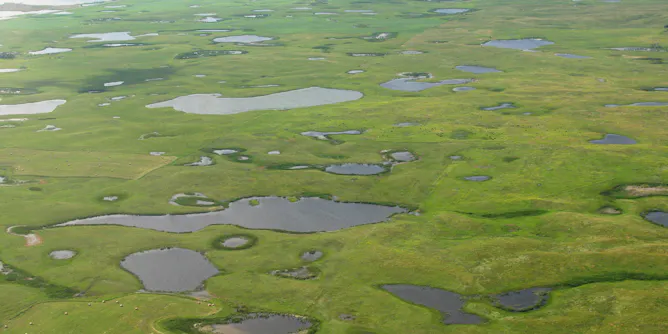
In Sackett v. EPA, a suit filed by two homeowners who filled in wetlands on their property, the Supreme Court has drastically narrowed the definition of which wetlands qualify for federal protection.
Articles on Wetlands
Displaying 61 - 80 of 174 articles

The impacts of climate change on the terrestrial ecosystems, that comprise interconnected webs of snow, water, plants and animals, can be rapid, complex, and unpredictable.
Victoria is planning to engineer wetlands so more water can go to agriculture. It’s not a good plan.
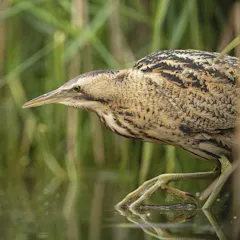
From a low of 11 males in 1997, Britain now has 228 booming bitterns at 103 sites nationwide.
The swamp has not yet been drained everywhere.
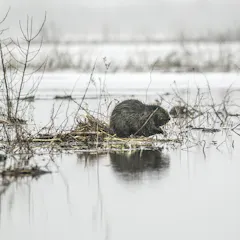
Restoring entire ecosystems is a difficult and expensive process. Thankfully, certain species, called ecosystem engineers, can make restoration easier. Gaining social and political support is critical too.

Mangroves support a significant amount of biodiversity and their soils can capture a great deal of carbon.

The US Supreme Court opens its 2022-2023 term with a case that could greatly reduce federal protection for wetlands. Here is what makes these ecosystems valuable.

The Supreme Court opens its 2022-2023 session with a high-profile case that has major implications for both wildlife and landowners.

Nigeria’s Environmental Impact Assessment Act is not protecting the environment enough and citizens need to get involved.
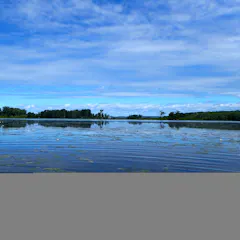
Wetlands can help limit the spread of the voracious round goby, an invasive species that has infiltrated the Great Lakes and has become widespread in the St. Lawrence River.
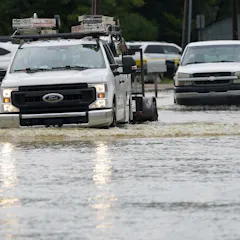
Flash flooding can happen in both urban and rural areas, with deadly results in either setting.
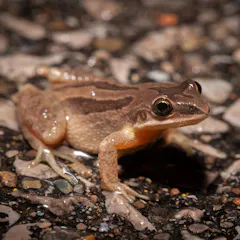
Habitat protection and restoration, advanced reproductive technologies and reintroduction procedures could help slow the decline of western chorus frogs and other amphibians.
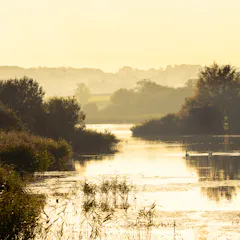
Somerset Wetlands national nature reserve merges and extends six existing protected sites.
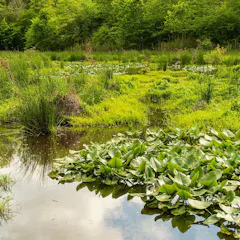
Accra has become susceptible to floods due to encroachment on wetlands.

Millions of people around the world live on river deltas and are vulnerable when those rivers shift direction. A new study shows why and where these events, called avulsions, happen.

By mismanaging its forestry road system, Québec and the forestry companies operating in public forests have made significant savings, to the detriment of protecting aquatic environments.
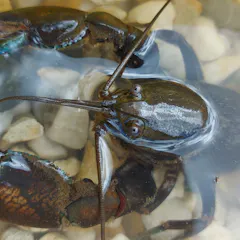
New research investigating the yabby diets found just how crucial these crayfish are to aquatic ecosystems.
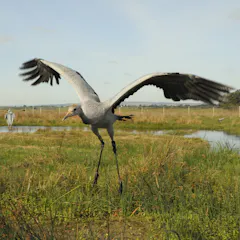
These wetland birds were eradicated in the 17th century, but breeding pairs returned in 1979.
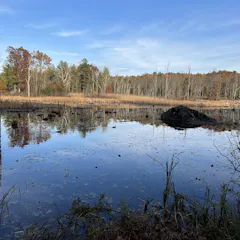
Beavers in our landscapes have great potential to provide small-scale adaptations to climate change – if humans can figure out how to live with them.
Top contributors
-

Professor in Natural Sciences, Bangor University
-
Adjunct Professor, Charles Sturt University
-
Professor, Department of Geography and Environmental Management, University of Waterloo
-
Professor, Fenner School of Environment & Society, Australian National University
-
Research Associate, Institute of Coastal and Marine Research, Nelson Mandela University
-
Associate Professor, School of Environment and Sustainability, University of Saskatchewan
-
Adjunct Professor, School of Environment and Sustainability, University of Saskatchewan
-
Assistant Professor, East Carolina University
-
Professor of Law Emeritus, Vermont Law & Graduate School
-
Professor in School of Earth, Atmospheric and Life Sciences; and Director of Environmental Futures Research Centre, University of Wollongong
-
AXA Chair in Coastal Resilience & Research Professor, University of California, Santa Cruz
-
Honorary Professor of Genetics, Evolution & Environment, UCL
-
Principal Researcher, CGIAR
-
Professor of Law, University of California, Davis
-
Professor Emeritus of International Environmental Policy, Tufts University