
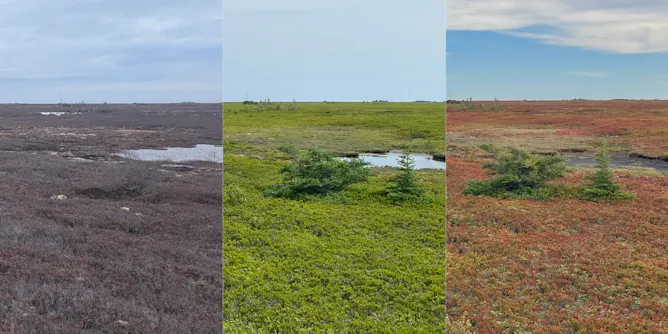
The PeatPic Project used over 3,700 smartphone photographs from 27 peatlands in 10 countries to gather data about how climate change is impacting them.
Articles on Wetlands
Displaying 21 - 40 of 174 articles
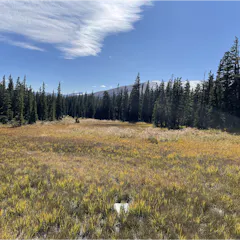
Subalpine wetlands in the Rocky Mountains are warming, creating the perfect conditions for producing methylmercury, a potent neurotoxin.

Australia’s inland waterbirds can fly long distances to find shallow wetlands to breed. But human needs and climate change could threaten them.
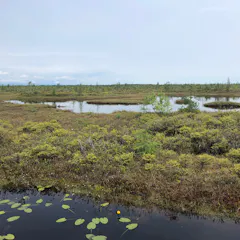
Canada is home to a quarter of the world’s remaining wetlands. Despite decades of efforts, wetlands continue to be under threat around the world.

Current science communications in Cape Town are not serving the public well.

Thousands of birds flying south for the winter stop off in Nigeria’s Hadejia Wetlands National Park. Researchers mapped the park, uncovering hundreds of species.
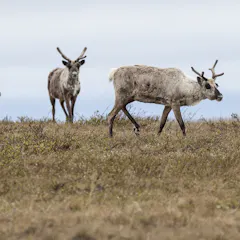
Caribou, migrating birds and many other types of wildlife rely on this expanse of wetlands and tundra. But about 5.5 million acres are being put up for oil and gas leases in March 2026.
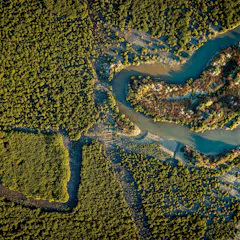
Traditional cost-benefit analyses treat wetland restoration as a one-off expense with fixed returns. New research shows this misses long-term climate and biodiversity benefits.
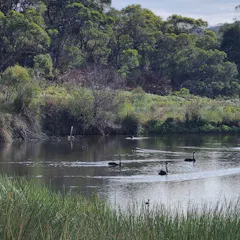
For decades, the Fleurieu Peninsula’s swamps were routinely drained. But as the region battles the driest conditions on record, the remaining swamps are a lifeline

Wattled cranes breeding in wetlands is a clear sign that the wetland is healthy and thriving.

New research uses firefly flashing patterns to identify species and what they’re communicating.
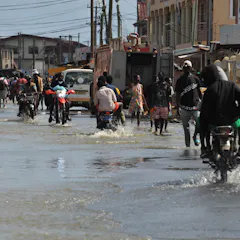
Accra’s flood resilience is very low.
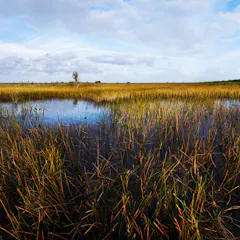
Changes to the landscape and pollution have harmed this vital ecosystem known as the ‘river of grass.’

The global length of ditches is unknown, but these unassuming bodies of water play a significant role in the global climate crisis.

Environmental scientists have compiled the first list of wetlands in the park. This will be useful to measure the effects of climate change.

Why wetlands are so useful in an increasingly unpredictable climate.
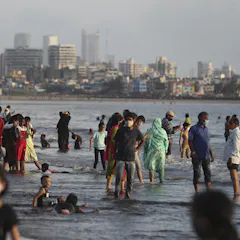
Nearly 10% of the planet’s human inhabitants live within 3.1 miles of the coast − where the risk of climate disasters is often highest.

Nature-based solutions are a cost-effective means of addressing climate instability, and governments already have all the tools they need to help get these projects off the ground.

New research shows how river flows in the once-mighty Murrumbidgee have dwindled over time, leaving the floodplain high and dry. But the main culprit is not climate change and we can fix it.

Human activities now account for two-thirds of all methane venting to the atmosphere – and our efforts to staunch the flow are not yet bearing fruit.
Top contributors
-

Professor in Natural Sciences, Bangor University
-
Adjunct Professor, Charles Sturt University
-
Professor, Department of Geography and Environmental Management, University of Waterloo
-
Professor, Fenner School of Environment & Society, Australian National University
-
Research Associate, Institute of Coastal and Marine Research, Nelson Mandela University
-
Associate Professor, School of Environment and Sustainability, University of Saskatchewan
-
Adjunct Professor, School of Environment and Sustainability, University of Saskatchewan
-
Assistant Professor, East Carolina University
-
Professor of Law Emeritus, Vermont Law & Graduate School
-
Professor in School of Earth, Atmospheric and Life Sciences; and Director of Environmental Futures Research Centre, University of Wollongong
-
AXA Chair in Coastal Resilience & Research Professor, University of California, Santa Cruz
-
Honorary Professor of Genetics, Evolution & Environment, UCL
-
Principal Researcher, CGIAR
-
Professor of Law, University of California, Davis
-
Professor Emeritus of International Environmental Policy, Tufts University