

The ‘Canadian Dream’ works for some immigrants and not others because of the hidden role of socioeconomic class.
University of British Columbia

The University of British Columbia is a global centre for research and teaching, consistently ranked among the top 20 public universities in the world. Since 1915, UBC’s West Coast spirit has embraced innovation and questioned the status quo. With close to 63,000 students from 160 countries and more than 5,400 faculty on two campuses in Vancouver and the Okanagan, UBC is a place where bold thinking develops into ideas that can change the world. Its entrepreneurial perspective encourages students, staff and faculty to challenge convention, lead discovery and explore new ways of learning.
Links
Articles
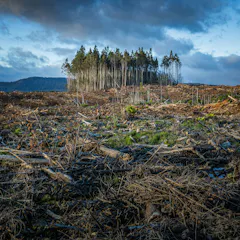
In mountainous environments, logging can hasten snowmelt, leading to larger floods.
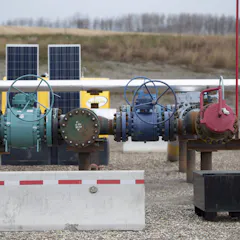
Setback regulations remain the only lever that affords some protection to those bearing the greatest health risks of shale gas development in their neighbourhoods.
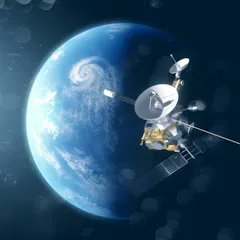
How prepared are we for a solar storm, bad software update or cybersecurity event that could trigger widespread loss of satellite control?
Translocation intends to minimize the impacts of development. Research shows that we are moving millions of animals and have no idea what happens to them next.
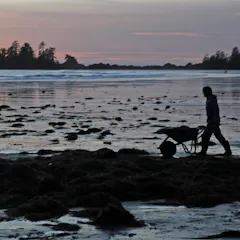
Seaweed aquaculture is attracting attention, but improved oversight is needed to prevent ecological impacts.
Grocery stores and the world around us are full of subtle psychological cues that encourage us to over-buy.

Réfléchir aux déplacements extérieurs de votre chat peut contribuer à préserver la biodiversité, le bien-être animal et la santé publique.

The strategic goal for most countries is energy systems that are affordable and cannot be blocked or held hostage.
While some progress has been made since these goals were established in 2017, it is uneven. Only seven of the 26 targets have been broadly met.

Given increasing geopolitical tensions and economic interest in the region, how can academic research support those who live in and depend on the Arctic?
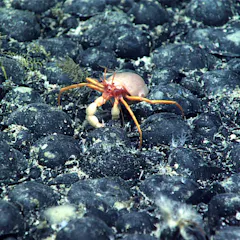
The deep sea holds vast mineral wealth. However, most valuable elements lie in international waters, outside any one country’s territory.
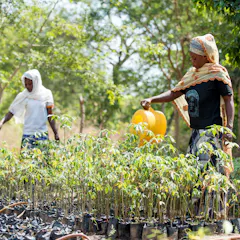
Ghana’s community conservation areas protect forests and wildlife while supporting rural livelihoods, but weak laws and funding threaten their future.

Thinking about how and where your cat roams outdoors can help safeguard biodiversity, feline and wildlife welfare and public health.
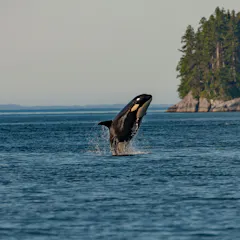
Impact assessments prevent harm before it occurs. Circumventing the process before we understand the risks is misguided and a gamble with our collective future.

Many focus apps fail to consider neurodivergent strengths, such as the ability to hyperfocus.

Des chercheurs ont mis au point un produit qui élimine les résidus de pesticides en surface et forme une fine couche protectrice permettant aux fruits de rester frais plus longtemps.
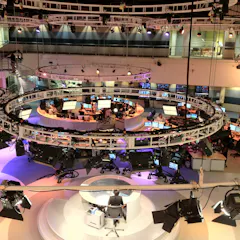
Global media coverage tends to focus on just one of Ethiopia’s conflicts.

An AI accent manipulation tool may be “cool” technology, but it is arguably also a form of discrimination against workers whose voices are being altered.

Wildfires can cause contaminants to seep into waterways, polluting the drinking water that communities rely on.
Authors
-

Chair in Business and Professional Ethics, University of British Columbia
-
Associate Professor & Global Challenge Lead, Urban Transformations Research Centre, Western Sydney University; University of British Columbia
-
Clinical Associate Professor, Faculty of Medicine, University of British Columbia
-
Professor of Microbiology and Immunology, University of British Columbia
-
Associate Professor of Food, Nutrition and Health, University of British Columbia
-
PhD Candidate, Department of Forest Resources Management, University of British Columbia
-
Assistant Professor, Social Studies and History Education, Department of Curriculum and Pedagogy, Faculty of Education, University of British Columbia
-
PhD Candidate in Resources, Environment and Sustainability / Research Assistant, University of British Columbia
-
Professor, Department of Pediatrics, University of British Columbia
-
Liber Ero Postdoctoral Research Fellow, Institute for the Oceans and Fisheries, University of British Columbia
-
Associate Professor, Department of Anthropology and School of Public Policy & Global Affairs; Ivan Head South-North IDRC Chair, University of British Columbia
-
PhD Candidate, Institute for the Oceans and Fisheries, University of British Columbia
-
Lecturer, Political Science, University of British Columbia
-
Professor and Director, Institute for the Oceans and Fisheries, University of British Columbia
-
Professor, Department of Forest Resources Management, University of British Columbia