
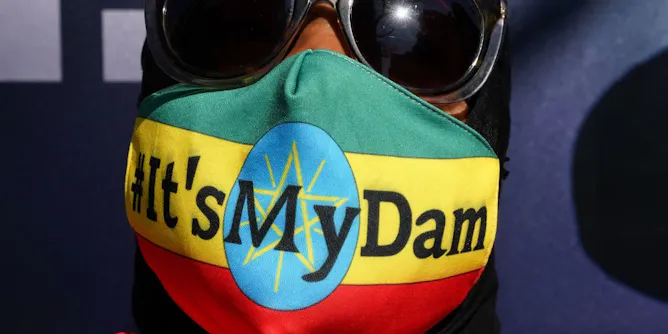
Ethiopia, Sudan, Egypt and their neighbours could deploy large-scale solar and wind farms, connected by a regionally integrated power grid.
Articles on Ethiopia
Displaying 241 - 260 of 495 articles
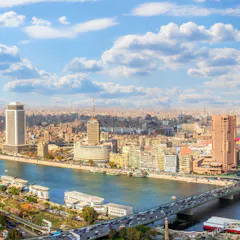
Given the ever increasing importance of coordinated management Ethiopia, Sudan, and Egypt should manage all dams through the Nile Basin Commission.
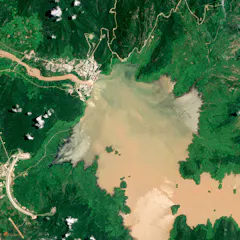
Nile communities carefully monitored and recorded the river’s flow. Centuries later these records are still being used by water resource managers around the world to analyse unpredictable river flows.
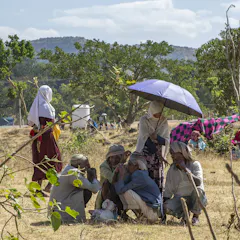
It’s a confluence of local, regional, national and, possibly, foreign interests.
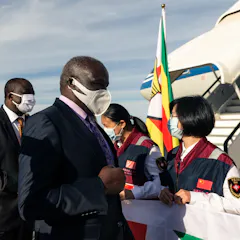
China is providing masks, vaccines, medical equipment and personnel to African countries ignored by the U.S. in recent years, positioning itself as an essential partner to the region.
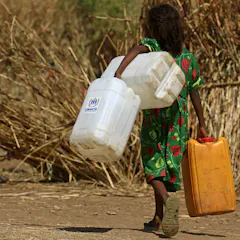
Adolescent girls can contribute to social change, economic growth, sustainable development and peaceful societies. They should be able to live their lives free from violence.
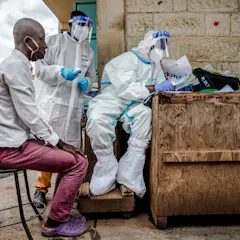
The availability of data by sex and gender is important for national responses when it comes to prevention, treatment and control.
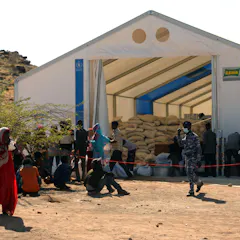
Time in the camps does not move forward and educated refugees are stuck, without the opportunity to create a path for a better future.
CC BY-NC-ND6.39 MB (download)
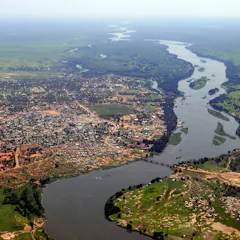
It won’t be easy to get the 11 countries in the basin to agree to a plan that avoids chronic water shortages in the future. Good information sharing and technical cooperation are critical.
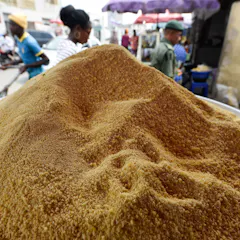
Africa needs to take advantage of a copyright law to protect and explore its unique local products.
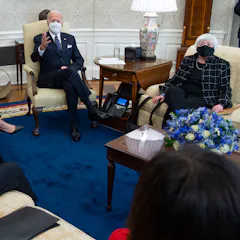
Research shows that when one country – particularly a powerful one – puts more women in power, other nations tend to follow suit.

In a country where judicial review is not constitutionally guaranteed, hate speech legislation could shackle freedom of expression and limit citizens’ rights to express themselves.
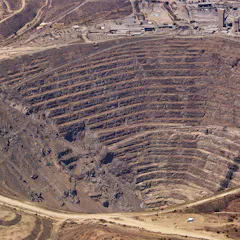
It seems the production of Earth science knowledge in Africa is simply not progressing, despite the world’s interest in (and exploitation of) the continent’s mineral wealth.
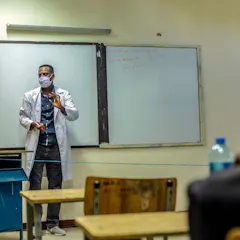
Private higher education institutions in Ethiopia draw all their income from student tuition. This exposed the vulnerability of the sector when the crisis hit and students stopped paying their fees.
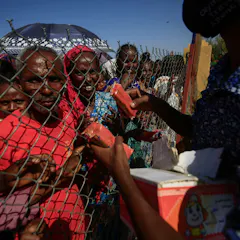
If a country refuses, or blocks, humanitarian aid this act violates international law.
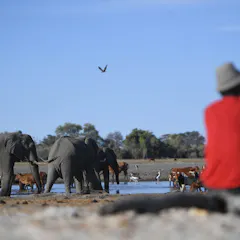
Evidence shows that farms that share landscapes with wild nature, such as remnant forests and trees, benefit from the ecosystem services provided.
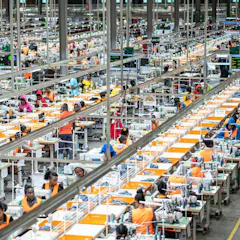
The new conflict in Ethiopia’s Tigray region could be the tipping point for foreign investors in the garment industry.

The health and wellbeing effects will go beyond the direct impact of war-related fatalities, and are likely to last for years after peace is fully restored.
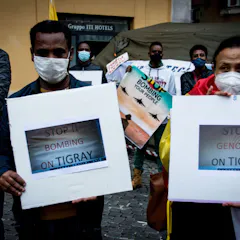
Providers of humanitarian aid haven’t been able to reach civilians in Ethiopia’s Tigray region. There are also reports that hundreds of civilians have been killed.
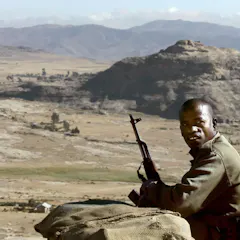
Conflict between Eritrea and Tigray has long represented a destabilising fault line for Ethiopia as well as for the wider region.
Top contributors
-

Senior Lecturer of Political Science, Georgia Gwinnett College
-
Visiting Lecturer, University of Roehampton
-
Professor, Weber State University
-
Adjunct Professor and Ph.D. Fellow, Center for Constitutional Democracy, Indiana University
-
Professor Emeritus in Global Health & Humanitarian Affairs, University of Manchester
-
PhD candidate, University of the Pacific
-
Associate Professor, Khalifa University
-
Professor of Geography, Ghent University
-
Professor of Sociology and Global and Africana Studies, University of Tennessee
-
Researcher, Ghent University; Oregon State University
-
Senior Research Fellow, Horn of Africa and Southern Africa, Institute of Commonwealth Studies, School of Advanced Study, University of London
-
Professor of International Relations, Norwegian University of Life Sciences
-
Lecturer and Senior Research Fellow at the South African Research Chair in International Law (SARCIL), University of Johannesburg
-
Visiting Adjunct Professor, School of Governance, University of the Witwatersrand
-
CGIAR