
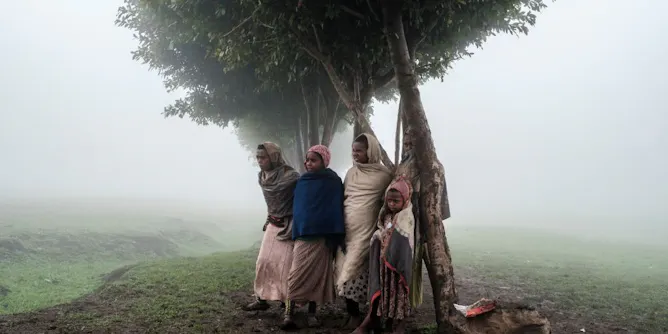
Eritrean refugees in Ethiopia are caught in a conflict in a country that was supposed to provide them refuge.
Articles on Ethiopia
Displaying 181 - 200 of 495 articles
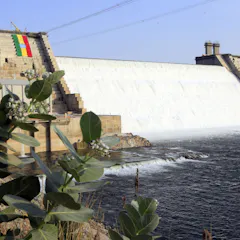
The dam has helped to shift longstanding power relationships and could pave the way for more cooperation among all the countries that depend on the Nile.

Five essential reads on Russia’s relationship with Africa.
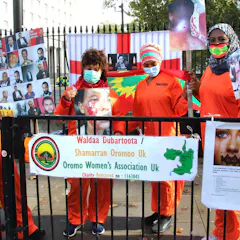
Ethiopia’s largest region is pushing for self-determination - it hasn’t gone down well with Abiy Ahmed’s vision of a centralised state.
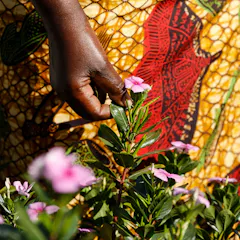
Thousands of plant species are used in African traditional medicine. Extracts from some of these plants are part of important pharmaceutical drugs.
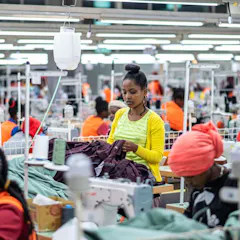
In democratic contexts, getting women into work empowers them. In autocracies like Ethiopia’s, this doesn’t hold. We found out why.
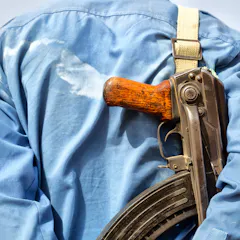
Our research shows that although climate change is a key factor in starting conflict in eastern Africa, it’s not always the most important one.
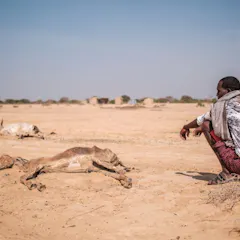
The ongoing humanitarian crisis raises serious questions about future food and water security in the Horn of Africa.
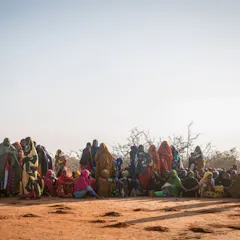
About 7.7 million Somalis need emergency aid right now.
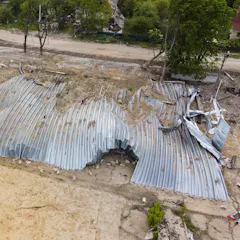
Countries have used starvation as a war strategy for centuries, historically without being prosecuted. Three experts on hunger and humanitarian relief call for holding perpetrators accountable.
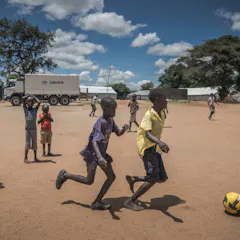
Refugee law puts humanitarianism above considerations of state sovereignty.
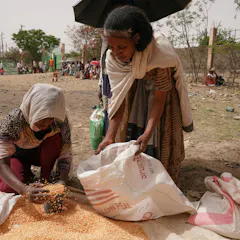
The origins of Ethiopia’s food crisis can be traced to a bitter feud between Eritrean and Tigrayan liberation fighters.
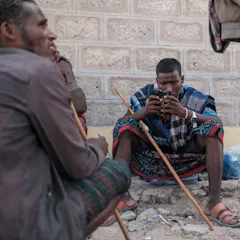
Our work highlights the potential of phone surveys to monitor active and large-scale conflicts.
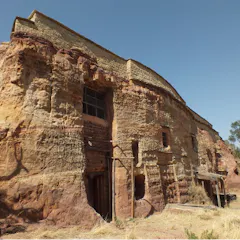
Heritage sites are sources of historical pride, indigenous knowledge and cultural identity.
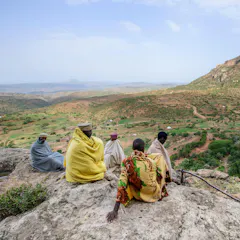
We used satellite imagery to track the decline of vegetation since the civil war began.
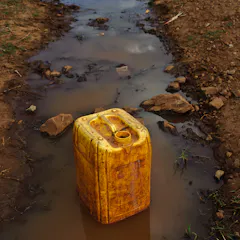
500 million people live in 19 African countries deemed “water insecure”.
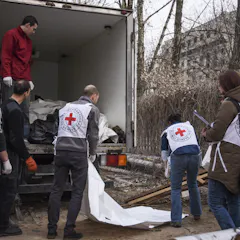
Nearly all of the 129 aid workers killed on the job in 2021 were from the countries where they lost their lives.
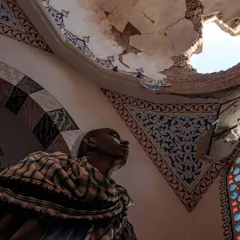
Many of the artefacts Ethiopia is famous for are found in Tigray. Their continued destruction could lead to irreversible culture shock and social collapse.
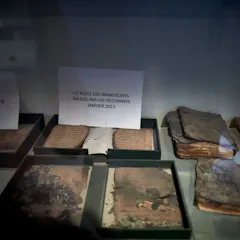
Protecting the continent’s historical artefacts requires political will from governments – and a reawakening of cultural conscience among Africans.

Mental health problems are major indirect consequences of armed conflicts and can have short-term and long-term effects on people.
Top contributors
-

Senior Lecturer of Political Science, Georgia Gwinnett College
-
Visiting Lecturer, University of Roehampton
-
Professor, Weber State University
-
Adjunct Professor and Ph.D. Fellow, Center for Constitutional Democracy, Indiana University
-
Professor Emeritus in Global Health & Humanitarian Affairs, University of Manchester
-
PhD candidate, University of the Pacific
-
Associate Professor, Khalifa University
-
Professor of Geography, Ghent University
-
Professor of Sociology and Global and Africana Studies, University of Tennessee
-
Researcher, Ghent University; Oregon State University
-
Senior Research Fellow, Horn of Africa and Southern Africa, Institute of Commonwealth Studies, School of Advanced Study, University of London
-
Professor of International Relations, Norwegian University of Life Sciences
-
Lecturer and Senior Research Fellow at the South African Research Chair in International Law (SARCIL), University of Johannesburg
-
Visiting Adjunct Professor, School of Governance, University of the Witwatersrand
-
CGIAR