
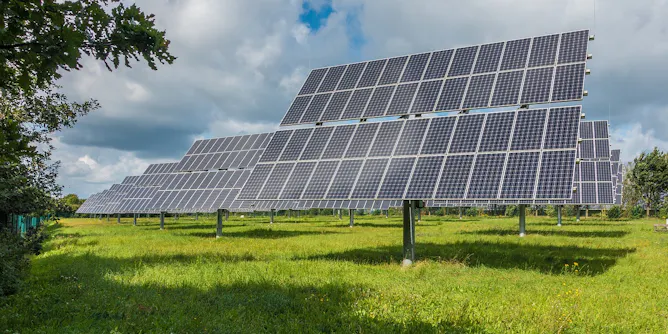
Africa is rapidly expanding electricity generation, but new research shows energy planning must also account for water scarcity and carbon dioxide emissions.
Articles on Climate solutions
Displaying 21 - 40 of 159 articles
A new continent-wide map is helping identify where Africa’s groundwater can support drinking water and irrigation. Monitoring boreholes tracks aquifer health.
As food and living costs rise, rooftop solar and rainwater harvesting could help low income South African households save money and buy more food.

Climate change is threatening sheep farming in South Africa’s Drakensberg. Farmers are adapting but need mountain infrastructure, better climate warnings and vets.
Nature-based solutions like mangrove restoration are key to climate action, but weak monitoring can overstate carbon storage, creating ‘ghost carbon’.

Mauritius is securing climate funding, but weak oversight and poor coordination risk leaving vital adaptation money mismanaged.

AI tools for farming can play a role. But they need to be properly tailored for African and developing nations’ context.

Ethiopian communities are cheaply filling destructive gullies with soil, stones and branches and replanting them to stop erosion and restore farmland.
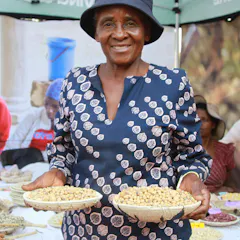
As climate crises deepen, Africa must turn its hard-won experience and local knowledge into global leadership on climate, health, food systems and clean energy.
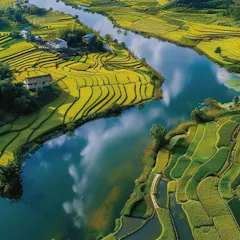
There are ways to reduce emissions without sacrificing yield. A new study shows how, and looks at a technique billed as ‘climate-friendly’ that makes emissions worse.
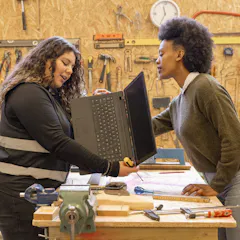
Circular economies don’t follow the ‘take, make and dispose’ model but try to keep products in use for as long as possible by reusing and recycling them.
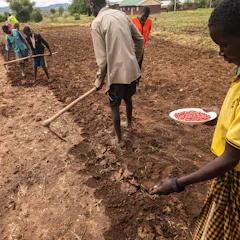
Figuring out how climate change will cause plant disease and pests to spread across Africa’s Great Lakes farms is critical for future food supplies.
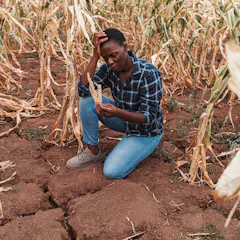
Extreme heat is a huge threat to health, work and food security across southern Africa.

Climate risk assessments guide how much funding is available to support climate impacts and need to work out which women are worst affected.
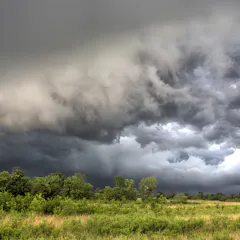
Don’t blame the weatherman. A meteorologist explains where your local weather forecasts really come from, and what storm scientists are doing to bring them closer to home.
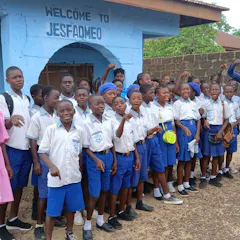
Young people in Bo City, Sierra Leone became youth climate leaders after turning a low-cost Climate Science Hub into a space for science-informed action.
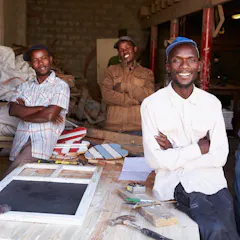
When up to 3.5 million small businesses go green, this will benefit South Africa’s environment and help the businesses survive in a changing climate.

Solar energy can cut costs and pollution for South African households, but fear of theft holds people back. Shared mini-grids offer a safer, affordable alternative.
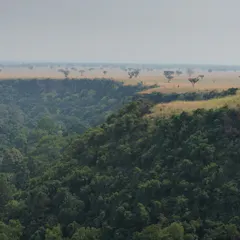
Carbon removal strategies may conflict with biodiversity conservation, but careful choices could bring benefits.
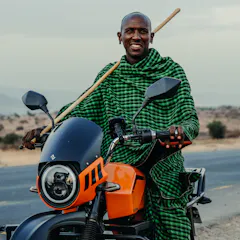
Research suggests a shift to electric mobility is technically and economically feasible.
Top contributors
-

Professor of Climate Change, Food Systems and Health and Director of The Lancet Countdown in Africa, London School of Hygiene & Tropical Medicine
-
Senior research officer: Climate Adaptation in the African Climate and Development Initiative (ACDI), University of Cape Town
-
Director of African Climate and Development Initiative, Professor in Environmental and Geographical Science, University of Cape Town
-
Senior Lecturer at Oyo State College of Agriculture and Technology, Igboora, Nigeria and Extraordinary Senior Lecturer at Indigenous Knowledge Systems Centre, North-West University, Mafikeng, South Africa, North-West University
-
Professor of Environmental Science, Rhodes University
-
Ass. Professor, University of Maryland Eastern Shore; North-West University
-
Researcher, Centre for Global Change, Walter Sisulu University
-
Adjunct Associate Professor of Population Health Sciences, University of Wisconsin-Madison
-
Professor of Environmental Medicine, University of Wisconsin-Madison
-
Professor Emeritus of Environmental and Occupational Health Sciences, University of Washington
-
Professor in Engineering, Stellenbosch University
-
Professor and Head of the Department of Geography, Geoinformatics & Meteorology, University of Pretoria
-
Researcher in Environmental Science, Rhodes University
-
Associate Professor of Climate Change, Technology and Policy, Carleton University
-
Professor of Policy Analysis, RAND School of Public Policy