
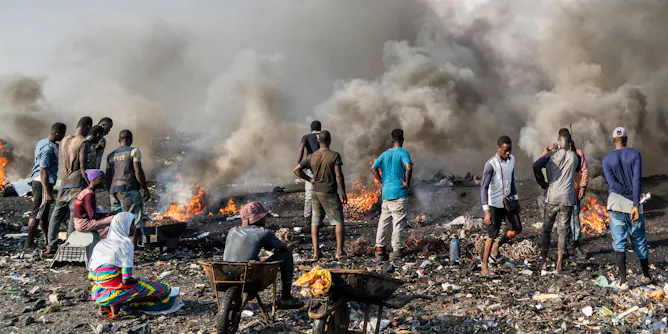
In Agbogbloshie, Ghana, thousands of young women and men burn electronic waste to extract minerals at a cost to their health. They need more protection.
Articles on Green transition
Displaying 21 - 40 of 153 articles
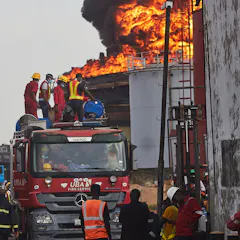
Wealthy nations will need to help fund clean energy, green industrial growth and mineral processing.
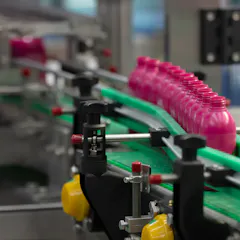
The solution is not to eliminate carbon from industry but to change where it comes from.

Security measures alone are insufficient to resolve resource governance challenges in the DRC.
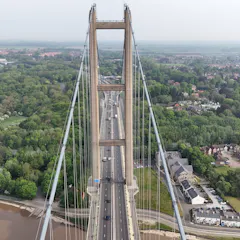
The Humber’s high output of clean energy could power direct air capture units and provide fossil-free CO₂.
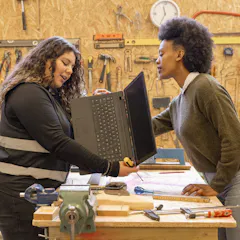
Circular economies don’t follow the ‘take, make and dispose’ model but try to keep products in use for as long as possible by reusing and recycling them.
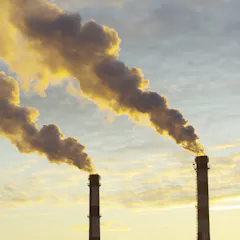
Some countries are calling for the elimination of a process known as “investor-state dispute settlement”.
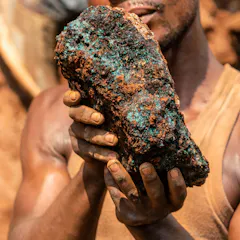
The rapid expansion of critical mineral extraction is trading away human and ecological well-being for technological breakthroughs. There are ways to fix this.
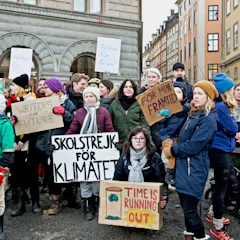
The ban prevents future fossil fuel production in Sweden – but that’s just the start.
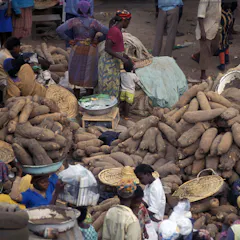
Communities affected by mining project delays live in a state of suspended time for three years.

Solar energy can cut costs and pollution for South African households, but fear of theft holds people back. Shared mini-grids offer a safer, affordable alternative.
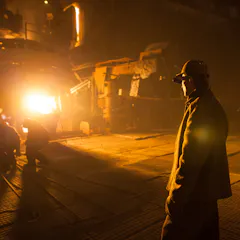
Recycling more scrap steel sounds like a win-win for a greener industrial future – but there are complicating factors.

In eastern DRC, a hydropower mini-grid shows how access to electricity happens through public-private partnerships and community programmes.
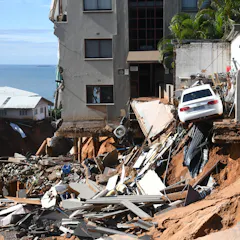
South Africa needs almost US$15 billion over a decade just to reach a basic level of climate adaptation, that protects water, food, health and infrastructure.
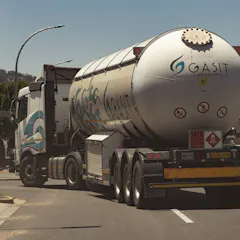
Gas from Mozambique is running out, leaving South African industry facing a supply crisis. Imported propane gas could offer a workable solution.
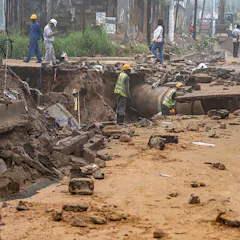
The most important thing to do is to lower the cost of capital for African countries.

Africa doesn’t need a technological breakthrough to scale EV adoption. It needs cheaper capital and supportive policy environments.
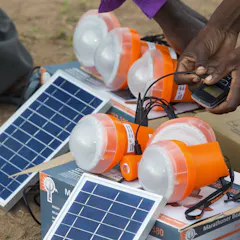
Some women in Zimbabwe are being left behind in the move to green energy because they can’t afford solar systems that can power electric stoves.
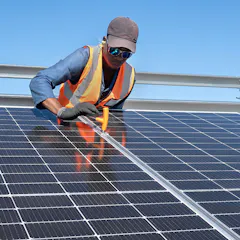
A just transition to a green economy with broad growth in employment will require deliberate efforts.
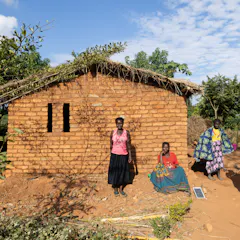
Even small solar devices that can power phone chargers and lights have made a difference in rural Malawi. Now, bigger and better solar systems are needed.
Top contributors
-

Professor in Mechanical and Mechatronic Engineering, Stellenbosch University
-
Senior Lecturer, Africa Energy Leadership Centre, University of the Witwatersrand
-
Lecturer in Sustainability and Fellow of Indo Pacific Research Centre, Murdoch University
-
Professor of Economics, University of Pretoria
-
Visiting Adjunct Professor, African Energy Leadership Centre, Wits Business School, University of the Witwatersrand
-
Professor of Industrial Strategy & Regional Development, Co-Director Centre for Governance, Regions and Industrial Strategy (CGRIS), University of Bath
-
Researcher in Environmental Science, Rhodes University
-
Professor of Business Economics, University of Birmingham
-
Professor and Head of the Department of Geography, Geoinformatics & Meteorology, University of Pretoria
-
Director, Columbia Center on Sustainable Investment, Columbia University
-
Senior Research Associate, University of Johannesburg
-
Climateworks Centre Country Lead, Australia, Monash University
-
Research Specialist, Faculty of Economic and Management Sciences, University of Pretoria
-
Professor of Operations Management, University of Bristol; University of Bath
-
Professor and Director, Victoria Energy Policy Centre, Victoria University