
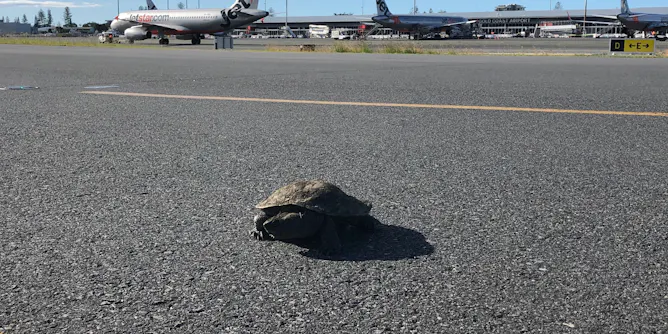
Turtles could spell trouble for Western Sydney Airport, which is being built in a wetland. But it’s not too late to include turtle-friendly infrastructure such as underpasses and fences.
Articles on Citizen science
Displaying 61 - 80 of 217 articles
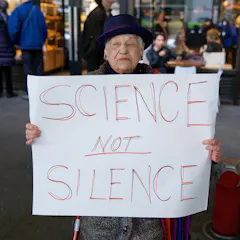
Mae gwyddoniaeth dinasyddion yn cynnig y posibilrwydd o wyddoniaeth i'r bobl, gan y bobl.
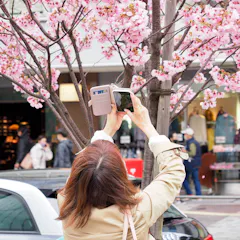
Publicly available data on social media opens a new avenue for studying the environment with “incidental citizen science”.
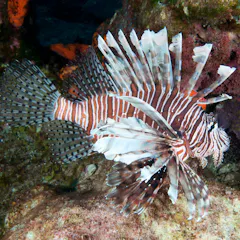
One of the most damaging invasive species in the oceans has breached a major barrier – the Amazon-Orinoco river plume – and is spreading along Brazil’s coast. Scientists are trying to catch up.

Citizen science offers the possibility of a science for the people, by the people. And it could be used to challenge the status quo.
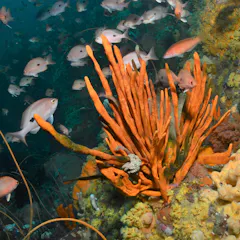
The first comprehensive audit of marine life around Australia, deploying an army of volunteer research divers alongside scientists, has revealed southern reefs are suffering the most.
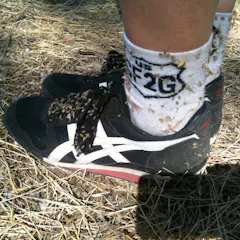
Invasive species cause billions of dollars in damage across the US every year. Hikers and backpackers can take simple steps to avoid spreading seeds and making the problem worse.

Almost 4,000 Australian plant species have never been photographed in the field, particularly in remote corners of the country. Without a proper record, they could die out without us even knowing.

Children and teenagers can add to our knowledge of the natural world through citizen science projects.
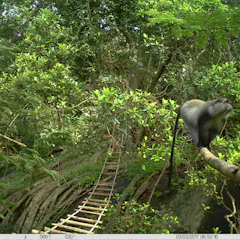
Researchers encourage citizen scientists to contribute to datasets on animal deaths caused by infrastructure. This will inform efforts to reduce the human impact on biodiversity.

Mary Anning, Thomas Bopp and Ben Bacon are just a few of the nonprofessionals who pushed the frontiers of science.

With the help of thousands of citizen scientists, a new study measured exactly how much brighter night skies are getting every year.
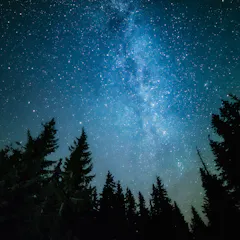
People travel hundreds or thousands of miles and spend a fortune to see the night sky in all its splendor. But we are literally blocking out the cosmic beauty above our homes.
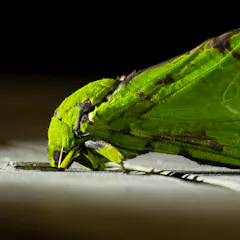
There would be no life on Earth without invertebrates, but they are understudied and underappreciated. The Bug of the Year competition aims to change that, so have your say and vote!
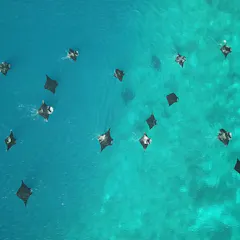
Our new, world-first research provides strong evidence of a significant increase in reef manta rays in protected areas of Raja Ampat over a decade.
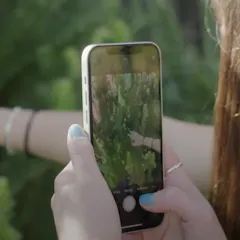
It’s important that citizen science projects engage volunteers from across society, including young people. A new Australian initiative is doing just that.

If Twitter were to go dark, with it would go a valuable source of data as well as a means of sharing information relied on by activists, journalists, public health officials and scientists.
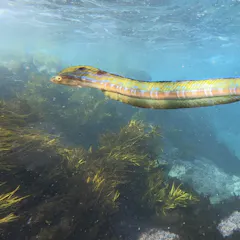
The photographs show how climate change is disrupting our marine ecosystems – sometimes in ways previously unknown to marine scientists.
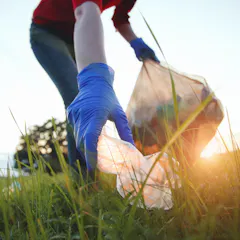
Making it easier for people to refill containers is key to slowing the tide of packaging waste.
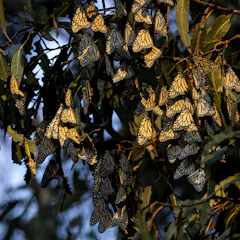
The iconic monarch butterfly has been added to the Red List of endangered species, but hasn’t received protection in the US yet. That’s not necessarily a bad thing.
Top contributors
-

Curator, Amphibian & Reptile Conservation Biology, Australian Museum, UNSW
-
Professor of Science Communication and Chemistry, University of Hull
-
Lecturer, School of Life and Environmental Sciences, University of Sydney
-
Sector Lead, Atlas of Living Australia, CSIRO
-
Dean Students, College of Health, Adelaide University
-
Associate Professor in Ecology and Evolution, UNSW
-
Associate Professor, Animal Anatomy and Physiology, Charles Sturt University
-
Adjunct Fellow, Institute for Sustainable Futures, University of Technology Sydney
-
Research Fellow at the University of Sydney, University of Sydney
-
Clinical Associate Professor, School of Medical Science & Sydney Infectious Diseases Institute; Principal Hospital Scientist, University of Sydney
-
Postdoctoral Fellow, Evolution & Ecology Research Centre, UNSW Sydney, UNSW
-
Associate Professor in Biology, Zoology and Animal Science, Western Sydney University
-
Associate Teaching Professor of Meteorology and Atmospheric Science and Manager of the Joel N. Myers Weather Center, Penn State
-
Honorary Fellow, Space and Astronomy, CSIRO; Western Sydney University
-
Chair of ARC Centre of Excellence for Quantum Biotechnology, The University of Queensland