
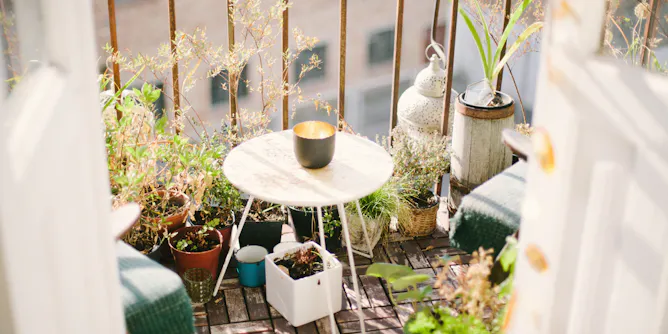
A behavioural science expert, a botanist, an environment media expert and an entomologist suggest ways to connect with nature in your garden.
Articles on Citizen science
Displaying 121 - 140 of 217 articles
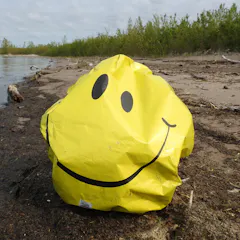
Releasing balloons at weddings and other celebrations is festive, until they break into pieces and become plastic pollution. A citizen science project is spotlighting the problem.
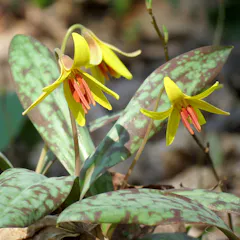
Climate change has advanced the arrival of spring by as much as several weeks in some parts of the US. This can mean major crop losses and disconnects between species that need each other to thrive.
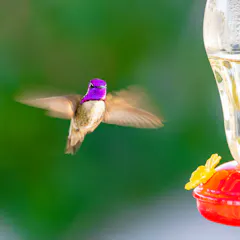
Millions of Americans feed wild birds, especially in winter and spring. Studies show that this can influence birds’ health and behavior in surprising ways.
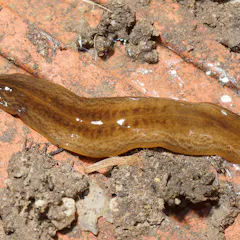
The predatory flatworm Obama nungara travelled in potted plants from Argentina to Europe, where it’s distrupting soil ecosystems. Now, citizen-scientists are helping map their distribution.
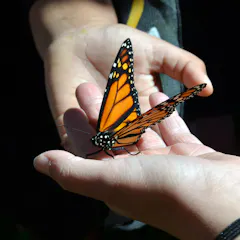
Citizen scientists across North America have contributed over 1 million observations to this online platform, generating data useful for researchers.

Nuisance-biting and mosquito-borne disease are ongoing concerns for health authorities. But an effective citizen science program is now showing how all of us can help beat the bite of mozzies.
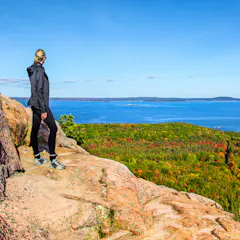
To untangle the relationship between climate change, fall foliage and national park visitors, researchers are asking tourists to check their old photo albums for snapshots that could hold valuable data.
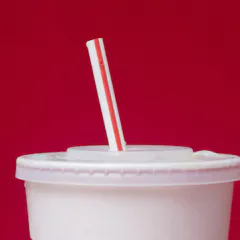
Governments need better information on which types of plastic generate the most pollution — citizens can help.
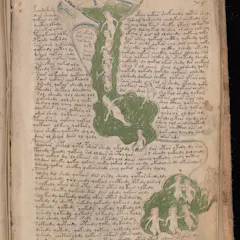
The Voynich Manuscript has researchers, the media, and the public hooked. But pseudo-explanations for the book’s ‘code’ reveals a serious problem with society’s relationship with science.
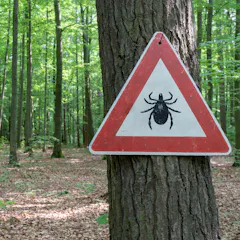
If you are bitten by a tick, you need to find out what species it was, fast. A research team has developed a website to help people in Quebec, Ontario and New Brunswick do just that.

A collection of millions of bird sightings has identified the best places to invest in conservation.
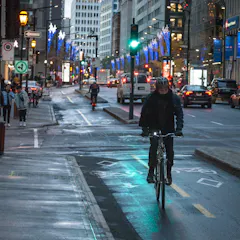
Volunteers can contribute data to maps that help cyclists choose their routes and let planners know how city cycling can be improved.
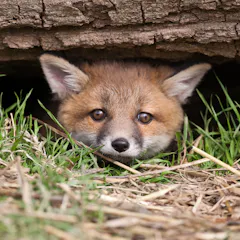
Camera traps allow citizen scientists to peek into the hidden lives of Britain’s mammals.

Urban pollutants are a health concern in growing cities. Scientists are turning to honey bees to help monitor contaminants in soil, water, air and plants.
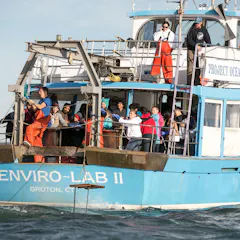
For decades, New England students took field trips out into the Long Island Sound. Their data show how quickly the sound is warming, leading to fewer American lobster, rock crab and winter flounder.
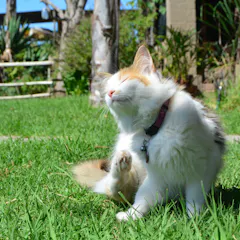
By finding out more about the cat flea, researchers could maybe identify better pest control measures.
Citizens can be recruited in addressing data deficits.
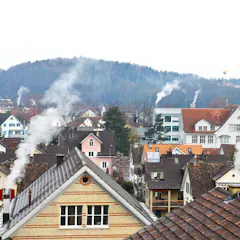
The smoke from wood-burning stoves and fireplaces contributes to air pollution and poor health.
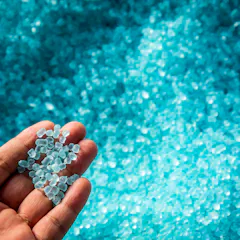
Nurdles are a raw feedstock used to make most of the plastic products we use everyday, but they’re flooding the ocean as “mermaid tears”.
Top contributors
-

Curator, Amphibian & Reptile Conservation Biology, Australian Museum, UNSW
-
Professor of Science Communication and Chemistry, University of Hull
-
Lecturer, School of Life and Environmental Sciences, University of Sydney
-
Sector Lead, Atlas of Living Australia, CSIRO
-
Dean Students, College of Health, Adelaide University
-
Associate Professor in Ecology and Evolution, UNSW
-
Associate Professor, Animal Anatomy and Physiology, Charles Sturt University
-
Adjunct Fellow, Institute for Sustainable Futures, University of Technology Sydney
-
Research Fellow at the University of Sydney, University of Sydney
-
Clinical Associate Professor, School of Medical Science & Sydney Infectious Diseases Institute; Principal Hospital Scientist, University of Sydney
-
Postdoctoral Fellow, Evolution & Ecology Research Centre, UNSW Sydney, UNSW
-
Associate Professor in Biology, Zoology and Animal Science, Western Sydney University
-
Associate Teaching Professor of Meteorology and Atmospheric Science and Manager of the Joel N. Myers Weather Center, Penn State
-
Honorary Fellow, Space and Astronomy, CSIRO; Western Sydney University
-
Chair of ARC Centre of Excellence for Quantum Biotechnology, The University of Queensland