

The term “citizen science” is intended to widen the network of people whose contribution to science is acknowledged. But the word “citizen” can be problematic.
Articles on Citizen science
Displaying 101 - 120 of 217 articles
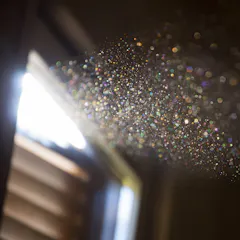
We analysed the dust in 32 homes across Sydney, and found significant levels of microplastics. But having hard, non-varnished floors and vacuuming at least weekly might help.

Emotion recognition technology raises questions about bias, privacy and mass surveillance.

The environmental, cultural and scientific sensitivity of some sites, and rarity of some fossils, means amateur fossil collecting comes with huge risks.
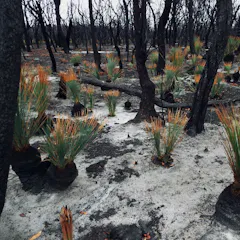
Community scientists have been photographing animals and plants in the months after the Black Summer fires. Each observation is a story of survival against the odds, or of tragedy.
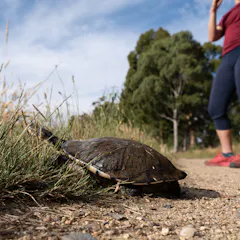
Plus, researchers recommend four environmental citizen programs to join. It’s never been easier.
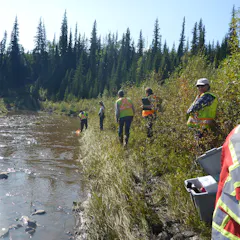
In Canada, watersheds are vast and often inaccessible, making it difficult to monitor the health of these ecosystems. A new tool helps communities collect data to assess the state of Canada’s rivers.
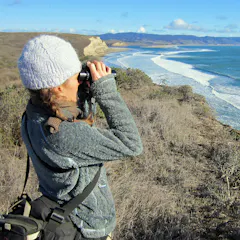
COVID-19 kept many scientists from doing field research in 2020, which means that important records will have data gaps. But volunteers are helping to plug some of those holes.
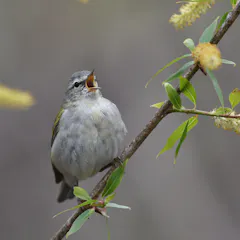
Cities are danger zones for migrating birds, but there are ways to help feathered visitors pass through more safely

Archaeologists used to dig primarily at sites that were easy to find thanks to obvious visual clues. But technology – and listening to local people – plays a much bigger role now.
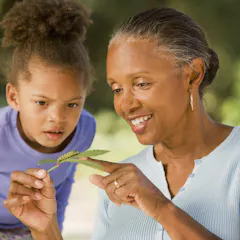
Insects are plentiful and inexpensive. Even when children aren’t attending school in person, they can learn from the encounters they have with insects outside.
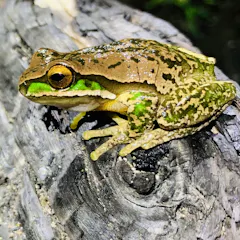
Some 45 frog species, included some rare and threatened, were recorded calling after the fires.
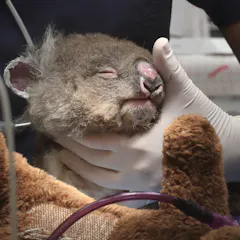
Ahead of National Science Week, Chief Scientist Alan Finkel reflects on the growing value of citizen science, emphasising the need for more collaboration as we deal with an evolving climate.
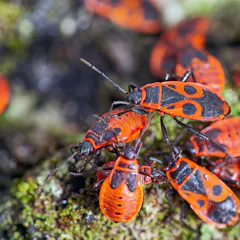
Entomologists worried about invasive pests have thousands of curious community scientists posting their findings online — and identifying new species.
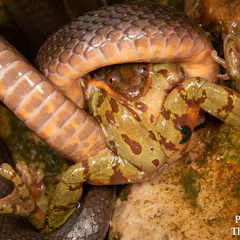
CC BY-NC-ND7.04 MB (download)
Facebook groups exist to share information about most classes of animals and plants, and these communities have unprecedented observational power.
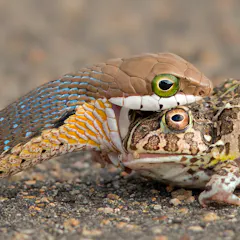
Social media has proved to be a helpful source of observations of snakes feeding. Knowing more about their diet is useful because it’s linked to their venom biochemistry.
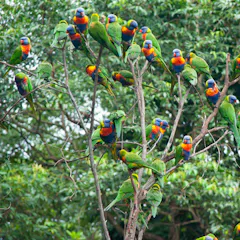
In April, BirdLife Australia survey numbers jumped to 2,242. That’s a tenfold increase from 241 in April last year.
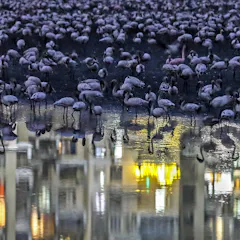
Citizen scientists have helped researchers track the changing environment during the pandemic.

Rare left-coiled shells in garden snails turn out to be a developmental accident not an inherited trait.

As scientists frantically try to find drugs to slow COVID-19’s spread, citizen science offers an opportunity for all of us to get involved.
Top contributors
-

Curator, Amphibian & Reptile Conservation Biology, Australian Museum, UNSW
-
Professor of Science Communication and Chemistry, University of Hull
-
Lecturer, School of Life and Environmental Sciences, University of Sydney
-
Sector Lead, Atlas of Living Australia, CSIRO
-
Dean Students, College of Health, Adelaide University
-
Associate Professor in Ecology and Evolution, UNSW
-
Associate Professor, Animal Anatomy and Physiology, Charles Sturt University
-
Adjunct Fellow, Institute for Sustainable Futures, University of Technology Sydney
-
Research Fellow at the University of Sydney, University of Sydney
-
Clinical Associate Professor, School of Medical Science & Sydney Infectious Diseases Institute; Principal Hospital Scientist, University of Sydney
-
Postdoctoral Fellow, Evolution & Ecology Research Centre, UNSW Sydney, UNSW
-
Associate Professor in Biology, Zoology and Animal Science, Western Sydney University
-
Associate Teaching Professor of Meteorology and Atmospheric Science and Manager of the Joel N. Myers Weather Center, Penn State
-
Honorary Fellow, Space and Astronomy, CSIRO; Western Sydney University
-
Chair of ARC Centre of Excellence for Quantum Biotechnology, The University of Queensland