
Mapping the soil with open source application is vital to understanding how to protect it.
Articles on Citizen science
Displaying 161 - 180 of 217 articles
Science provides a useful way to explore and understand the natural world. But it also has a richness, diversity and creativity that is often overlooked.
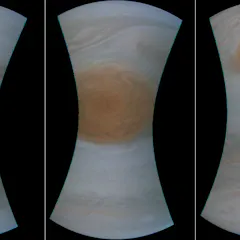
The images are in from the Juno probe’s closest flyby so far of Jupiter’s Great Red Spot. Citizen scientists are now getting involved in processing those images.
We can overcome the tyranny of inaccessible science hardware by building a movement for equity in science.
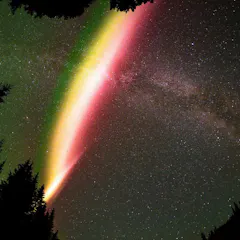
Scientists still don’t know what caused the mysterious phenomenon ‘Steve’.
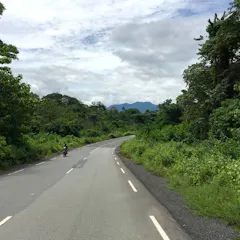
A time-series analysis of tree cover loss before, during and after road construction reveals a strong relationship between infrastructure development and accelerating deforestation.
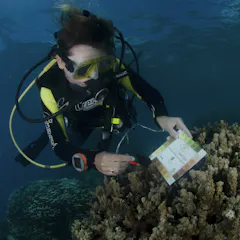
As the Great Barrier Reef suffers a second wave of mass bleaching, there is a way to get involved.

The impact of plant disease may be reduced if people are made aware of the many pathways for plant-killing microbes – and why preventing their spread matters to us all.
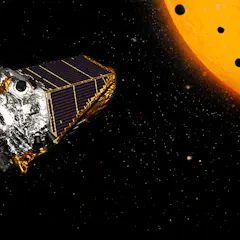
A Darwin mechanic’s success in the hunt for new exoplanets shows how amateur and professional scientists can work together on new research.
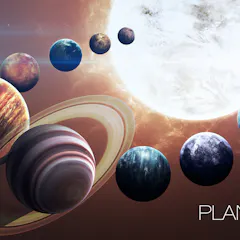
To help find Planet 9, you just need a computer and a little astronomy knowledge. Already, 120,000 images have been processed by citizen scientists in just 3 days.
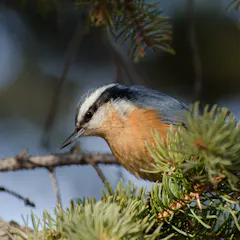
During bird irruptions, hundreds or thousands of a single species show up outside their normal territory. Most of what we know about irruptions comes from data collected by citizen scientists.
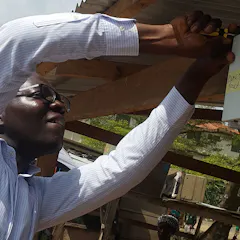
Citizens and activists are using cheap off-the-shelf sensors to collect their own data on air pollution. It’s a promising trend, but these devices have serious technical limitations.
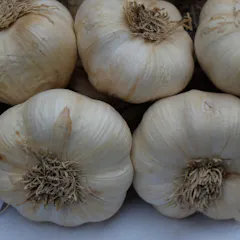
Here’s your chance to take part in a global science experiment.
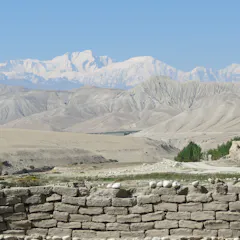
Remote mountain regions are closer to the climate problem than we think, particularly in the context of safeguarding essential ecosystem services such as safe and adequate water.
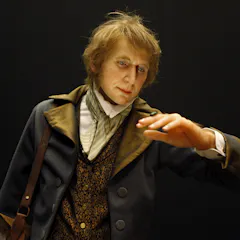
Humans have an innate interest and ability in naming biologically meaningful entities, or species. Taxonomy, then, vies for the title of world’s “oldest profession”.
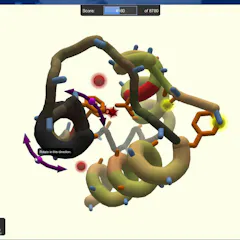
We recently set up a Foldit competition between gamers, undergraduate students and professional scientists. The winner might surprise you – and offer important possibilities for scientific research.
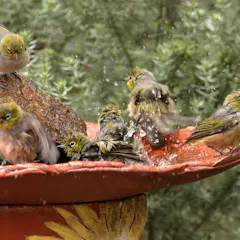
Bird baths are more than just ornamental splash pools. They’re also a site where animals socialise and intense rivalries play out. And bird bath design, location and cleanliness can have a big impact.
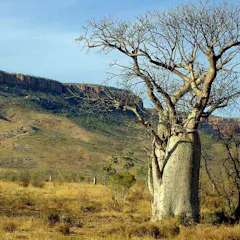
Scientists are calling for your help this National Science Week to identify Australian wildlife.

More and more Africans are becoming citizen scientists – and the benefits are huge both for them as individuals and for science on the continent.

This method of crowdsourcing science legwork is ready to expand into other disciplines – and maybe the amateurs themselves can start calling some of the shots.
Top contributors
-

Curator, Amphibian & Reptile Conservation Biology, Australian Museum, UNSW
-
Professor of Science Communication and Chemistry, University of Hull
-
Lecturer, School of Life and Environmental Sciences, University of Sydney
-
Sector Lead, Atlas of Living Australia, CSIRO
-
Dean Students, College of Health, Adelaide University
-
Associate Professor in Ecology and Evolution, UNSW
-
Associate Professor, Animal Anatomy and Physiology, Charles Sturt University
-
Adjunct Fellow, Institute for Sustainable Futures, University of Technology Sydney
-
Research Fellow at the University of Sydney, University of Sydney
-
Clinical Associate Professor, School of Medical Science & Sydney Infectious Diseases Institute; Principal Hospital Scientist, University of Sydney
-
Postdoctoral Fellow, Evolution & Ecology Research Centre, UNSW Sydney, UNSW
-
Associate Professor in Biology, Zoology and Animal Science, Western Sydney University
-
Associate Teaching Professor of Meteorology and Atmospheric Science and Manager of the Joel N. Myers Weather Center, Penn State
-
Honorary Fellow, Space and Astronomy, CSIRO; Western Sydney University
-
Chair of ARC Centre of Excellence for Quantum Biotechnology, The University of Queensland